Last updated November 22, 2026
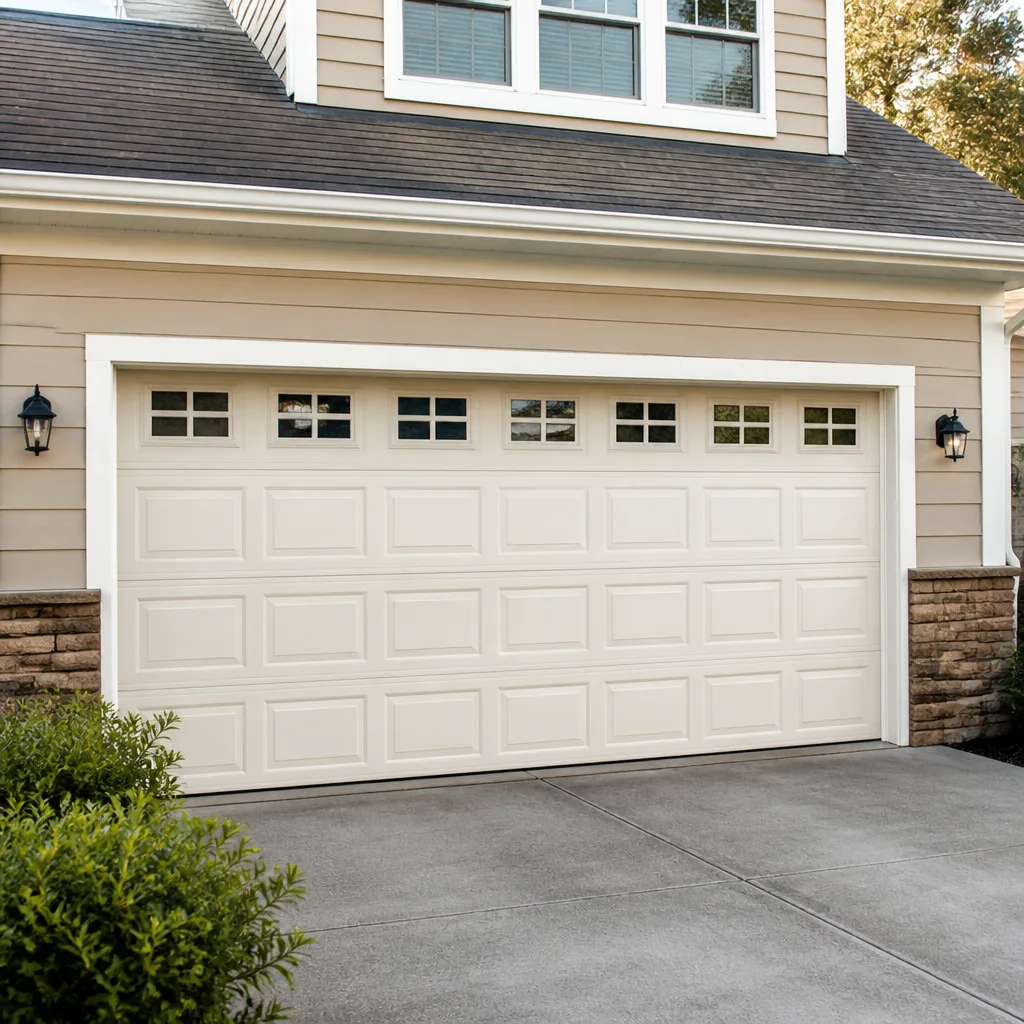 Raised-panel steel
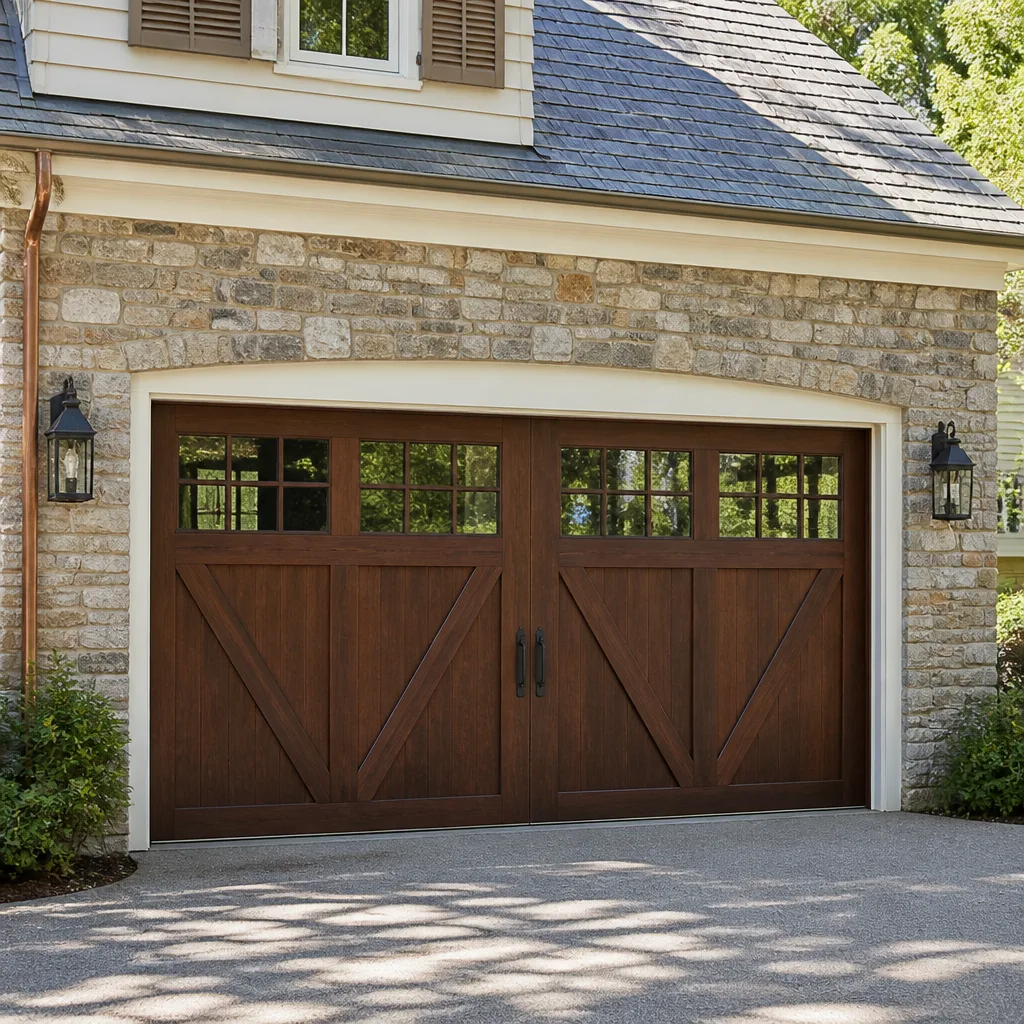 Carriage house
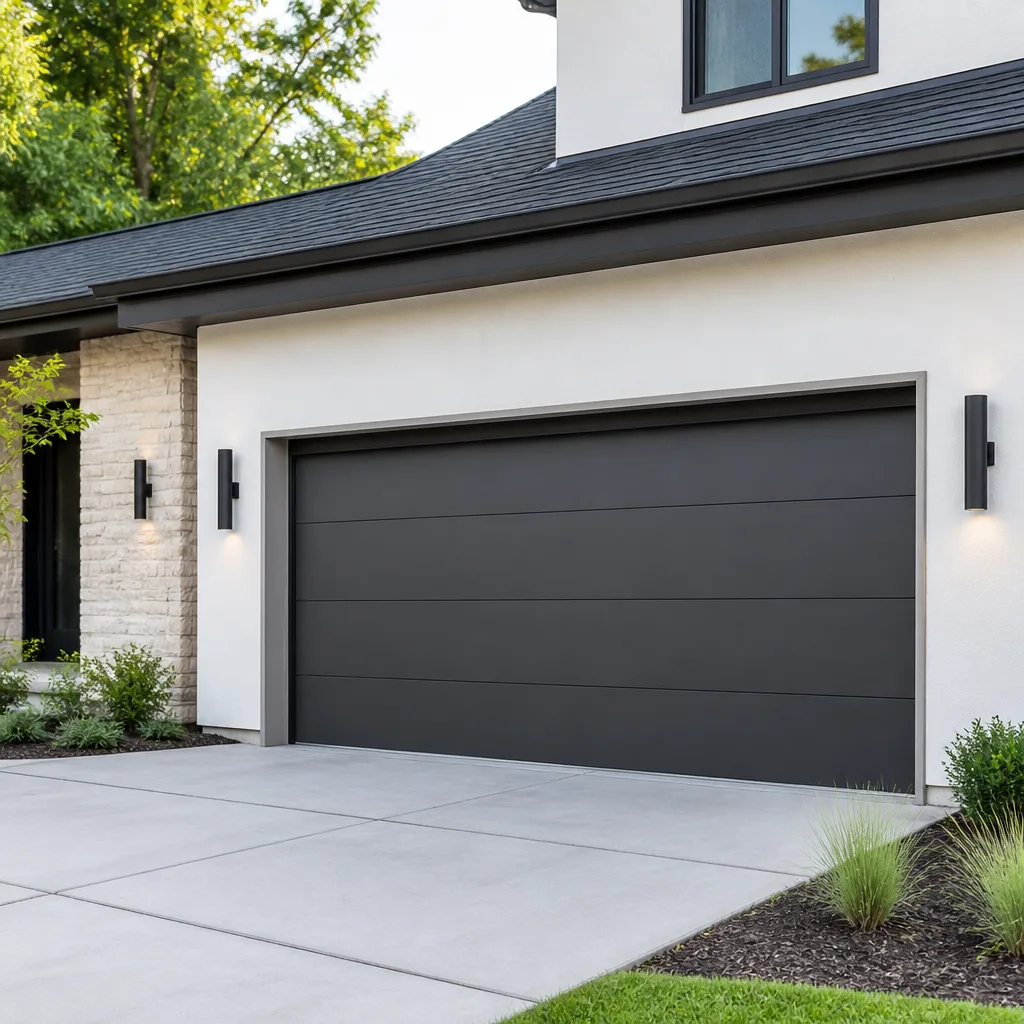 Modern flush
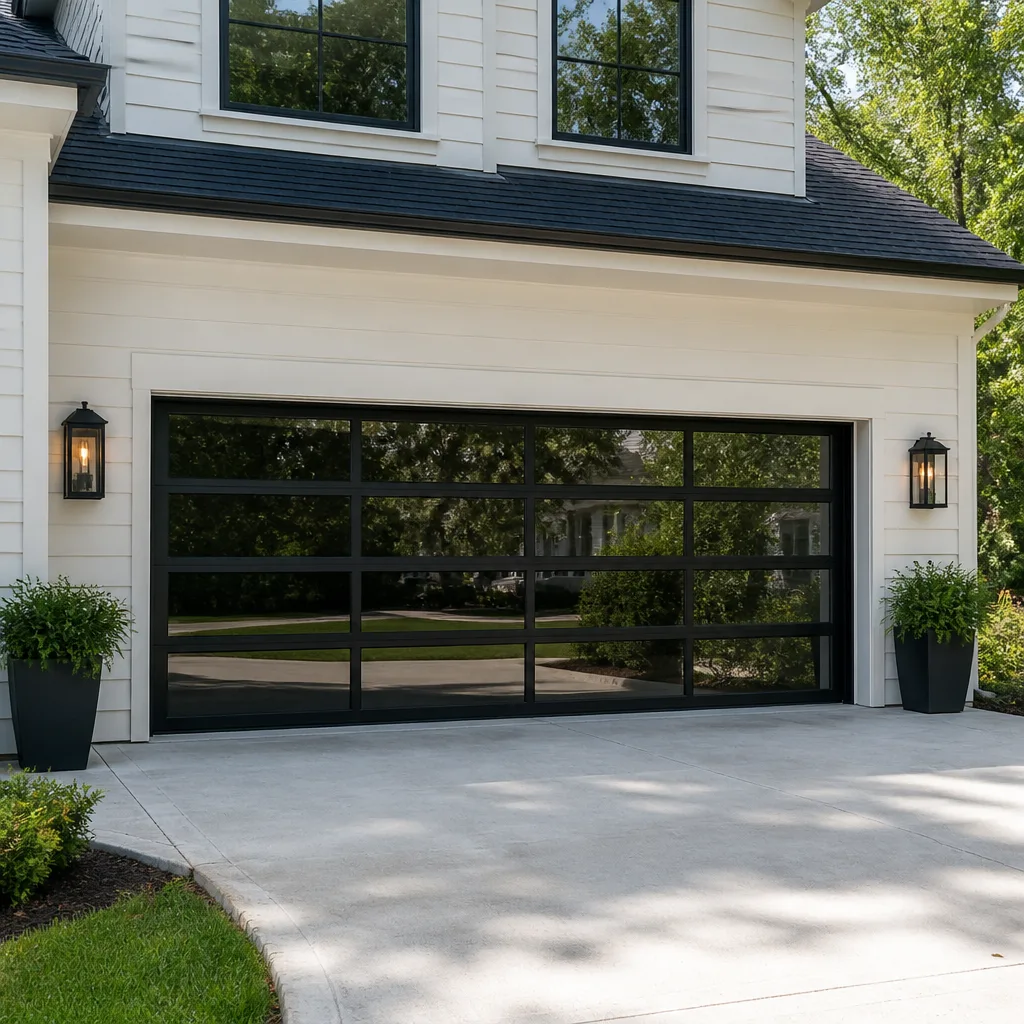 Full-view glass
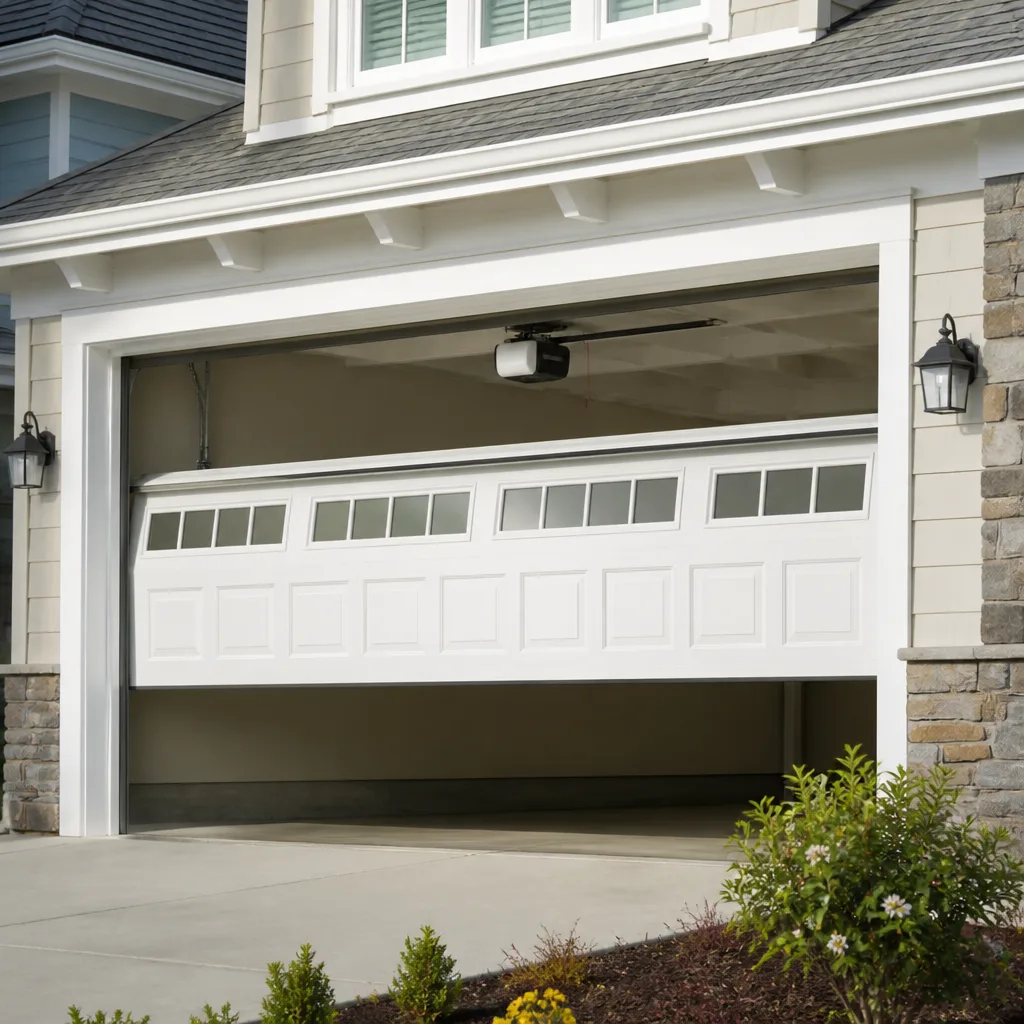 LiftMaster openers
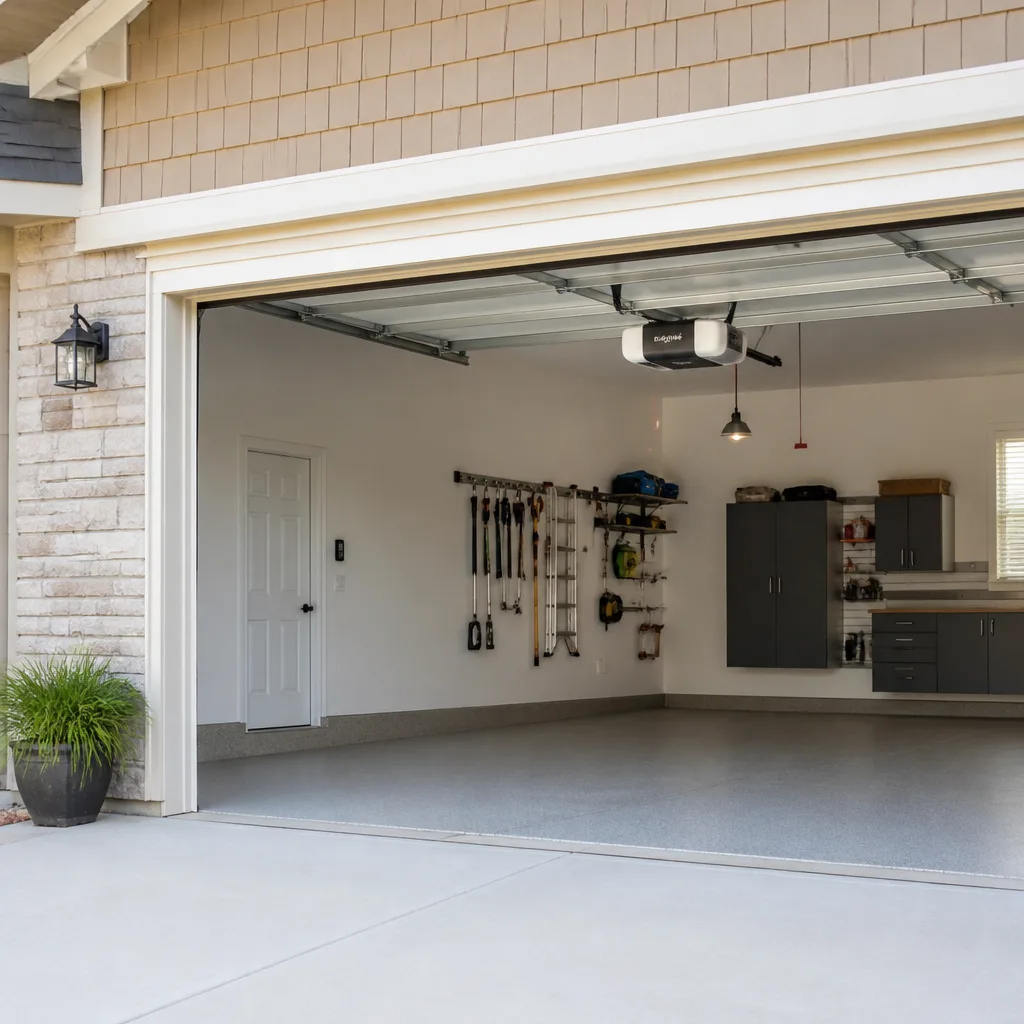 Chamberlain openers
Full 25-point door and opener safety check with every visit - springs, cables, rollers, tracks, and your LiftMaster or Chamberlain opener included
You get a price before we start. It does not change when the pro arrives.
Get your free estimateThe Complete Guide to Garage Doors in Orland Park
Most Orland Park homes were built during a fifteen-year window when a handful of builder-grade door systems dominated new construction. Those same doors and openers are hitting their natural end at roughly the same time, in the same subdivisions, which is why your neighbor’s door is groaning at the same pitch as yours. This guide maps every decision ahead of you, from the first creak to a full replacement, against the actual conditions of Orland Park: our freeze-thaw swings, our attached two-car garages, and the door systems that were put in them.
Quick Answer
A garage door in Orland Park usually needs repair rather than replacement unless the panels are rusted through, the door is past roughly twenty years old, or repeated failures point to a worn system rather than a single part. Springs, cables, rollers, and openers are the parts that fail first in our climate, and most are repairable. The decision comes down to the door’s age, panel condition, and how often you’ve called someone out.
Styles & brands we work with
- Raised-panel steel
- Carriage house
- Modern flush
- Full-view glass
- LiftMaster openers
- Chamberlain openers
Table of Contents
- What Orland Park’s Housing Stock Means for Your Door
- How Orland Park’s Climate Wears Out Garage Doors
- Repair, Tune-Up, or Replace: The Real Decision Criteria
- How to Read Your Door’s Label Before You Call Anyone
- Permits and HOA Rules Before You Swap a Door
- Springs and Cables: Why These Are Not DIY Jobs
- Opener Failures: What Breaks and Why
- What Garage Door Work Costs in Orland Park
What Orland Park’s Housing Stock Means for Your Door
Orland Park grew fast through the 1990s and 2000s. Whole subdivisions went up in a few years at a time, and builders installed the same few door and opener packages across hundreds of homes. Clopay and Amarr steel raised-panel doors were everywhere, usually paired with a builder-grade opener. That concentration matters to a homeowner today: the parts that wear on your door are the same parts wearing on the doors up and down your street, on almost the same schedule.
The typical Orland Park setup is an attached two-car garage with a single wide door or two single doors, steel construction, insulated or non-insulated depending on the build tier. Here’s what fails first and roughly when:
- Torsion or extension springs: the first major failure, usually somewhere past the ten-year mark depending on cycle count and how often the door runs.
- Nylon and steel rollers: bearings wear flat, and the door gets noisy and starts to drag before anything breaks.
- Hinges and bottom brackets: loosening and metal fatigue, especially on doors that see daily use from a family entering through the garage.
- Weather seals: the bottom seal cracks and hardens with our temperature swings, and the perimeter seal pulls away from the frame.
- Original openers: chain-drive builder units from that era reach the end of their motor and logic board life around the same point the springs do.
If your home went up in one of those developments, knowing the era tells you more about what to expect than any generic inspection checklist. The door isn’t failing because it’s bad. It’s failing because it’s done.
How Orland Park’s Climate Wears Out Garage Doors
Orland Park sits in a climate with hard freeze-thaw swings and wide humidity changes across the year. That combination is rough on garage doors in ways that milder regions never see. A steel door expands in summer heat and contracts in winter cold, and every one of those cycles works the fasteners, seals, and moving parts a little looser. Do this a few hundred times and the cumulative wear shows up in specific places.
What that means in practical terms:
- Springs cycle more than the calendar suggests. A door that runs four times a day, every day, in a household that uses the garage as the main entry point, racks up cycles far faster than a door used twice a week. Cycle count, not age, is what kills springs.
- Bottom seals crack early. The rubber or vinyl bottom seal on a builder door hardens with repeated freeze-thaw and stops sealing, which lets cold air, moisture, and pests in.
- Lubrication dries out faster in cold snaps, and dry hinges and rollers wear metal on metal.
- Wood and composite trim around the opening takes on moisture and swells, which can bind the door at the frame.
- Panel paint on older steel doors can blister or peel where moisture sits against the panel edges, and once bare steel is exposed it rusts.
None of this is dramatic. It’s steady. A door that’s been ignored for years in Orland Park usually needs more than one adjustment by the time it gets attention, and that’s the point at which a tune-up becomes a repair, and a repair sometimes becomes a replacement decision.
Repair, Tune-Up, or Replace: The Real Decision Criteria
Most Orland Park homeowners who call us worried about a big bill actually need a repair or a tune-up, not a new door. A full replacement is warranted in a narrower set of cases than the sales pitch would have you believe. Here’s how to tell the three apart without guessing.
A tune-up makes sense when:
- The door still moves smoothly but is noisy, squeaky, or slightly out of balance.
- The panels are in good shape and the hardware is intact.
- Nothing has actually broken yet, and you want to get ahead of it.
A repair makes sense when:
- A single component has failed: a spring, a cable, a roller, a hinge, the opener logic board, or the safety sensors.
- The door is structurally sound and the panels aren’t rusted through.
- The failure isn’t part of a pattern. One spring after a decade-plus of use is normal, not a sign the whole system is done.
Replacement makes sense when:
- Multiple panels are rusted through, dented beyond repair, or separating at the seams.
- The door is well past twenty years and has needed several major repairs in a short span.
- The springs, cables, rollers, hinges, and opener are all at end of life at the same time, so the total repair cost approaches the price of a new door.
- You want insulation, a different style, or a modern opener for reasons beyond function.
The honest rule: don’t replace a door to fix a failed spring, and don’t keep repairing a door that’s failing everywhere at once. The math is what decides it, not the salesperson.
How to Read Your Door’s Label Before You Call Anyone
Before you call anyone, walk out to your garage door and find the manufacturer’s label. It’s usually a sticker or metal plate on the inside of the door, near the bottom panel or on the side stile, sometimes on the top section. This single step saves time and often money, because it tells the technician exactly what they’re looking at.
Read the label in this order:
- Manufacturer name. Clopay, Amarr, Wayne Dalton, and Raynor are all common in Orland Park builds, and each brand has its own parts catalog and quirks.
- Model number and series. This is the code that determines which springs, rollers, and hinges are specified for your door.
- Serial number. Useful for parts lookup if the model has variants.
- Door size and weight. Sometimes on the label, sometimes stamped elsewhere. This determines the spring rating.
- Insulation or construction notes. Steel, steel-backed, insulated, or non-insulated, which affects weight and spring sizing.
Write down the manufacturer, model, and serial number on your phone and take a photo of the label. If you’re going to call someone for garage door repair, having those details means the technician can confirm parts availability before the visit instead of after. Some older builder models have substituted parts or discontinued components, and knowing upfront prevents a wasted trip. It also tells you whether you’re dealing with an original builder door or a replacement someone put in later.
Permits and HOA Rules Before You Swap a Door
If you’re replacing rather than repairing, check two things before you order anything: what the Village of Orland Park requires for a structural or appearance change on a garage door, and what your HOA’s architectural rules say. The first is a phone call to the village’s building department. The second is a call to your HOA board or management company.
- Permits: many municipalities require a permit for replacing a garage door or altering the opening. Ask the Village of Orland Park’s building department directly, describe the work, and get their answer in writing if you can. Requirements change, and the permit office is the only source that’s authoritative.
- HOA architectural approval: many Orland Park subdivisions have rules about door color, panel style, window inserts, and materials. Some require approval before installation. If you install the wrong style, they can require you to replace it. Get approval first.
- Covenant restrictions on style: even where the HOA doesn’t require approval, covenants might restrict the look. Common restrictions cover carriage-house styles, window placement, and color palettes.
For a repair, permits are rarely involved unless the work crosses into structural changes. For a replacement, ask first, order second. It’s a five-minute call that saves weeks of headaches.
Springs and Cables: Why These Are Not DIY Jobs
The torsion spring above your door, and the extension springs on some older doors, hold the entire weight of the door under extreme tension. A torsion spring is wound to hold hundreds of pounds and stays under load even when the door is down. When a spring fails, it fails suddenly and violently. Cables are under the same tension and can whip and cut when they snap.
These are genuinely dangerous components, not just awkward ones. Adjusting, winding, or releasing a torsion spring requires specific tools and training, and an injury from a failing spring or cable is serious. We strongly recommend for any spring or cable work, and this is why garage door spring repair is its own service for us, not a reluctant add-on. Trained handling is the whole point. What you can safely do yourself is the walk-around check:
- Look at the springs when the door is down. A visible gap in a torsion spring, or an extension spring that’s stretched or has come loose from its hook, means the spring has failed or is about to.
- Listen. A loud bang from the garage, followed by a door that won’t lift, usually means a spring just broke.
- Check the cables. Frayed strands, slack cables, or cables hanging off the drum are a stop-now issue. Don’t run the door.
- Test the balance (only if the door moves freely): lift the door by hand to about half height and let go. It should hold roughly in place. If it drops or rises on its own, the springs are out of balance.
- Stop and call. Anything you find in steps one to three means stop operating the door and have a trained technician handle it.
Opener Failures: What Breaks and Why
Orland Park openers fail in a predictable sequence. The original builder-grade units from the 1990s and early 2000s were reliable for their era but weren’t built for thirty years of daily use, and the same units were installed across the same neighborhoods. When your opener quits, it’s usually one of a few known failure points rather than a mystery.
Common failure points:
- Logic board: the control board is the most common failure on older openers, and a power surge or a dying capacitor can take it out.
- Drive gear or belt: on chain-drive units, the gear wears and the opener strains; belt-drive units can develop slack.
- Safety sensors: the photo-eye sensors at the bottom of the door get misaligned, dirty, or fail, and the door refuses to close or reverses immediately.
- Limit switches: the door travels too far or stops short, which is usually a limit adjustment or a failing switch.
- Remote and wall control pairing: older units lose pairing, and on legacy systems the fix is often a board or receiver rather than the remote.
Modern replacements from LiftMaster and Chamberlain, with their myQ smart-home compatibility, are the common upgrade when an old unit keeps failing. We service those systems as well as legacy Craftsman and Genie units. If you’re weighing a repair, garage door opener repair is often cheaper than replacement, but only when the logic board and drive are still healthy. Our technicians have up to 8 years of experience on these systems and can tell you honestly which side of that line you’re on.
What Garage Door Work Costs in Orland Park
Garage door pricing in Orland Park varies with the job. The ranges below are typical estimates, not quotes, and the written estimate you get after we see the door is the number that counts. Nothing gets started until the price is agreed in writing.
- Spring repair (one spring): typically estimated per spring. If you have a matched pair, both are usually replaced together, so a pair costs about twice the single-spring range.
- Cable replacement: priced per cable and side, usually as a pair when both are worn.
- Roller and hinge replacement: priced per unit or as a full set.
- Opener repair: logic board, sensors, drive gear, and limit switches are each quoted separately.
- Opener replacement: unit price plus installation, with the brand and drive type determining the range.
- New door installation: door price, hardware, removal of the old door, and any trim work, quoted as one written estimate after a measure.
Two things matter more than the rough ranges. First, the estimate is free and written, and the number in it is the number you pay unless you approve a change. Second, an installation is not a same-day job. A new door has to be measured and ordered, and availability depends on the model and options. What we can promise is that the price is quoted and agreed before any work starts. Call (855) 658-4224 for a free estimate on any of the work above.
Common Mistakes to Avoid
- Calling a general handyman for spring or cable work. The tension in a torsion spring is a trained-technician job, and the wrong approach can turn a repair into an injury.
- Replacing a door to fix a single failed part. A broken spring is not a reason to buy a new door. Repair the part and keep the door.
- Ignoring the make and model before calling. Orland Park has a lot of original builder doors, and knowing the brand and model on the label speeds up parts lookup and avoids a second trip.
- Skipping the HOA approval on a style change. An unapproved door style in an Orland Park subdivision can be required to come back off, at your expense.
- Assuming a permit is never needed. Ask the Village of Orland Park’s building department directly before a replacement; rules change, and the office is the source.
- Running the door on a frayed or slack cable. A failing cable can whip, and the safe move is to stop operating the door and call.
- Choosing the cheapest opener replacement without checking compatibility. Smart-home features, safety sensors, and remote pairing work differently across brands, and a mismatched system costs more later.
See the difference
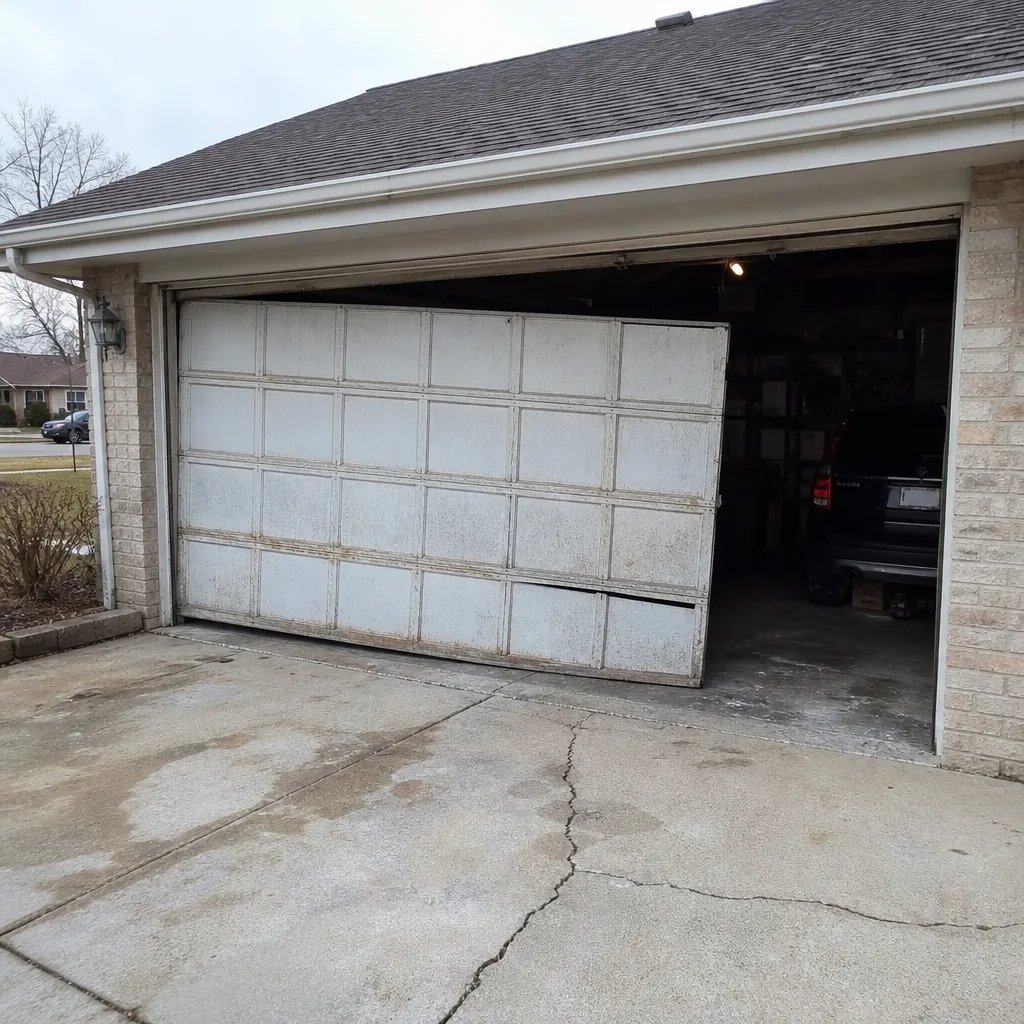 Before
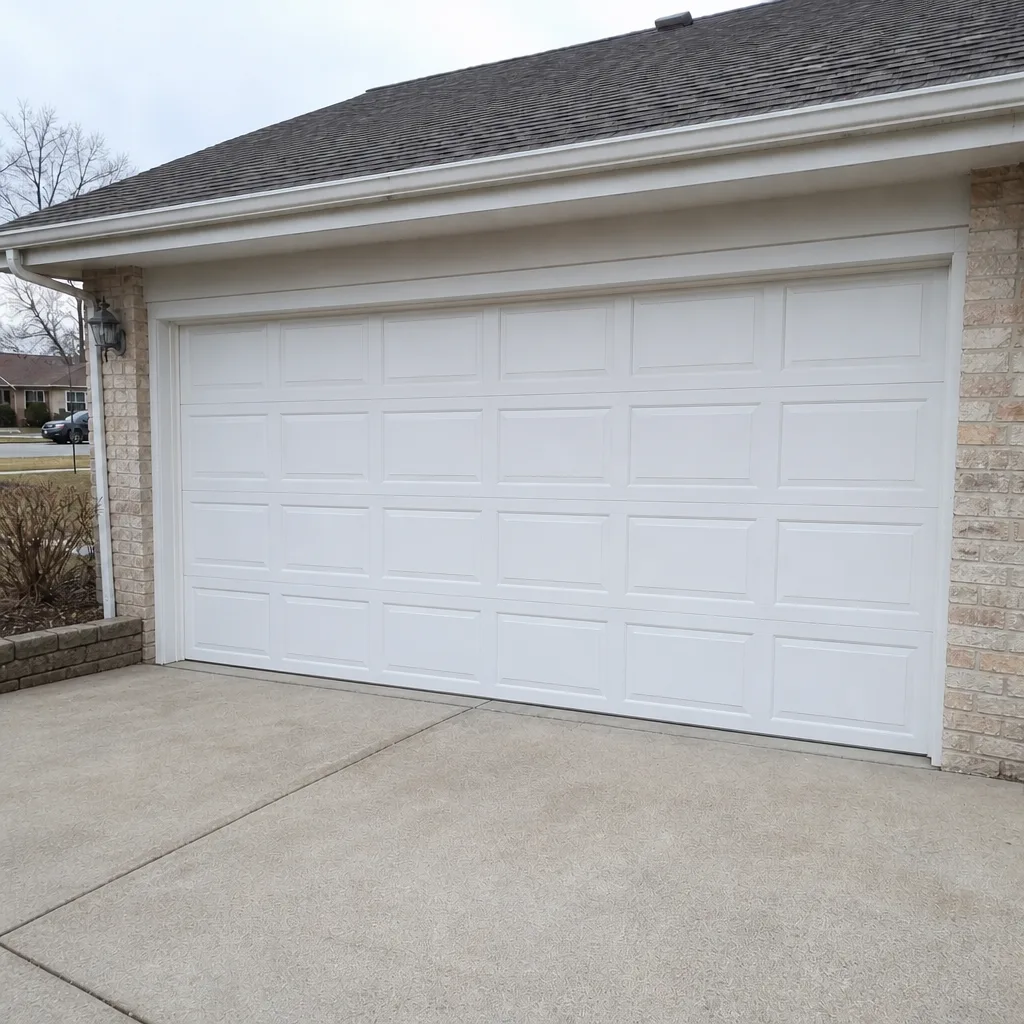 After
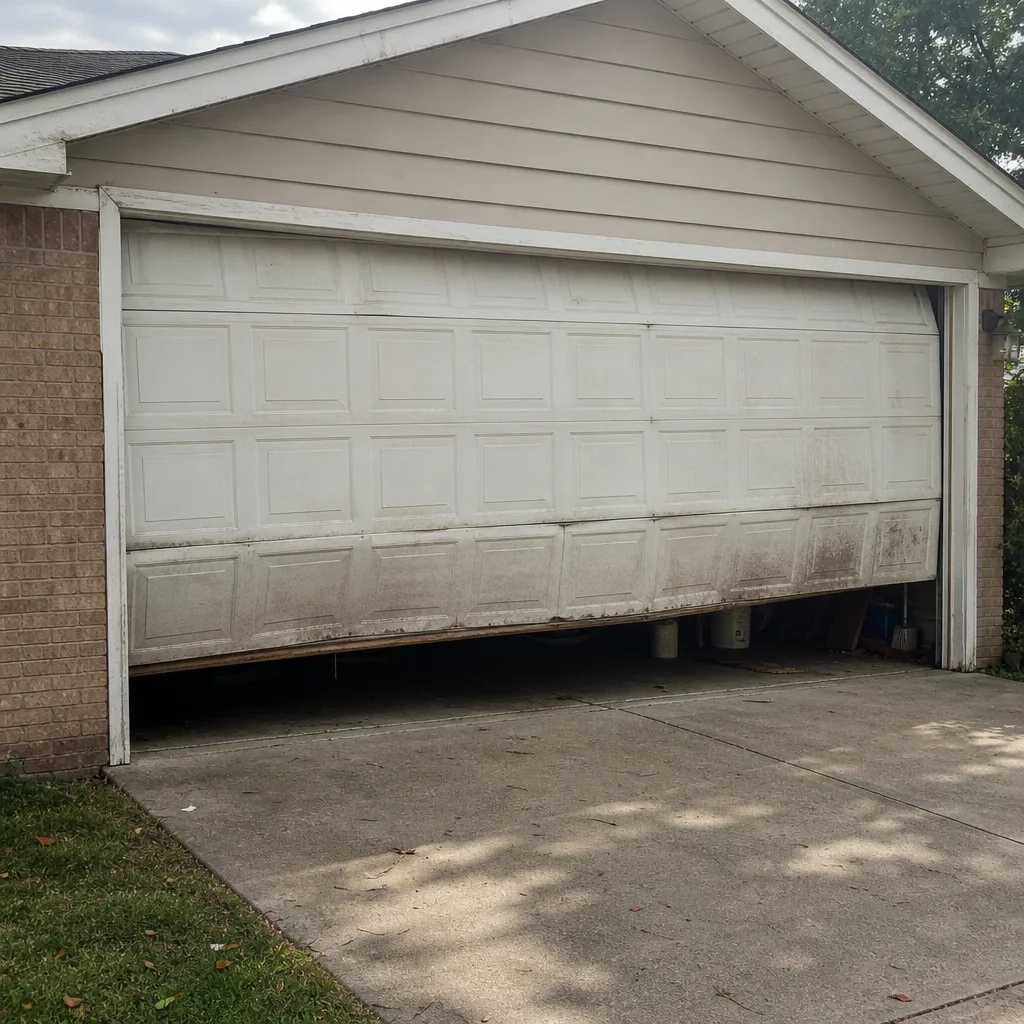 Before
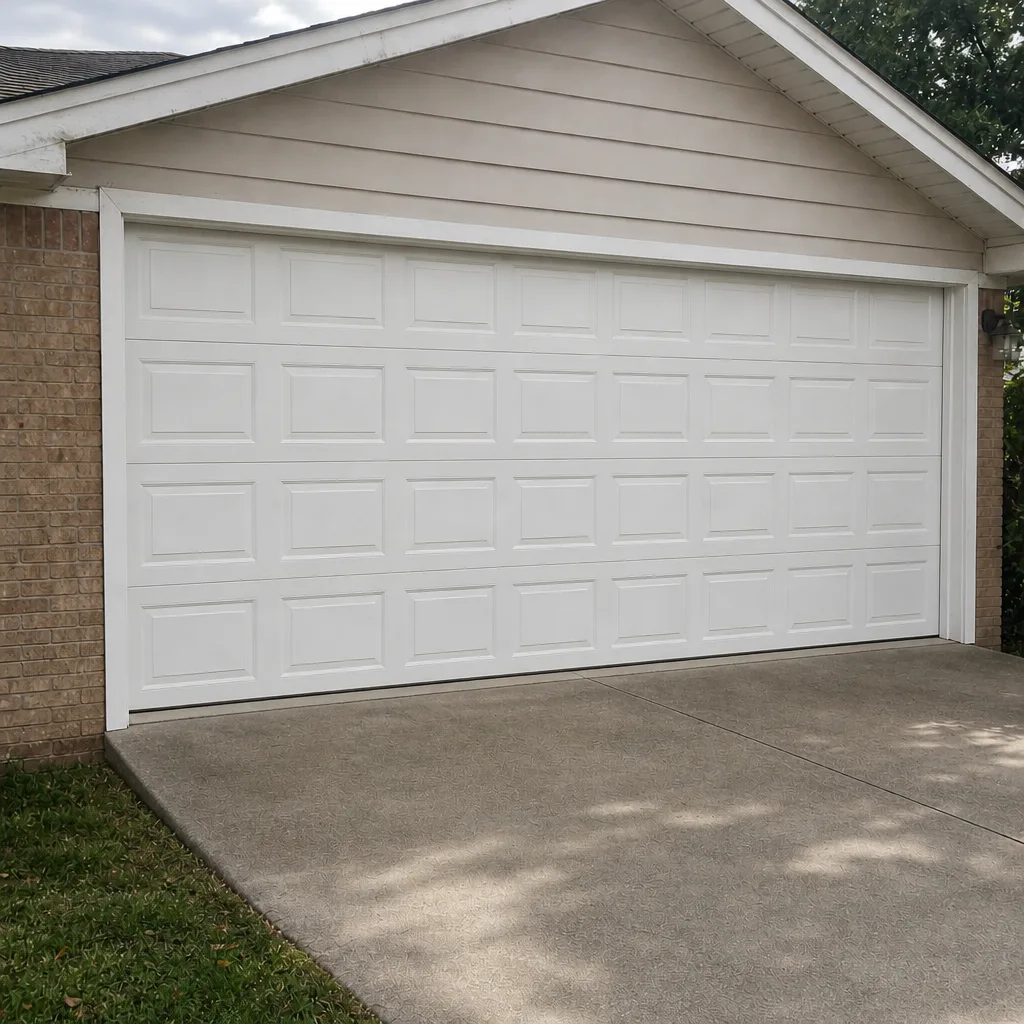 After
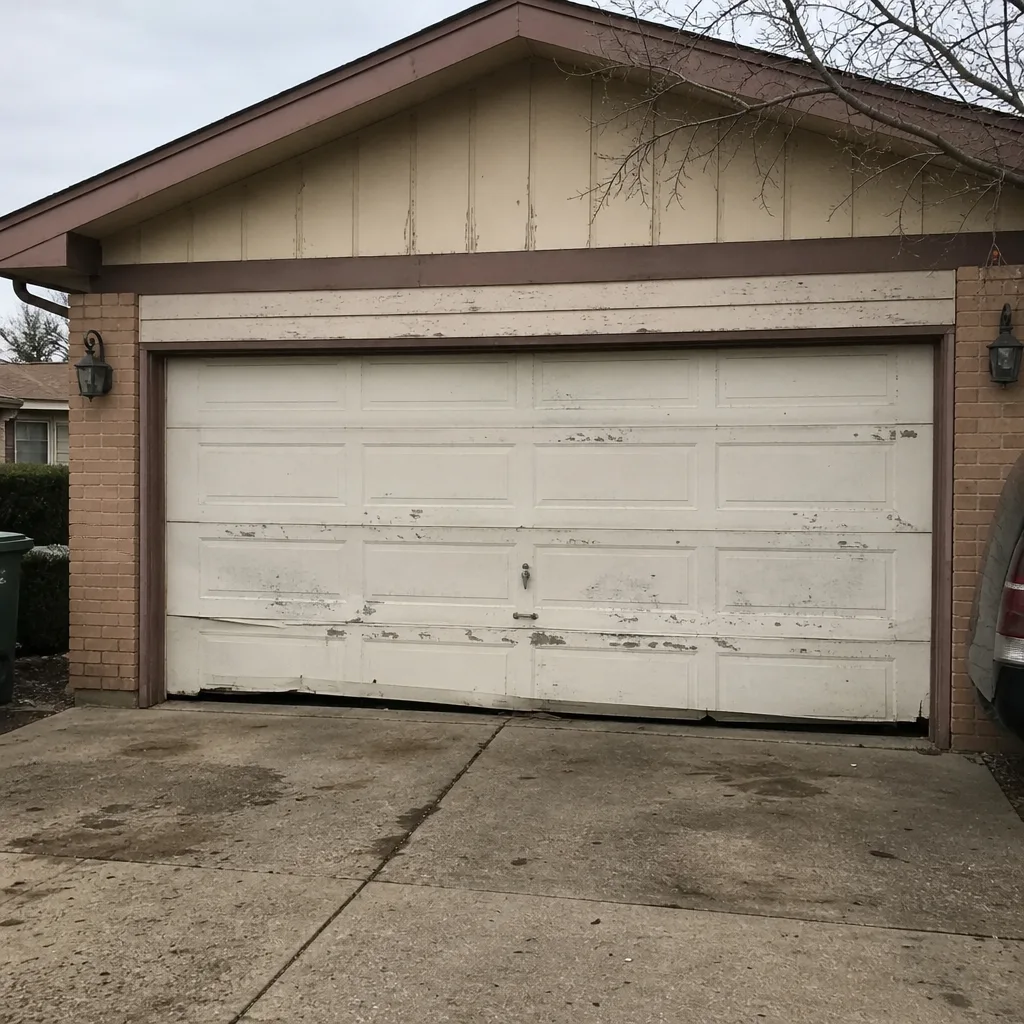 Before
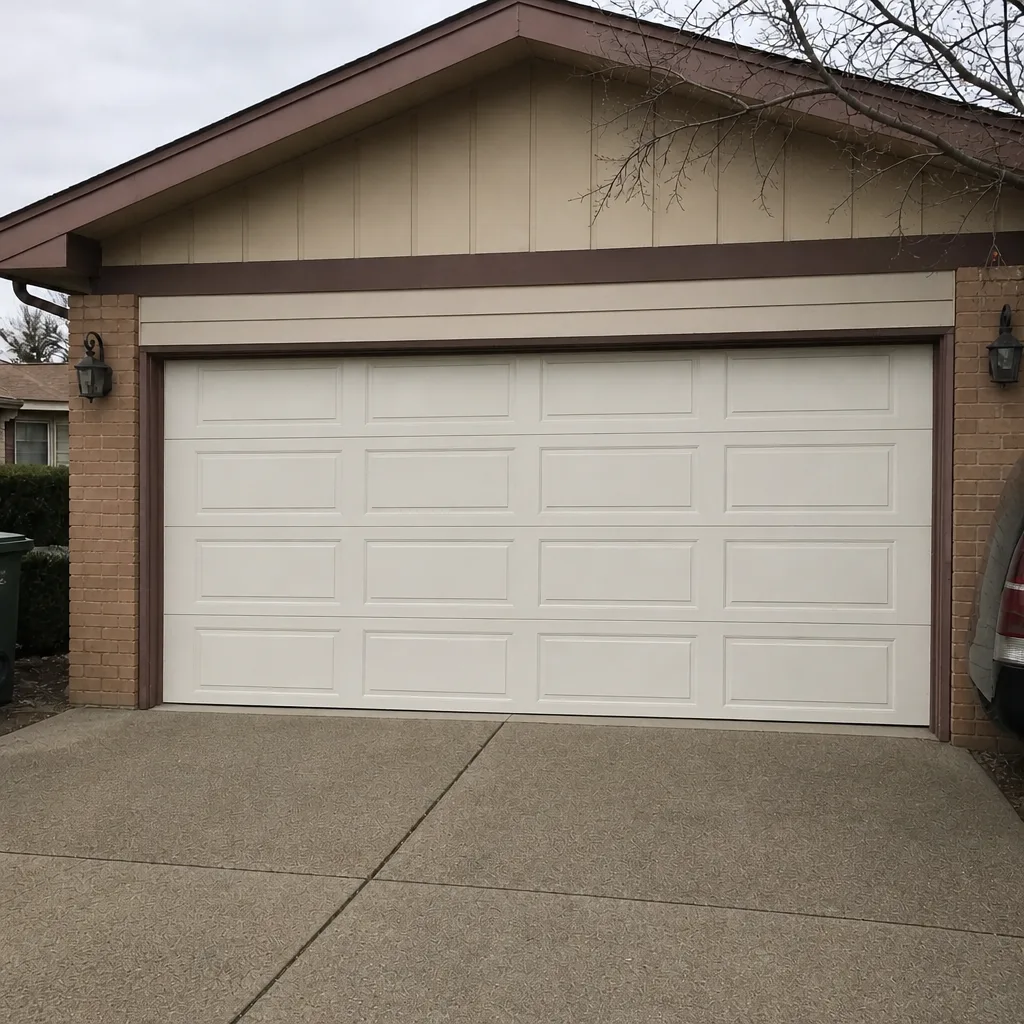 After
When to Call a Professional
Call a professional for any spring or cable failure, any door that’s come off its track, any door that won’t open or close and can’t be freed by hand, and any opener that’s dead after a power surge. Call if you’ve found the door’s label and the parts are discontinued, so we can confirm substitution options before the visit. Call if you’re considering a new door and need a measure and a written price. And call if your door has come loose from its track with the garage open, because that’s a security issue as much as a mechanical one. Garage Door Repair Orland Park offers free estimates in Orland Park, and you can reach us at (855) 658-4224 for a free estimate. This is the full arc, from an emergency call to a new installation, and we carry it under one roof so you don’t have to start over with a second company.
Frequently Asked Questions
Most springs last somewhere past the ten-year mark, but cycle count matters more than age. A door that runs four or more times a day wears its springs out faster than a door that runs twice a week. If you’re past a decade and the door feels heavy or the spring is visibly stretched or gapped, plan for replacement. Call (855) 658-4224 for a free estimate. Estimates are free.
Many municipalities require a permit for replacing a garage door, so ask the Village of Orland Park’s building department directly before you order the door. Requirements can change, and the building department is the only authoritative source. Get their answer before you install, not after.
In most cases, yes. Spring repair is a core service, and a failed spring is one of the most common calls we get. We also handle emergency scenarios when the door is stuck open, stuck closed, or off-track. Call (855) 658-4224 to confirm availability. Estimates are free.
No. The written estimate is set after we see the door, and the quoted price is the number you pay unless you approve a change in scope. Nothing gets started until you’ve agreed to the price. Call (855) 658-4224 for a free estimate.
Repair if it’s a single failed part and the panels are sound. Replace if the panels are rusted through, a cluster of components are all at end of life, or you’d rather upgrade to an insulated or different-style door. The written estimate after a measure gives you the real comparison.
We service LiftMaster, Chamberlain, Genie, Clopay, Amarr, Wayne Dalton, Craftsman, and Raynor. All four major brands common in Orland Park builds are covered. If your door or opener is one of those, we’re familiar with the parts and quirks.
The Bottom Line
Orland Park’s builder-era doors are failing on a schedule set by the subdivisions they went in, and the freeze-thaw climate here pushes them along faster than the calendar alone would. Most of what fails is repairable. Springs, cables, rollers, openers, and seals can all be handled, and a full replacement is only warranted when the door’s panels or its whole spread of components are done. Read the label, ask the village and your HOA before a replacement, and get the price in writing before any work starts. That’s the whole decision tree in four moves.
For any of it, from a broken spring to a full new installation, call (855) 658-4224 for a free estimate. Our technicians have up to 8 years of experience, and the work is quoted and agreed before anything begins.
Written by the team at Garage Door Repair Orland Park.