Last updated November 22, 2026
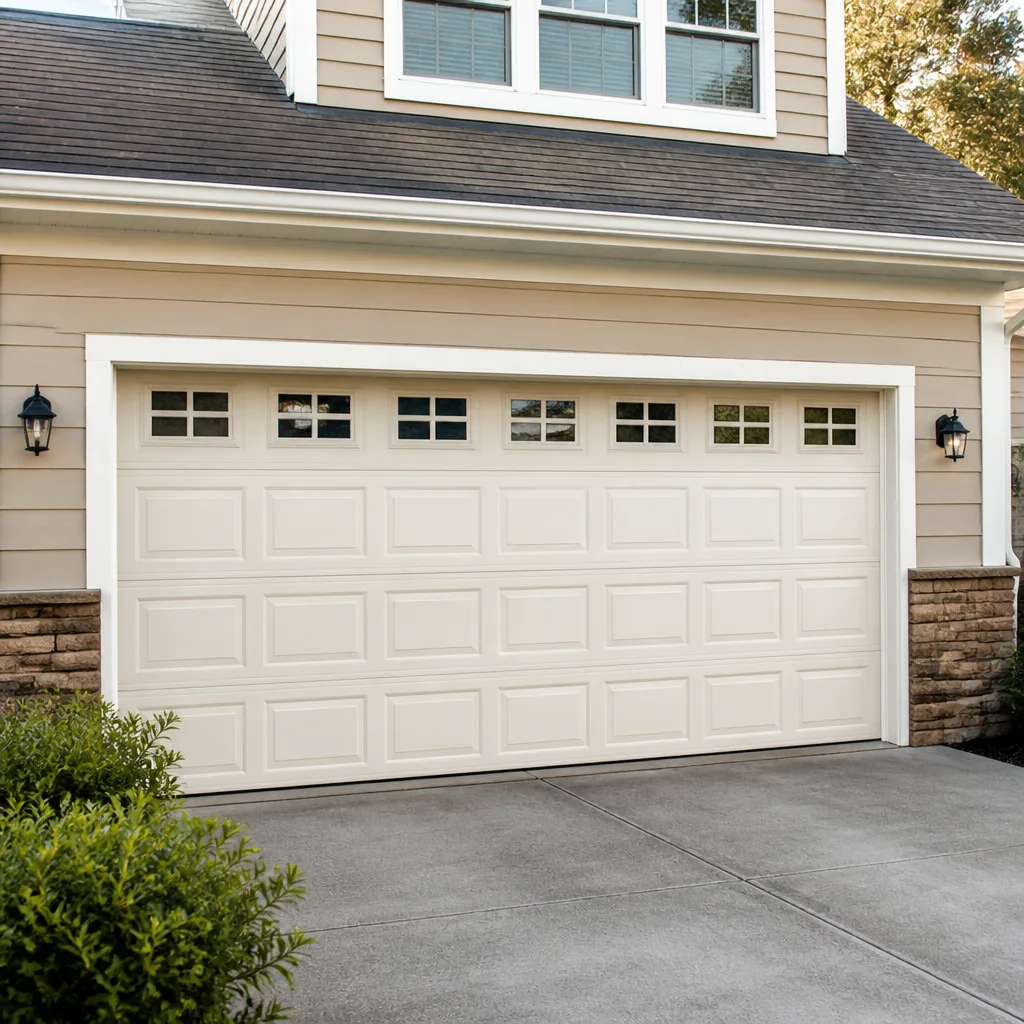 Raised-panel steel
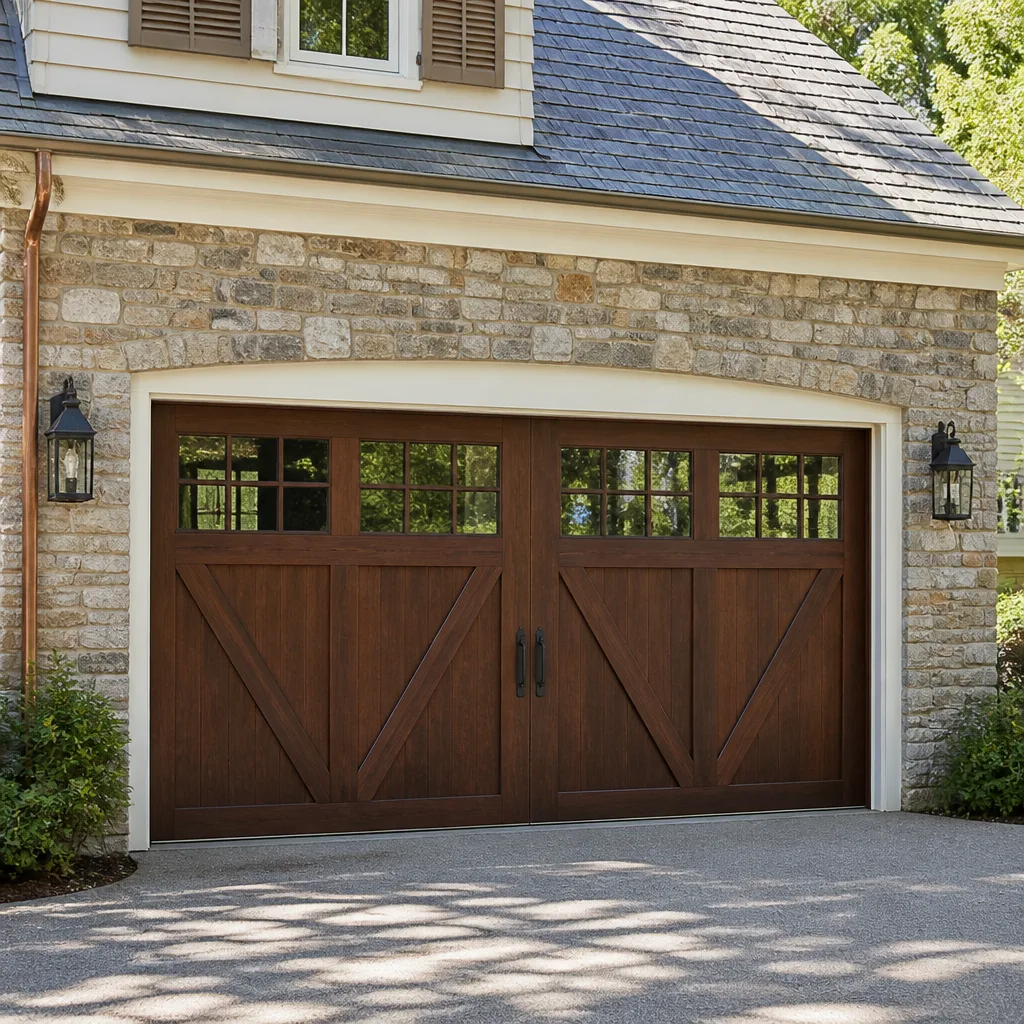 Carriage house
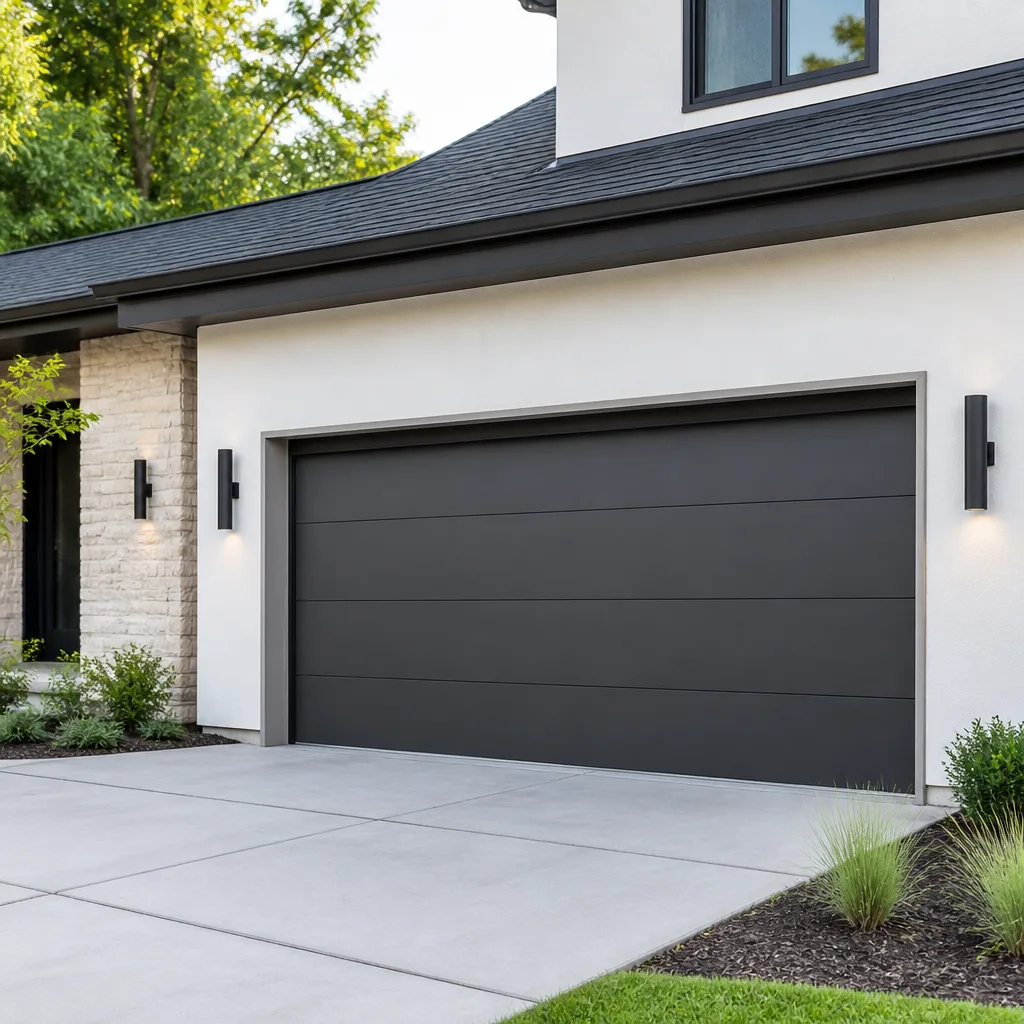 Modern flush
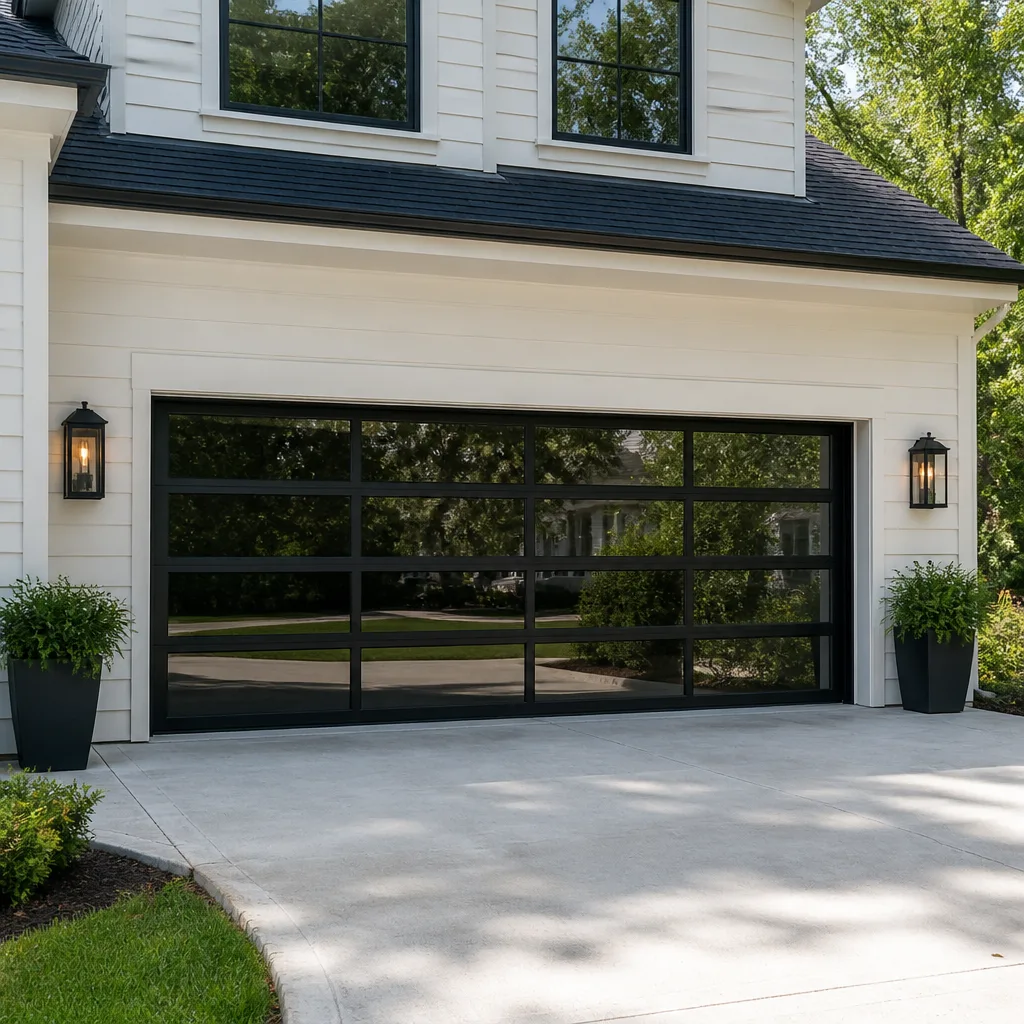 Full-view glass
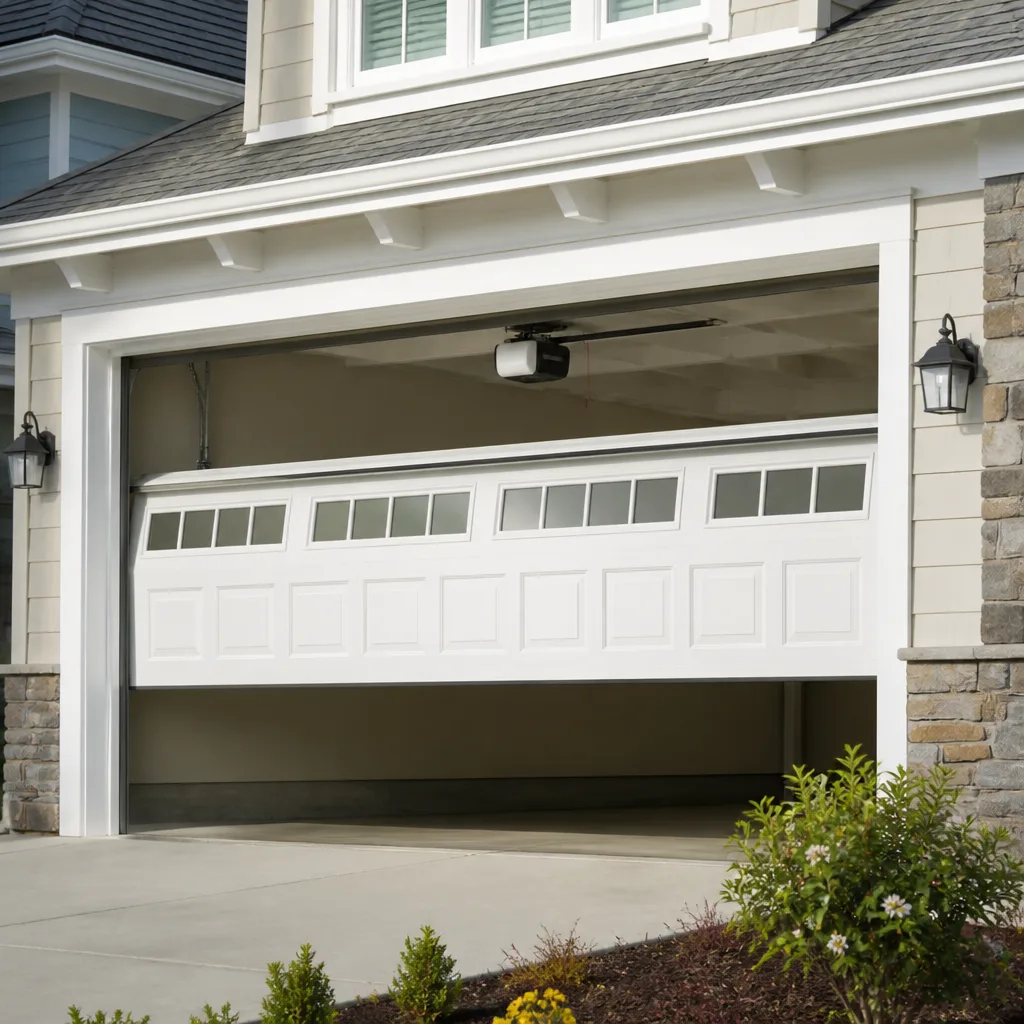 LiftMaster openers
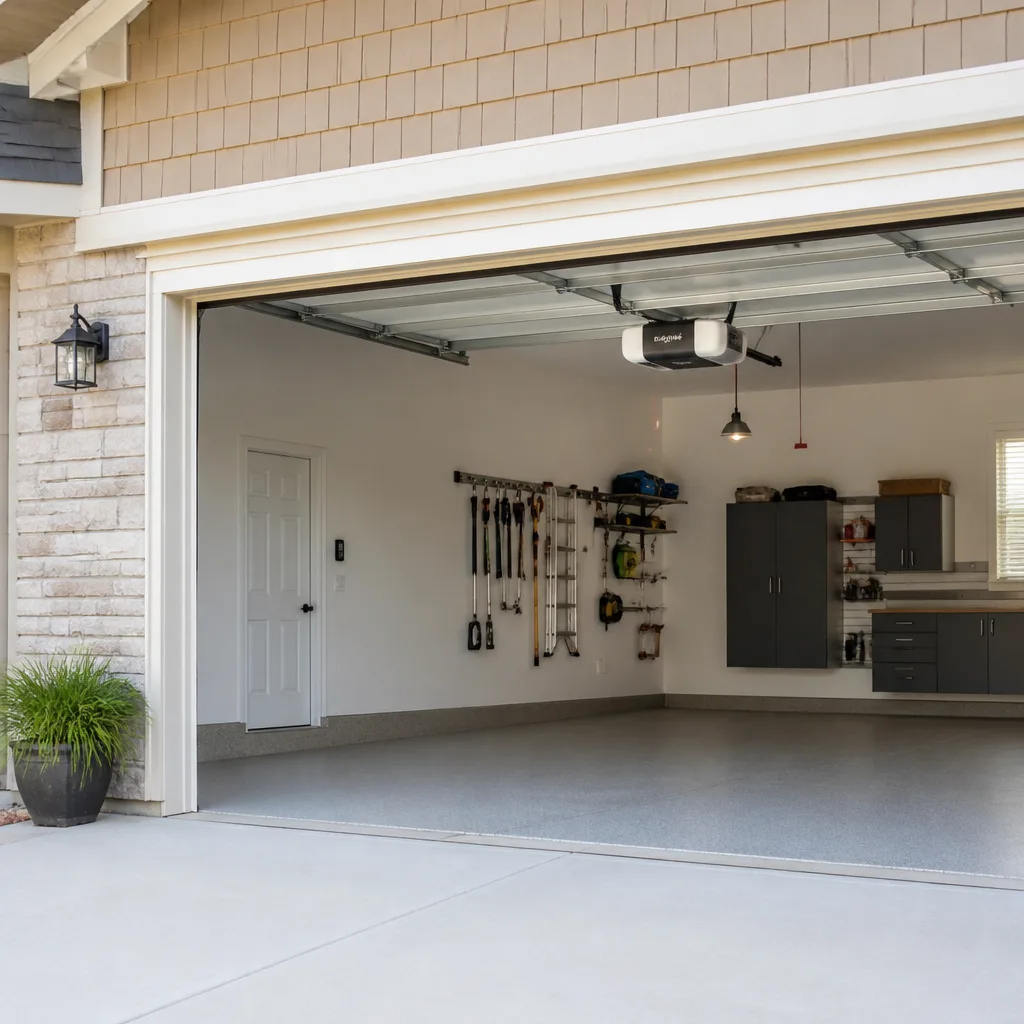 Chamberlain openers
Full 25-point door and opener safety check with every visit - springs, cables, rollers, tracks, and your LiftMaster or Chamberlain opener included
You get a price before we start. It does not change when the pro arrives.
Get your free estimateHow to Hire a Garage Door Contractor in Orland Park: A Step-by-Step Guide
Any contractor can tighten a bolt. Almost no one calls back six months later when the door binds again – unless you asked the right questions before writing the check. That’s the part most Orland Park homeowners skip. They compare three prices, pick the middle one, and hope. The real decision isn’t price at all. It’s whether the person standing in your driveway actually specializes in garage doors or treats them as a sideline between drywall patches and deck repairs. This guide gives you the interview questions, credential checks, quote-reading skills, and warranty language that separate a specialist from a generalist with a door on the truck.
Quick Answer
To hire a garage door contractor in Orland Park, verify the company treats garage doors as a primary trade rather than a side job, ask brand-specific diagnostic questions to test real fluency, demand a written quote that itemizes parts and labor separately, and require warranty terms for both parts and labor in writing before any work begins. Licensing alone tells you very little about garage door competence, so the interview matters more than the paperwork.
Styles & brands we work with
- Raised-panel steel
- Carriage house
- Modern flush
- Full-view glass
- LiftMaster openers
- Chamberlain openers
Table of Contents
- Specialist or Generalist? The Distinction That Decides the Job
- What Illinois Contractor Licensing Covers for Garage Doors, and What It Doesn’t
- The Interview Questions That Reveal Real Expertise
- How to Compare Quotes When the Line Items Are Vague
- Reading Online Reviews the Way a Specialist Would
- Warranty Language to Require in Writing
- Orland Park Conditions That Affect Your Door
- A Final Hiring Checklist for Orland Park Homeowners
Specialist or Generalist? The Distinction That Decides the Job
A garage door is the largest moving object attached to your house. It runs on high-tension springs, tracks on precision rollers, and balances a hundred-plus pounds of steel or composite every time it moves. A general handyman can swap a photo-eye sensor or tighten a hinge. What they usually can’t do is diagnose a torque-tube winding problem, recognize when a track has been knocked out of plumb, or tell you the difference between a failing operator logic board and a stripped gear. Those are the calls that separate a specialist from a sideline operation.
In our experience across Orland Park, the gap shows up in two ways. First, diagnosis time. A brand-familiar technician looks at a Wayne Dalton door and knows the specific spring configuration and operator compatibility quirks before opening a toolbox. A generalist spends your money learning. Second, follow-through. A specialist sees the whole system – door, springs, tracks, opener, sensors – and catches a failing component before it strands you. A handyman fixes the symptom you called about and leaves.
We’re a single-trade company. Garage doors and openers are the entire business, not a line item on a longer menu. That focus is exactly what you should be filtering for when you vet anyone else. If a company’s website lists garage doors alongside roofing, painting, and basement finishing, ask directly how much of their work is doors. The answer tells you a lot.
What Illinois Contractor Licensing Covers for Garage Doors, and What It Doesn’t
Here’s the part that surprises people: Illinois does not issue a statewide general contractor license, and it doesn’t license garage door technicians as a distinct trade. Licensing in Illinois happens at the municipal and county level, and requirements vary by where the work is done. A state registration may exist for certain contracting categories, but it doesn’t certify garage door competence. That gap is why the interview matters more than a wallet card.
What licensing and registration do tell you:
- The business is registered and accountable to a jurisdiction, which gives you recourse if something goes wrong.
- Basic insurance and bonding requirements may be verified at the local level, depending on the municipality.
- The company has at least cleared whatever threshold Orland Park or Cook County requires for the work being performed.
What licensing does not tell you:
- Whether the technician has ever wound a torsion spring or replaced a cable safely.
- Whether the company knows your door brand’s specific spring and operator specs.
- Whether they carry the right gauge cable, the correct drum, or a compatible opener for your setup.
Ask any contractor you’re considering which local licenses and registrations they hold and whether the specific job requires a permit. Garage door replacement sometimes triggers permit requirements depending on the scope and the municipality, so confirm with Orland Park’s building department rather than taking a contractor’s word for it. A specialist knows the answer without hesitation. A generalist often guesses.
The Interview Questions That Reveal Real Expertise
You don’t need to know how to fix a door to vet someone who does. You need questions whose answers can’t be faked with confidence alone. Ask these before you book anyone, ideally on the phone. Listen for specifics, not reassurances.
- “What percentage of your work is garage doors?” A specialist answers in the high majority. A generalist hedges. If the number is vague, treat that as your answer.
- “Which brands do you work on regularly?” Listen for named brands and specifics. A technician familiar with LiftMaster and Chamberlain openers, or with Clopay and Amarr doors, will talk about brand-specific quirks without prompting. Our technicians work across eight major residential brands, and the ones who know them can tell you what tends to fail first on each.
- “When my door binds or reverses, what’s the first thing you check?” A specialist names a diagnostic sequence: springs, cables, tracks, then the opener’s safety reverse and force settings. A generalist says “I’d take a look.”
- “Do you repair springs, or do you sub that out?” Spring work is the most dangerous part of the trade. If they don’t do it themselves or won’t name a qualified partner, that’s a problem.
- “What’s in your written estimate, and is the price locked before work starts?” The correct answer: parts and labor itemized, price agreed in writing before anything is touched.
- “What’s your warranty on parts, and separately on labor?” Anyone who can’t answer both halves in one breath is offering you half a warranty.
- “If my opener is a legacy unit, can you still service it?” Older Craftsman and Genie systems need someone comfortable with legacy parts. A specialist says yes and explains the limits.
Run these questions on two or three companies in Orland Park and the field narrows fast. The specialists sound different because they’re describing work they do constantly. When the door won’t move, that fluency is what gets it working again. For a fuller picture of the repair side, see our garage door repair page.
How to Compare Quotes When the Line Items Are Vague
Two quotes for the same repair can look identical on the bottom line and mean completely different things. The difference is in what “labor” and “hardware” actually cover. A vague quote is a quote you can’t compare, and it’s the setup for a bigger bill later. Here’s what a real garage door estimate should itemize.
- Parts, named and numbered. Springs by wire gauge and length. Cables by type. Rollers, hinges, and drums called out by what they are, not lumped into “hardware.”
- Labor, broken into tasks. Spring replacement and opener repair are separate jobs. If they’re bundled into one “labor” figure, ask for the split.
- Diagnostic fee, stated upfront. Some companies charge one, some don’t. Either is fine, as long as you know before the truck arrives.
- What’s NOT included. Disposal, permit fees if applicable, and any follow-up visit should be listed so nothing appears as a surprise.
- Price validity. A written quote should say how long it holds, so you’re comparing current prices.
Ask each contractor to explain their quote line by line. A specialist will do it without annoyance because they know exactly what each item is. Watch especially for a single “labor” line covering a spring job and an opener call. Those are two services with different risk and time profiles. Our garage door opener repair page explains why opener work is usually priced on its own. And when it comes to the highest-risk component on the door, garage door spring repair deserves its own clearly itemized line, never a rounded guess.
The written estimate sets the final price. Anything a contractor can’t put in writing is something you shouldn’t agree to.
Reading Online Reviews the Way a Specialist Would
Reviews are useful if you read them for patterns, not stars. The question isn’t whether a company has complaints. Every company that does real work gets some. The question is whether the complaints cluster around the same failure and whether it’s systemic or one-off. Here’s how to sort them for garage door work specifically.
- Systemic red flags: repeated complaints that the final price exceeded the quote, that the same repair failed within weeks, or that no one answered after the job. Three or more of the same complaint is a pattern, not bad luck.
- One-off noise: a scheduling mix-up, a personality clash, a review written by a competitor. Single, unrelated complaints shouldn’t disqualify a specialist.
- Garage-door-specific tells: look for reviews that mention brand names, specific components like springs or cables, or diagnostic moments (“they found the problem the first visit”). Those come from customers who watched a specialist work. Vague praise (“great service, very professional”) tells you less.
- Response quality: a company that replies to negative reviews with specifics and an offer to make it right is a company that stands behind the work.
Orland Park homeowners are diligent about vetting, and that makes local reviews meaningful. Read the three-star reviews carefully; that’s where the real signal lives. Reviews that mention the same failed fix across multiple customers are the ones to act on.
Warranty Language to Require in Writing
“Warranty on parts” and “warranty on labor” are two different promises, and most homeowners only find out which one they got when something fails. Get both in writing before you pay. Here’s what each actually means in practice.
- Parts warranty: covers the physical component – the spring, the opener board, the roller. If it fails within the stated period through no fault of yours, the part is replaced. This is the easier half for a company to offer because the manufacturer often backs it.
- Labor warranty: covers the technician’s time to diagnose and install the replacement. This is the half that separates the real specialists. A company that warranties labor is telling you they expect the work to hold.
- Duration and scope: the written warranty should state how long each half lasts and what voids it. Wear-and-tear exclusions are normal, but they should be spelled out, not buried.
- Who honors it: confirm the company standing behind the warranty is the one you’re calling, not a subcontractor whose contact info you don’t have.
On a spring replacement, ask specifically whether the labor to re-do the job is covered if the spring fails prematurely. On an opener replacement, ask whether the logic board and the motor carry separate terms. A specialist answers these without looking anything up. If a contractor is uncomfortable putting warranty terms in writing, you’ve learned what you needed to know.
Orland Park Conditions That Affect Your Door
Garage doors in Orland Park live through real extremes. Cook County summers push steel panels through temperature swings that expand and contract the door’s structure, and winters bring the freeze-thaw cycle that works on every moving part. That has practical implications for hiring.
Springs are the number-one failure point in this climate. The cycle count on a torsion spring is a finite resource, and a door that runs twice a day for a household with two drivers will wear a spring down faster than a single-car household. A specialist will ask about your daily use and cycle the spring choice accordingly. A generalist installs whatever they have and moves on.
Winter also stresses openers. Grease thickens in the cold, the door runs heavier, and an undersized opener starts to strain. If your door reverses or stops short on the coldest mornings, the problem may be the opener’s force setting or the door’s balance, not the operator itself. That distinction matters when you’re being quoted for a replacement versus a repair.
Orland Park’s housing mix includes a lot of newer subdivisions and older established neighborhoods, which means you’ll see everything from modern Clopay steel doors to legacy Wayne Dalton and Craftsman systems. A specialist who’s fluent in both new and legacy brands is the right fit for this town, whether you’re in a home near the metra corridor or further out toward the Cook County line. Our Garage Door Repair Orland Park page covers the full range of service we bring to the area.
A Final Hiring Checklist for Orland Park Homeowners
Run this checklist against every contractor you’re considering. It takes five minutes and saves you the six-month callback that never comes.
- Specialist test passed. The company gives a clear, specific answer about what share of their work is garage doors.
- Brand fluency confirmed. They name the brands they work on and can describe brand-specific parts and quirks without prompting.
- Spring capability verified. They do spring work themselves and treat it as a core service, not an outsourcing job.
- Written quote in hand. Parts and labor are itemized, the price is agreed before work starts, and you have the estimate in writing.
- Warranty terms in writing. Both parts and labor are covered, with duration and exclusions stated.
- Reviews read for patterns. You’ve looked for repeated complaints about price changes and repeat failures, and found none.
- Local credentials checked. You’ve confirmed their registrations and asked whether your specific job needs a permit.
When every item checks out, book the visit with confidence. When several don’t, keep looking. The right specialist makes the whole process straightforward.
Common Mistakes to Avoid
- Hiring on price alone. The cheapest quote often has the most vagueness built in. A slightly higher written estimate with itemized parts and labor can end up cheaper than a lowball that grows.
- Skipping the specialty question. If you never ask how much of their work is garage doors, you’ll likely get a generalist. Ask the question before you book.
- Accepting an oral quote. In Orland Park’s housing mix, a job described over the phone can expand once the door is opened. Get the price in writing.
- Ignoring the brand question. A contractor unfamiliar with your LiftMaster or Raynor system will spend your money learning it. Ask about brand familiarity first.
- Treating a parts warranty as the whole warranty. “Parts covered” often means the labor to install the replacement is on you. Require both halves in writing.
- Overlooking permit requirements. Garage door replacement scope can trigger local permitting. Confirm with the building department rather than relying on a contractor’s assumption.
- Not reading the middle of the review list. The three-star reviews are where systemic problems hide. Read those before the five-star ones.
See the difference
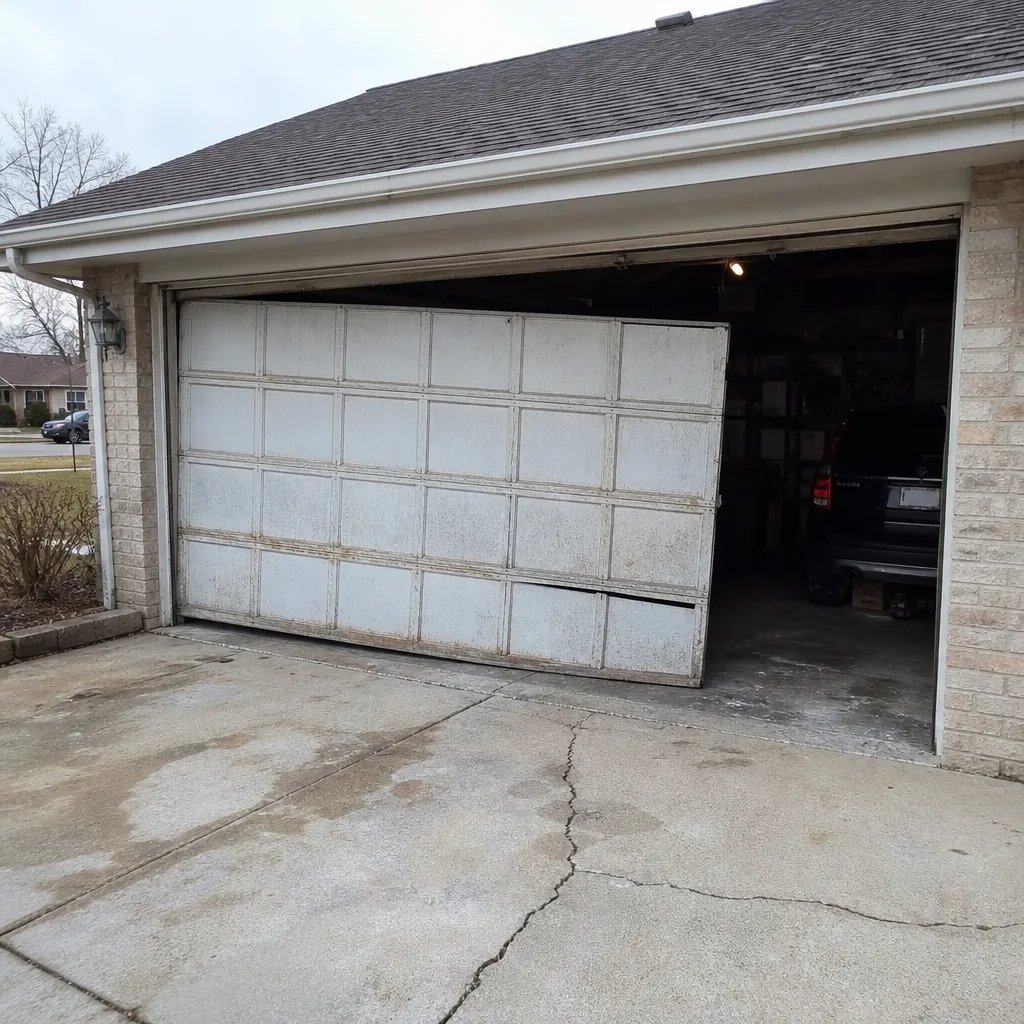 Before
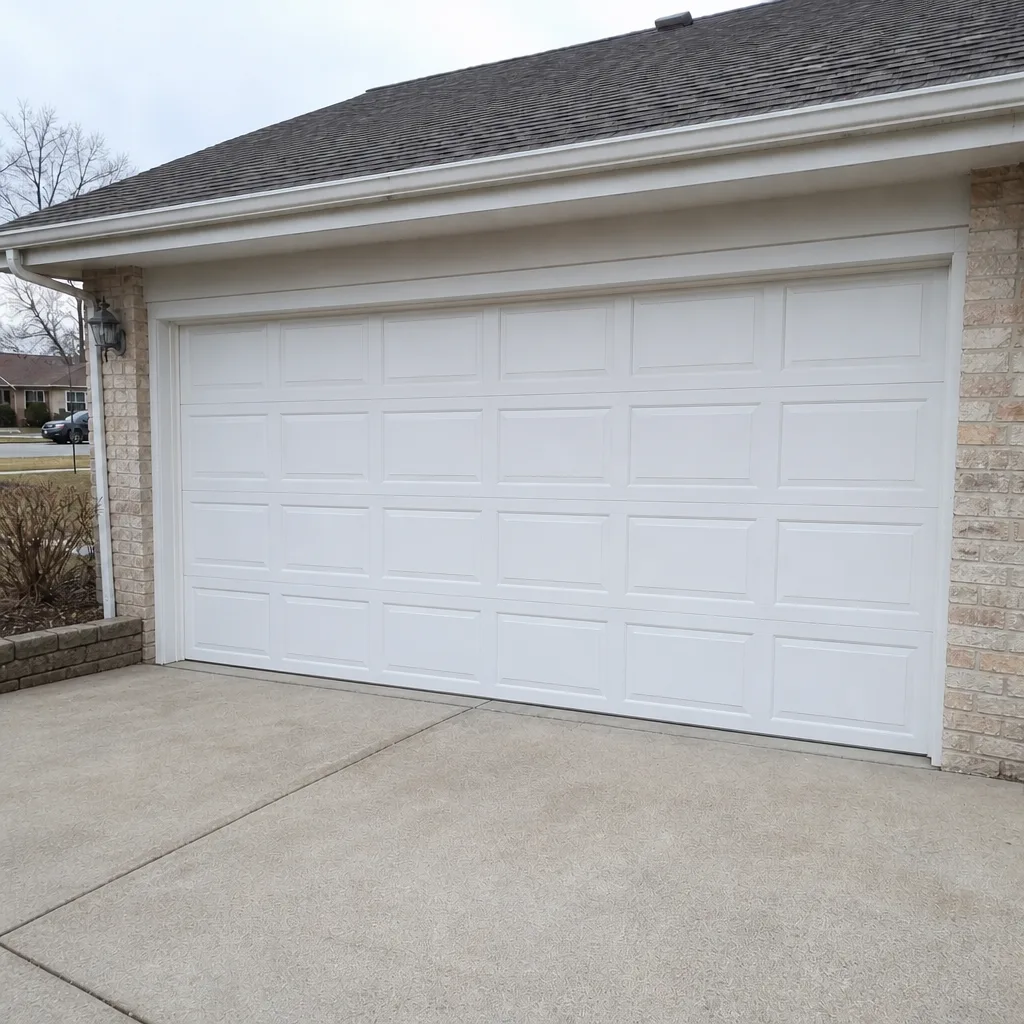 After
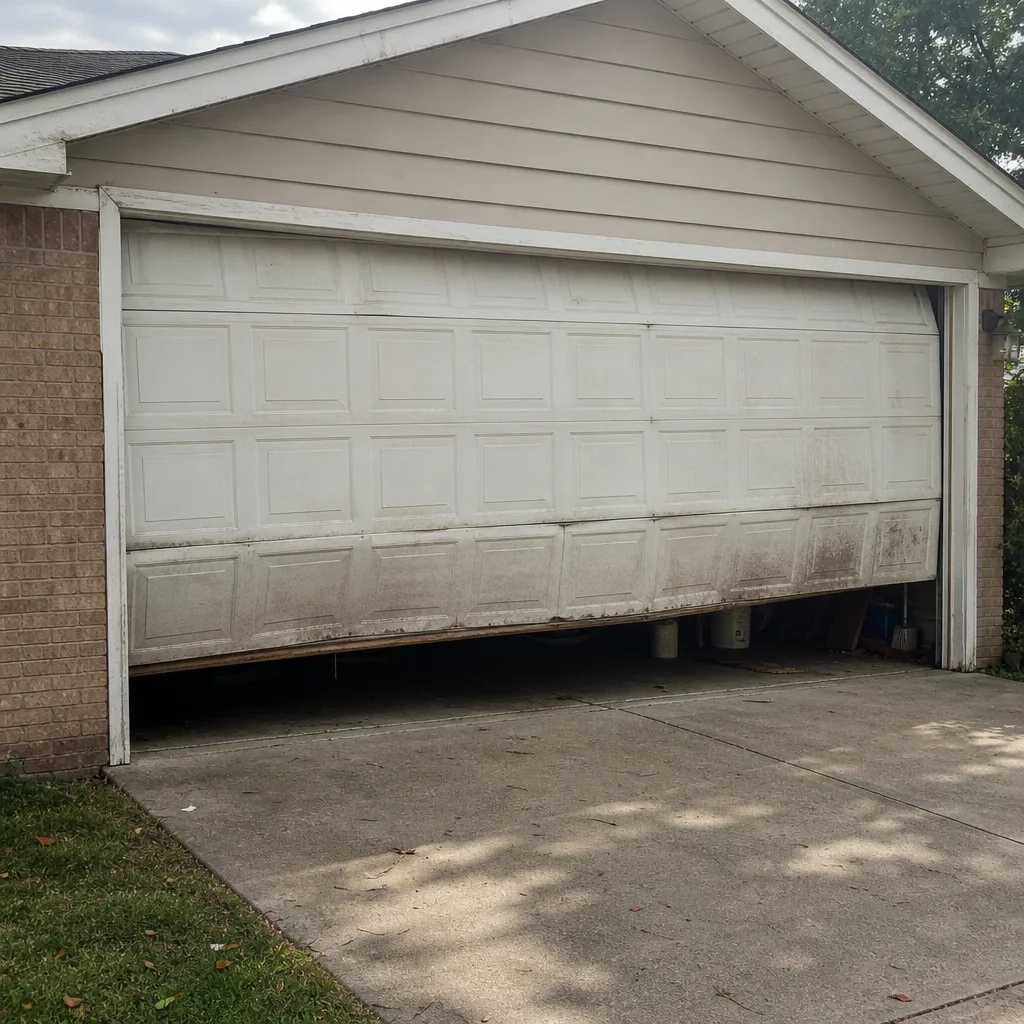 Before
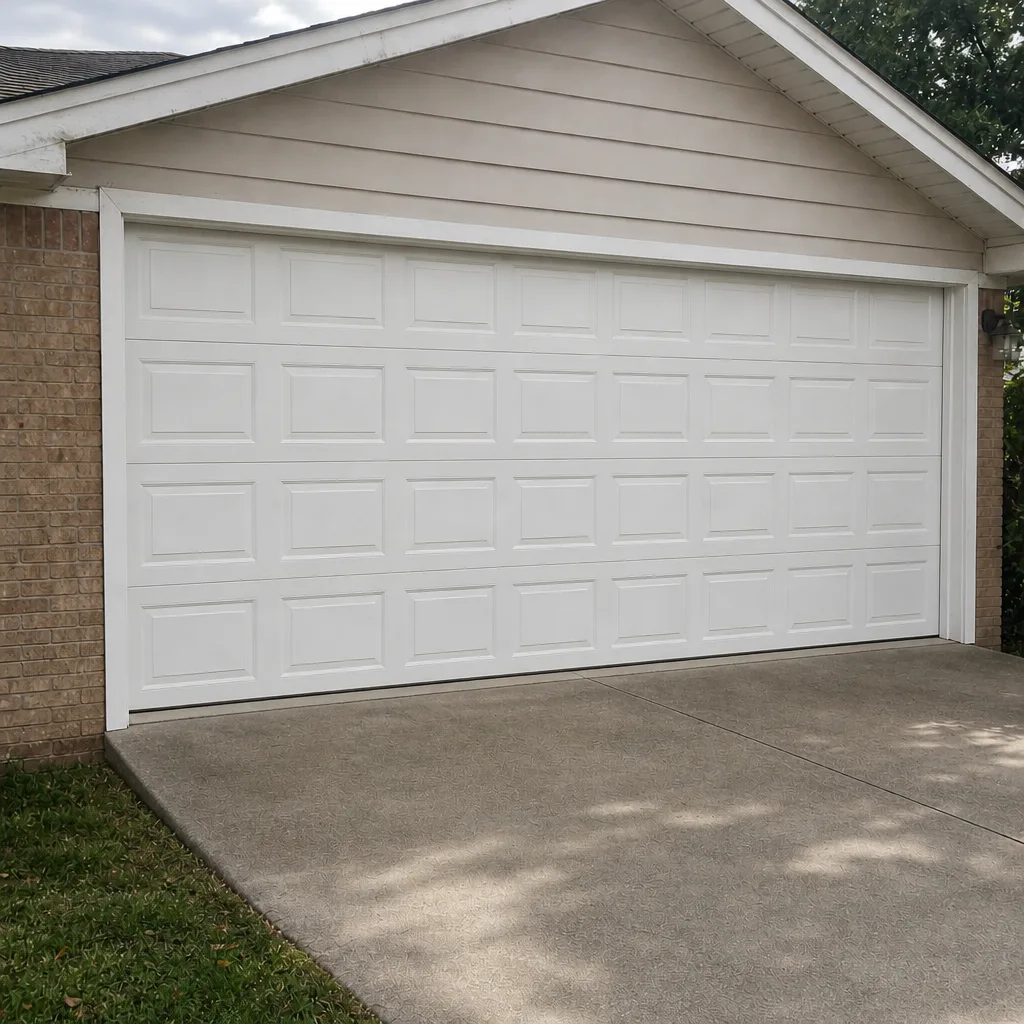 After
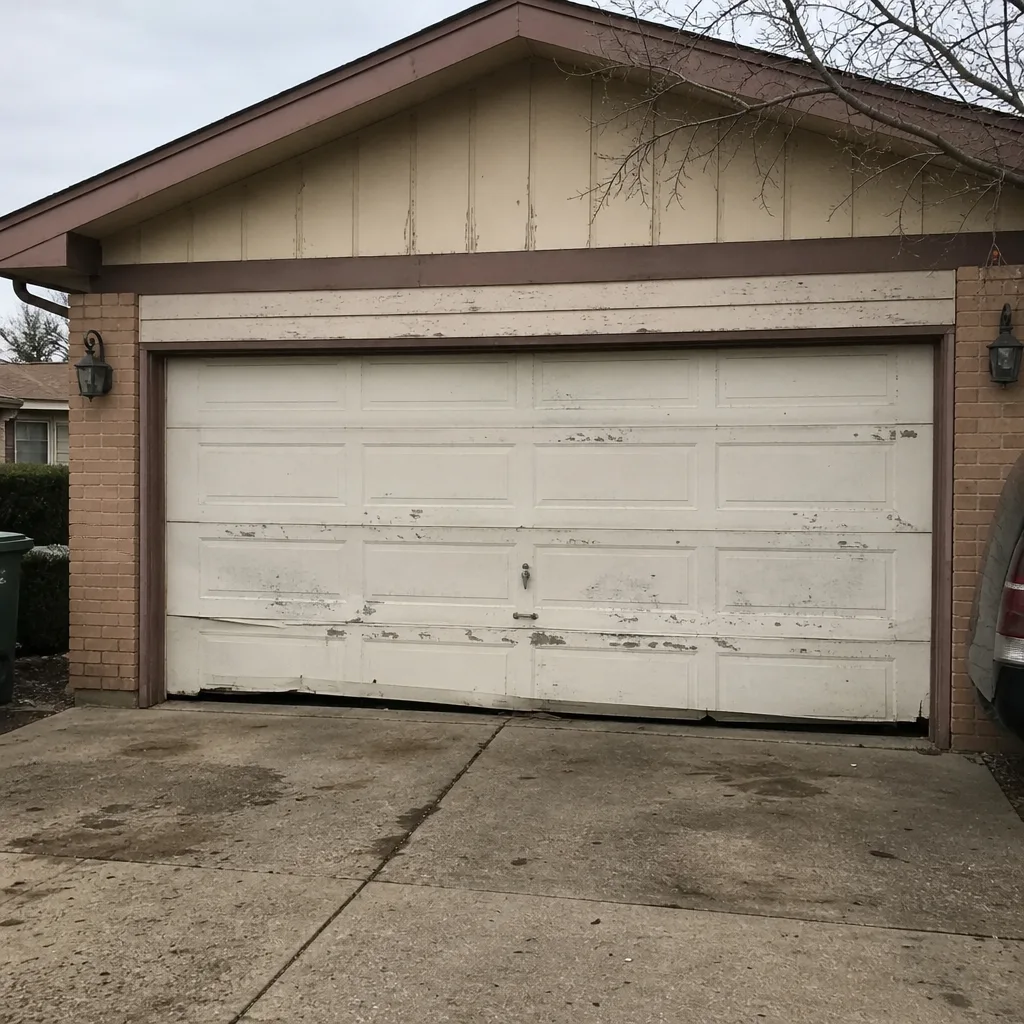 Before
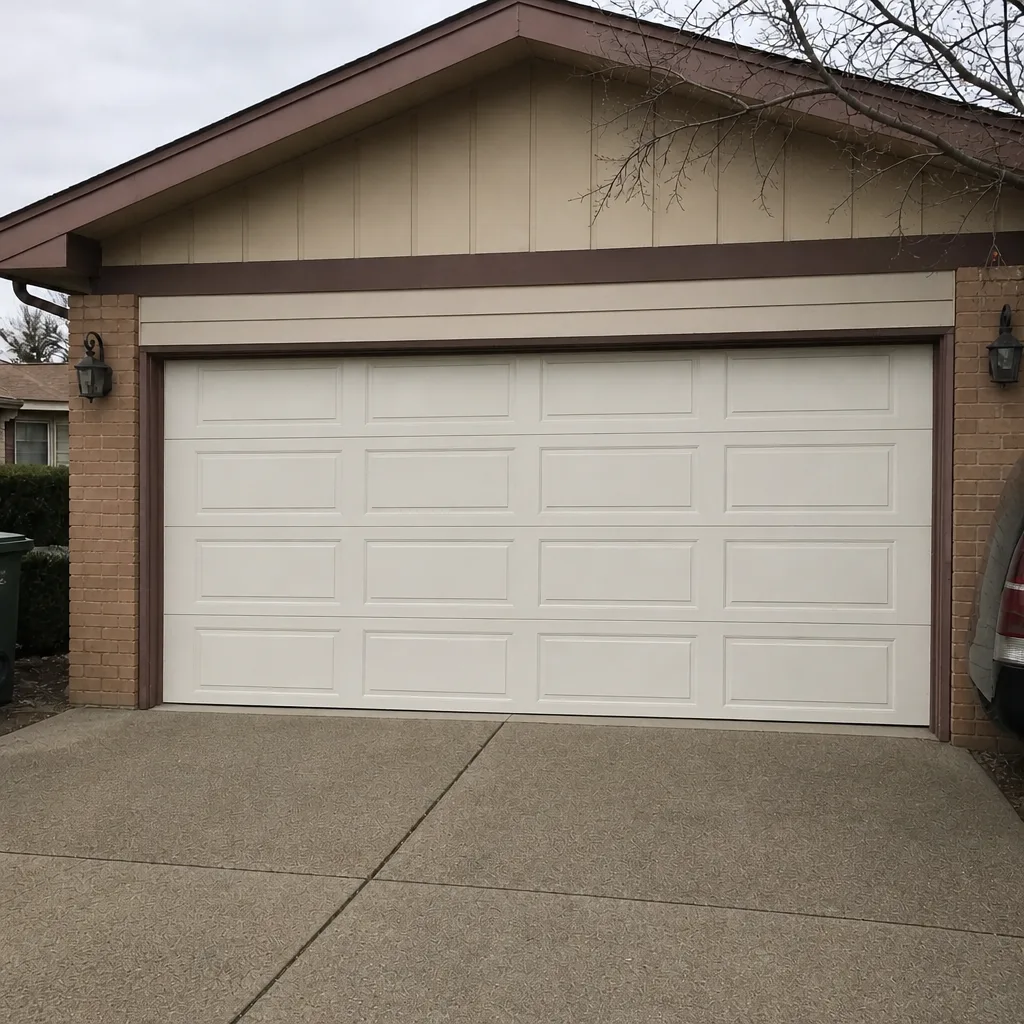 After
When to Call a Professional
Some garage door symptoms are cosmetic, and some are genuinely dangerous. Call a professional immediately when a spring breaks with a loud snap, when the door is hanging off-track, when a cable snaps, or when the door jams and won’t close at all. Springs and cables carry high tension, and a failed component under load can cause serious injury before you realize what’s happening. Do not attempt to adjust a torsion spring, reattach a cable, or force a door back onto its tracks yourself. That work belongs to a trained technician. Call us at (855) 658-4224 when the door won’t move; emergency service and free estimates in Orland Park are both available. A technician who handles springs daily can also confirm whether the whole system needs attention or just the one part.
Frequently Asked Questions
Ask what share of their work is garage doors and which brands they handle, then listen for specifics. A specialist gives concrete answers about parts, brands, and failure points. A generalist hedges or talks about broader home repairs. You can also check their website: if garage doors are one line item among roofing, painting, and remodels, treat them as a generalist.
Illinois doesn’t license garage door technicians as a distinct trade, and licensing is handled at the municipal and county level. Licensing confirms a business is registered and accountable, but it doesn’t certify garage door competence. Use it as a baseline, then vet expertise through the interview questions and your review research. Confirm permit requirements with Orland Park’s building department before your project starts.
How much should a garage door repair cost in Orland Park? garage door spring repair
We don’t publish fixed prices because every door and every failure is different, and a written estimate is the only way to know what your job will run. What we can tell you is that the quote should itemize parts and labor, and the price you agree to in writing is the price you pay. For an exact figure on your door, call (855) 658-4224 for a free estimate.
Stuck doors are exactly why we treat emergency garage door service as a core offering, not an upsell. We respond to urgent calls when the door won’t move. Call (855) 658-4224 and we’ll tell you what’s available and how to keep the situation safe until a technician arrives. Don’t force a stuck or off-track door yourself.
No. The written estimate sets the price before any work starts. If a technician finds additional problems on arrival, they explain the options and get your agreement before doing anything, so there are no surprise additions to the bill. Any contractor who won’t lock the price in writing is a contractor to skip.
We connect you with local professionals who hold the licensing and insurance their state requires, and we’re happy to answer credential questions before you book. Ask any contractor you’re considering directly which local registrations they hold and whether the job needs a permit, then confirm with the relevant jurisdiction. Credentials plus a written warranty and itemized quote are what protect you.
The Bottom Line
Hiring a garage door contractor in Orland Park comes down to filtering for expertise, not just paperwork. Ask the specialty question, test brand fluency, demand an itemized written quote with the price locked before work begins, and require warranty terms for both parts and labor. Read reviews for patterns, not stars. Confirm local credentials and permit requirements. The contractor who answers all of it without hesitation is the one whose work will still hold when the door binds again six months later. Our technicians have up to 8 years of experience, work across eight major residential brands, and handle everything from emergency repair to full new installation.
If your door is giving you trouble or you’re ready to upgrade, call Garage Door Repair Orland Park at (855) 658-4224 for a free estimate. We’ll walk you through the options, put the price in writing, and get your door moving again.
Written by the team at Garage Door Repair Orland Park.