Last updated November 22, 2026
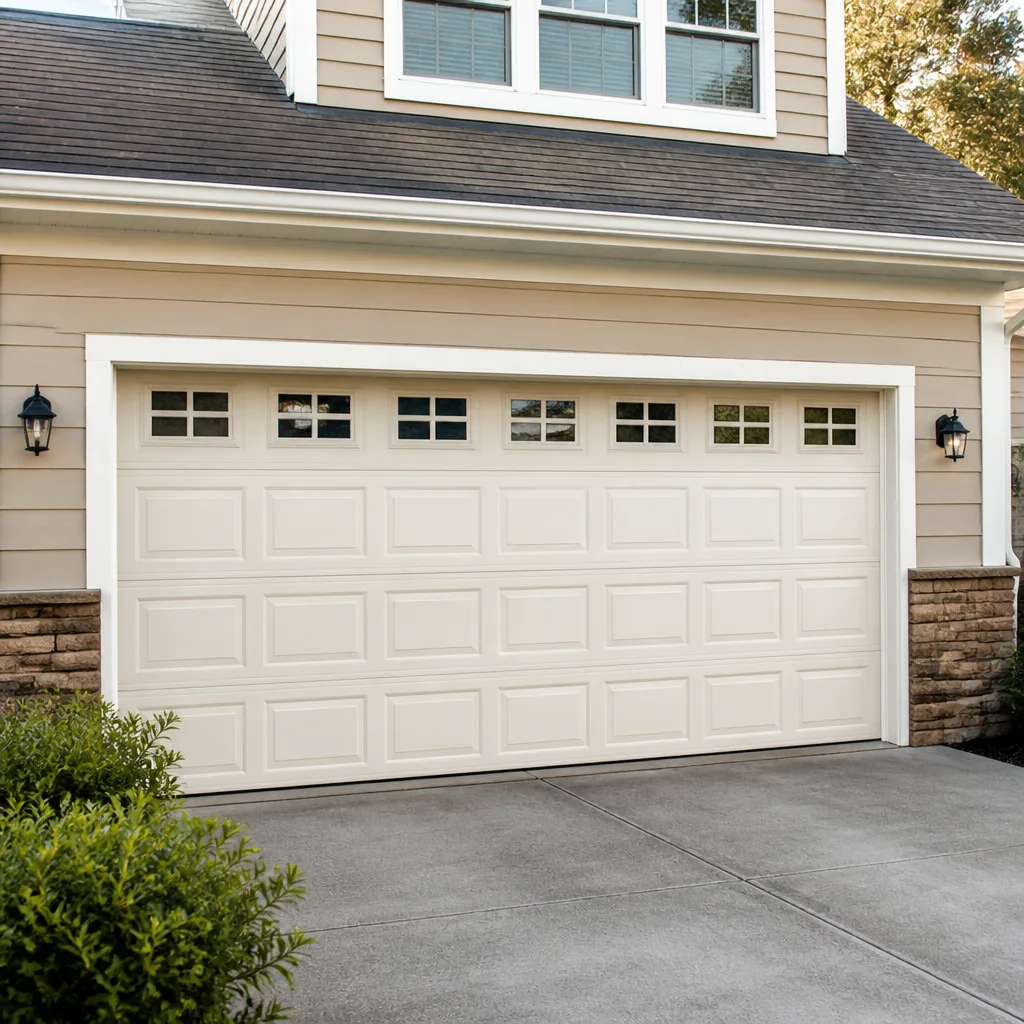 Raised-panel steel
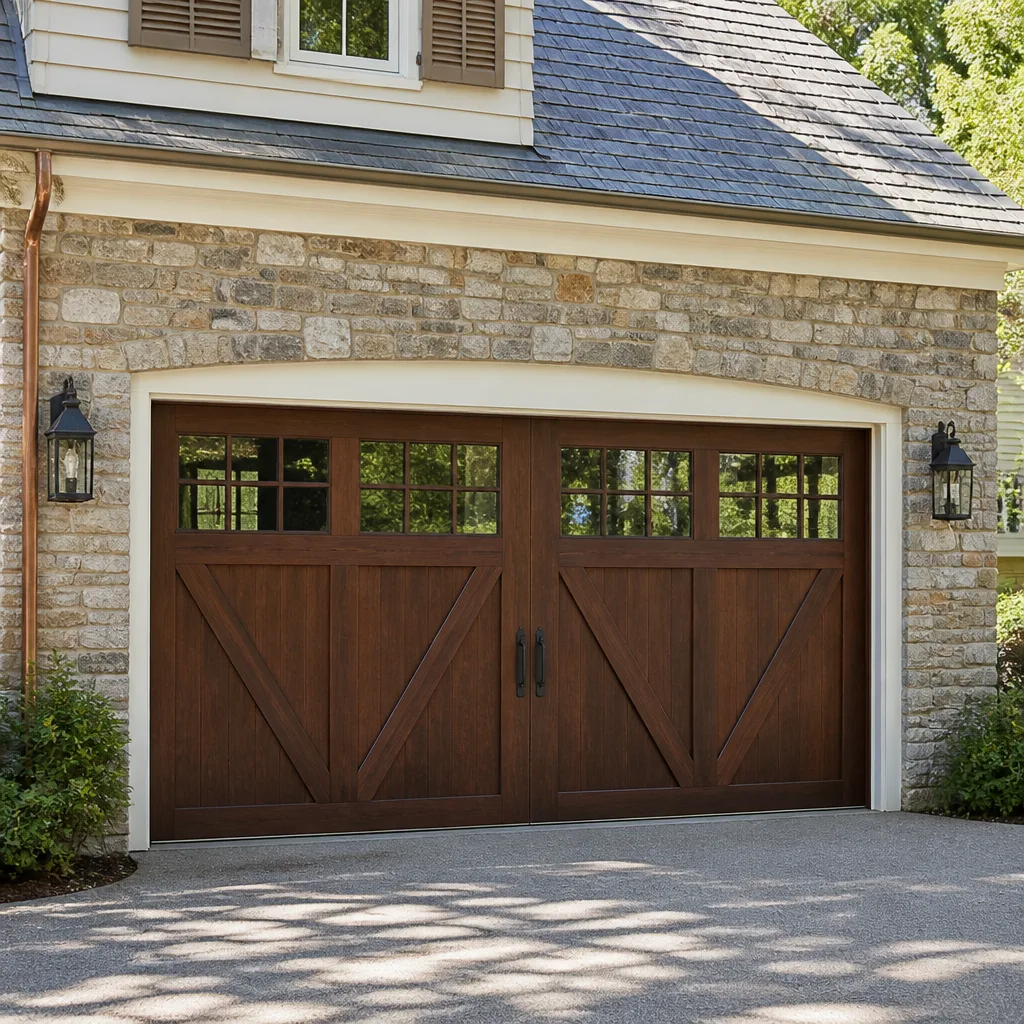 Carriage house
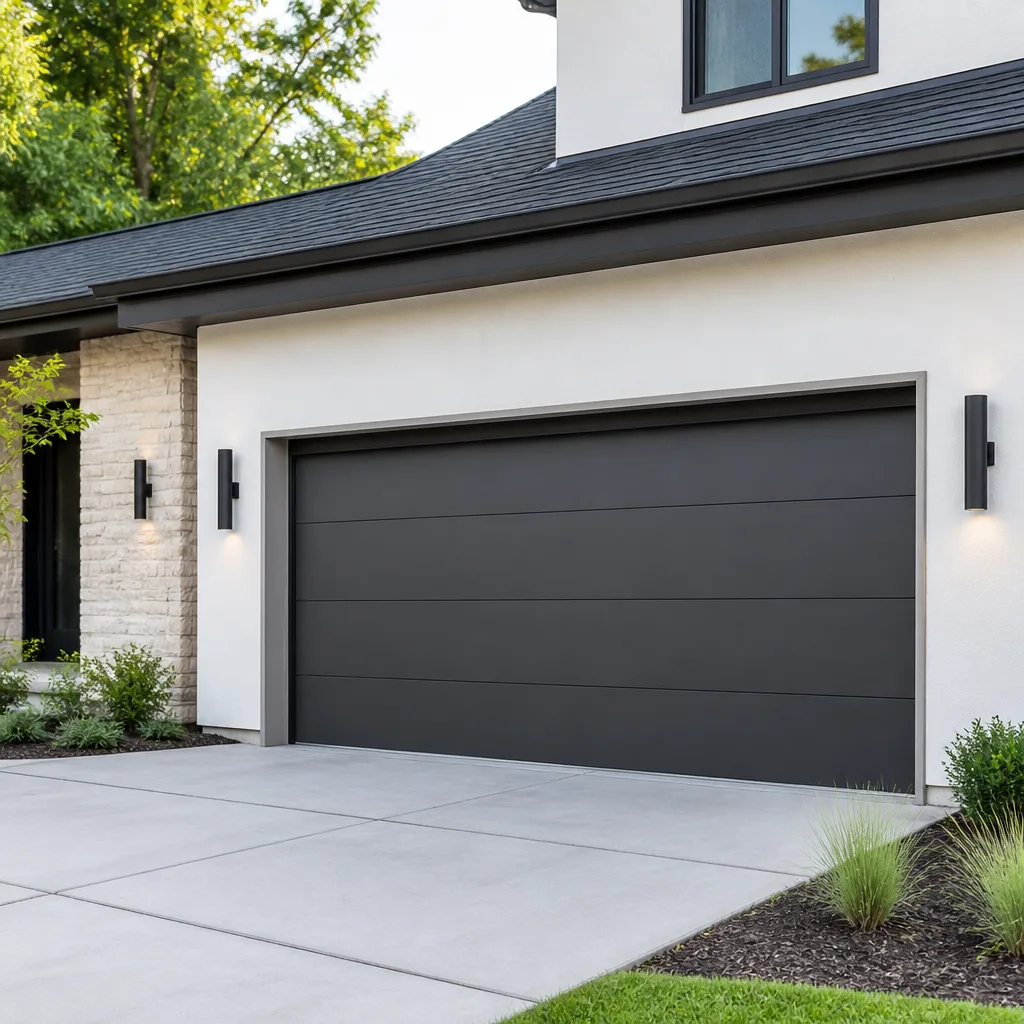 Modern flush
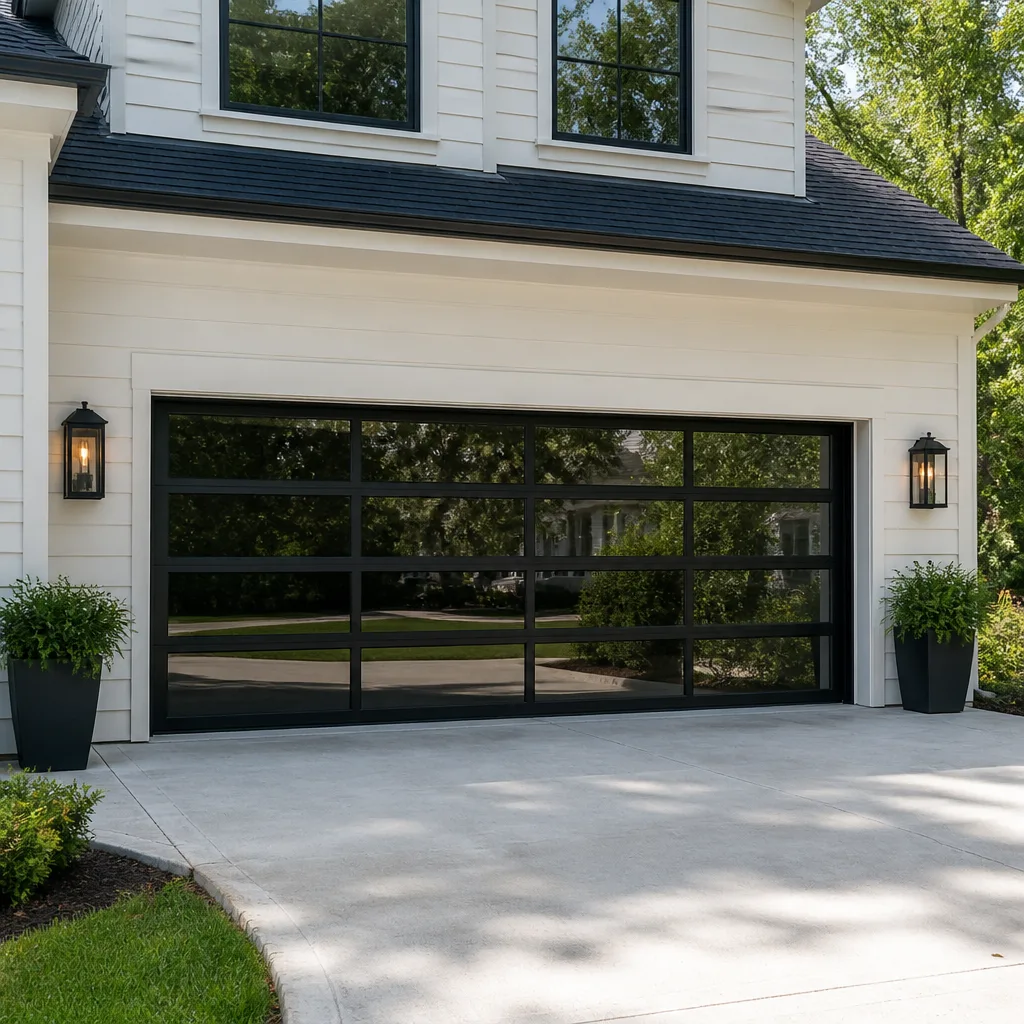 Full-view glass
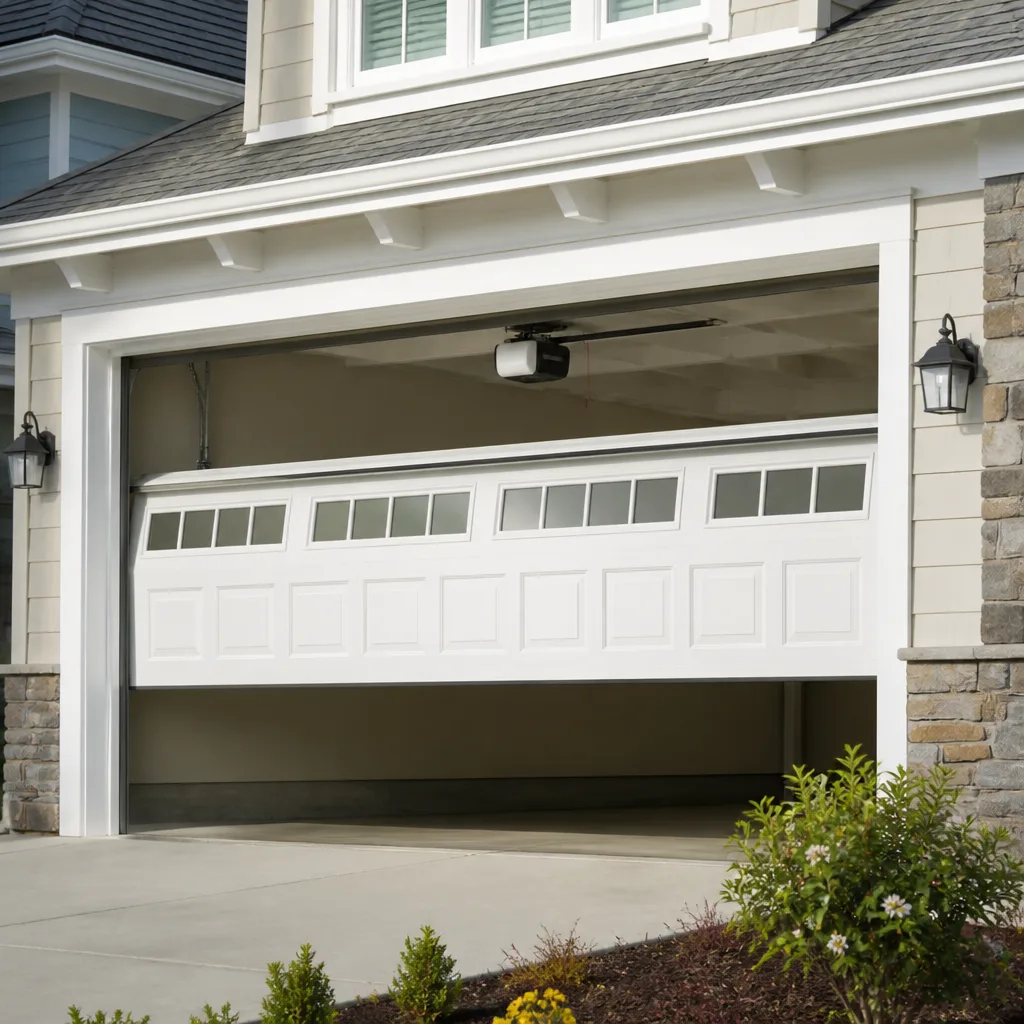 LiftMaster openers
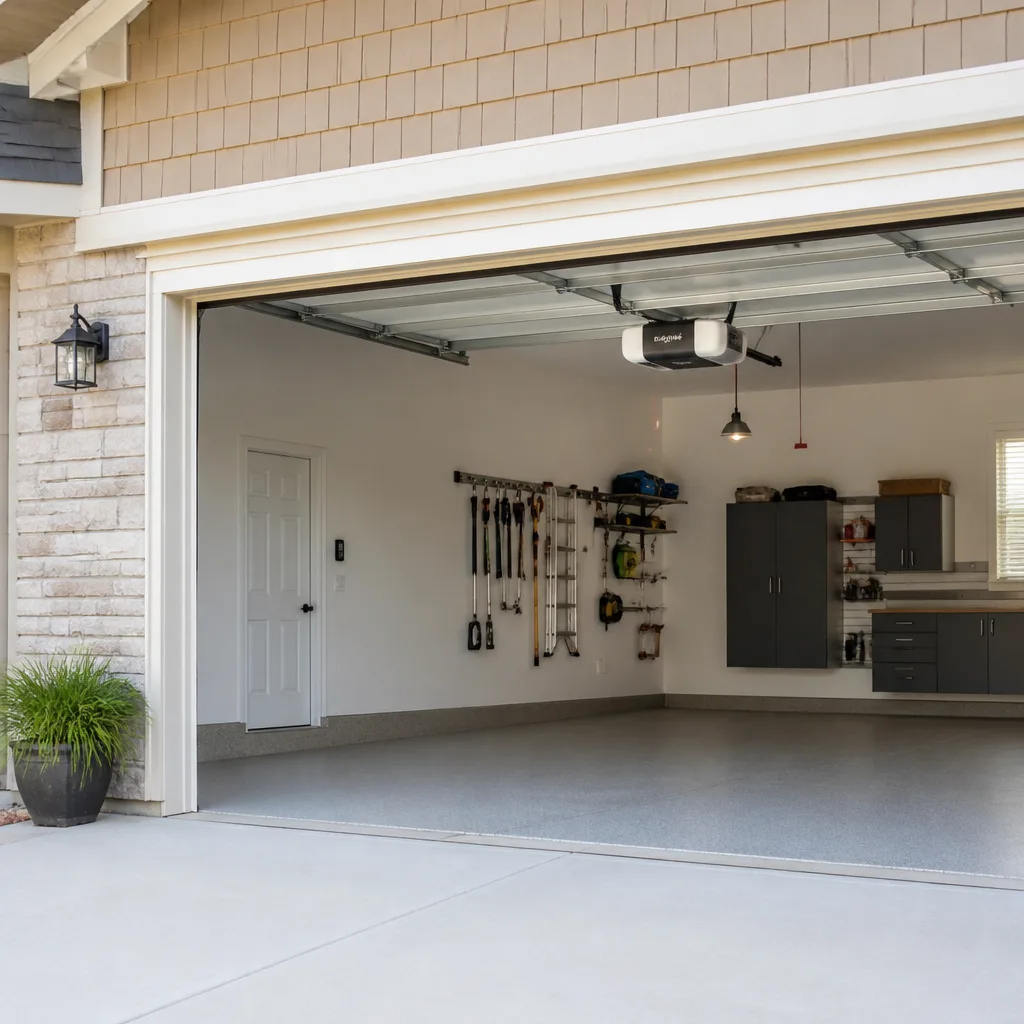 Chamberlain openers
Full 25-point door and opener safety check with every visit - springs, cables, rollers, tracks, and your LiftMaster or Chamberlain opener included
You get a price before we start. It does not change when the pro arrives.
Get your free estimateSeasonal Garage Door Care for Orland Park: Year-Round Homeowner’s Guide
The garage door spring that breaks in January usually didn’t fail in January. It failed in October, on the first night the temperature dropped forty degrees, when the steel contracted, the grease on the torsion bar stiffened, and nobody looked at the tension. That’s the part most homeowners miss: in Orland Park, garage door damage isn’t spread evenly across twelve months. It clusters into two windows – late fall and early spring – and the work you do in the quieter weeks decides what happens in those windows. This guide gives you a month-by-month care calendar built around Orland Park’s actual freeze dates, explains what sub-zero cold does to springs and weatherstripping, and covers the thaw and humidity problems that follow.
Quick Answer
Seasonal garage door care in Orland Park means concentrating your effort on two stress peaks: October through November, when falling temperatures contract springs, tracks, and seals, and March through April, when freeze-thaw cycles and frost heave shift the ground under your tracks. A balance and lubrication check in late fall and a track and seal inspection in early spring prevent most cold-weather failures. Everything else on the calendar is lighter upkeep that keeps those two inspections meaningful.
Styles & brands we work with
- Raised-panel steel
- Carriage house
- Modern flush
- Full-view glass
- LiftMaster openers
- Chamberlain openers
Table of Contents
- The Orland Park Month-by-Month Garage Door Calendar
- How Orland Park Winters Stress Springs, Track, and Seals
- The October-November Window: Your Best Insurance
- Spring Thaw, Frost Heave, and Plow Damage
- Summer Humidity and Wood Door Warping
- Opener Care Through the Seasons
- Common Mistakes to Avoid
- When to Call a Professional
The Orland Park Month-by-Month Garage Door Calendar
Orland Park sits far enough inland that it gets a real four-season cycle, with a first freeze that typically arrives in the second half of October and a last freeze that usually falls in mid-to-late April. That gives you about six months of freeze risk and six months of heat and humidity, and the door reacts differently to each. Here’s how we’d map the work across the year. Treat the freeze dates as a planning guide and check the National Weather Service forecast for the current year, since individual seasons vary.
- January – deep cold: Listen before you drive. If the door groans, hesitates, or reverses on the way down, stop and inspect. Stiff grease is common; broken springs are common too. Don’t force it.
- February – cold inspection: Check the bottom seal for cracking, clear snow and ice from the threshold, and look at the track for any bowing from ground movement.
- March – thaw watch: As the ground thaws, frost heave can push a track out of plumb. Watch for the door binding on one side or a gap at the bottom corner.
- April – post-winter service: This is the best month for a full tune-up: balance test, spring inspection, track alignment, roller check, seal replacement if the winter cracked it.
- May – hardware check: Tighten hinge and bracket bolts that loosened over winter, and lubricate rollers, hinges, and the torsion bar.
- June – opener attention: With air conditioning running and the garage staying closed more, check the opener’s safety reverse and force settings.
- July – humidity watch: If you have a wood door, look for swelling, sticking, or a door that no longer sits flush.
- August – pre-fall prep: Clear debris from the track channel and check the weatherstripping around the frame before the first cold snap.
- September – inspection: Run the balance test and check spring tension before the temperature starts dropping.
- October – pre-winter service: The most important month on the calendar. Lubricate, balance, inspect springs and cables, and replace worn seals before the first freeze.
- November – final cold check: Re-test the safety reverse and clear the threshold of leaves and grit.
- December – listen and observe: Cold-weather noises and hesitations are your early warning system. Address them before they become a January emergency.
If anything in that cycle (a binding door, a snap, a door that slams) turns into a real problem, that’s where Garage Door Repair Orland Park comes in. We connect you with vetted local professionals who work on doors and openers every day, and we’ll tell you honestly whether it needs a service call or just a screwdriver.
How Orland Park Winters Stress Springs, Track, and Seals
Cold doesn’t just make your garage feel unpleasant. It changes the physical properties of every part of the door system at once, and that’s why failures cluster in January and February.
Springs. Torsion springs are under constant tension and store energy in steel wire. Steel contracts as it cools, which effectively raises the tension and makes the wire more brittle at the same time. A spring that was already near the end of its fatigue life can snap on the first cold night. Extension springs behave the same way, and their safety cables matter more in winter because a failed extension spring can whip across the garage. Spring repair is the highest-risk job in the whole system, so treat it as a job for a trained professional, not a weekend project.
Metal contraction. The steel track, hinges, and panels contract as temperatures drop. That can open small gaps at joints, loosen bolts, and make the door run noisier. A door that ran quietly in September often rattles in January for no reason other than contraction.
Weatherstripping and seals. The rubber or vinyl bottom seal and the frame weatherstripping get stiff in the cold. Stiff rubber cracks, loses its seal, and lets cold air and snowmelt into the garage. Adhesion fails faster on the frame strip too, and a loose strip can catch a panel edge as the door travels.
Lubricant. Grease that was the right consistency in summer turns thick in sub-freezing temperatures, adding drag to rollers and the torsion bar. That drag is exactly what strains the opener and the springs on the next cold morning.
The October-November Window: Your Best Insurance
If you do one thing on this calendar, do it in October. In our experience across Orland Park, the late-fall service call is the one that prevents the most winter failures, because it catches the problems while the door still moves and the weather still cooperates. The work itself is straightforward, and a homeowner can do most of it safely with a ladder, a rag, and a tube of garage-door lubricant.
- Lubricate the moving parts. Apply a dedicated garage-door lubricant to the rollers, hinges, and the torsion bar. Avoid grease that thickens in cold or WD-40, which is a solvent and not a long-term lubricant.
- Run the balance test. Disconnect the opener with the release handle, lift the door halfway, and let go. A balanced door holds its position. A door that drops or rises on its own is out of balance, and that’s a sign the springs need attention.
- Inspect the springs visually. Look for a visible gap in a torsion spring, or a stretched or kinked extension spring. Don’t touch a spring under tension, and don’t try to adjust one yourself.
- Check the bottom seal. Look for cracks, a flattened edge, or gaps at the corners. Replace a stiff, cracked seal before it freezes solid.
- Clear the threshold. Rake leaves, grit, and debris out of the track and off the threshold. Frozen debris is a common cause of a door that won’t close all the way.
- Test the safety reverse. Put a piece of wood or a brick on the threshold and close the door. It should reverse on contact. If it doesn’t, the opener needs adjustment.
That checklist takes an afternoon and covers the failures we see most often. If the balance test fails or you find a damaged spring, stop and call us – garage door spring repair is a job for a trained technician, and it’s one we connect you with routinely.
Spring Thaw, Frost Heave, and Plow Damage
March and April are the second stress window, and they’re the one most homeowners forget. When the ground thaws after a hard northern Illinois winter, water in the soil expands and contracts, and that movement can push the ground under your door frame. In Orland Park, frost heave is a real cause of track misalignment and threshold damage.
Frost heave and tracks. The vertical tracks on each side are anchored to the ground. If the concrete slab or the soil beside it shifts during thaw, a track can lean out of plumb. The symptoms are a door that binds on one side, a visible gap at the bottom corner, or a door that runs but scrapes. A misaligned track strains the opener and can eventually bend a panel.
Threshold seal damage. Snowplows pushing snow along the curb and driveway edge can catch the threshold seal or the bottom of the door itself. Inspect both after the last storm of the season. A torn bottom seal lets water in during spring rain, and standing water at the garage threshold is exactly how you get rust at the bottom panel.
Water intrusion. Thawing snowmelt is more water than most people expect. If your garage floor is wet each spring, the bottom seal or the threshold is the likely culprit, and it’s worth fixing before summer storms arrive. A new seal is inexpensive and does more for a dry garage than almost anything else.
Summer Humidity and Wood Door Warping
Orland Park summers bring humid stretches that affect wood garage doors differently than steel or aluminum ones. Wood absorbs moisture from the air, and a wood door that was flat and true in April can swell and warp by August.
What to watch for:
- Sticking or binding. A door that rubs on one side or needs a nudge to close is often a swollen panel or a frame that has taken on moisture.
- Panel bowing. Look down the door from the side. A bowed panel means the wood has absorbed water and the finish has failed somewhere.
- Paint and stain failure. Peeling, cracking, or blistering finish is the first sign moisture is getting into the wood. Repair the finish before the wood itself is affected.
- Delamination. If you have a wood-composite or veneered door, check the edges for layers separating. That’s a sign the door may be approaching replacement.
Steel and aluminum doors handle humidity better, but the bottom edge is still vulnerable where water collects. If you have a wood door and the warping is already causing binding or a gap you can’t close, that’s a repair conversation, and possibly an installation one. For a door that’s beyond adjustment, garage door repair is the right starting point, and a technician can tell you whether repair or replacement makes more sense. If the door is salvageable, a tune-up and refinish will often get several more seasons out of it. If not, we connect you with professionals who handle new installation and can talk through the brands they know well, including Clopay, Amarr, and Wayne Dalton.
Opener Care Through the Seasons
Your opener has its own seasonal rhythm, and the two most common times for opener trouble are the first cold snap and the first hot stretch. Understanding why helps you know when to call for garage door opener repair rather than just living with the problem.
Cold-weather opener strain. In January, the opener is fighting stiff grease, contracted metal, and a stiffer door, all at once. If the opener was already near its limit, that’s when it gives out. The symptoms are a door that reverses partway down, a motor that sounds labored, or a door that stops and won’t respond until you press the button again.
Hot-weather opener strain. In summer, the door is easier to lift, but heat can affect the opener’s force settings and the logic board. If your opener has smart features, the app can sometimes report a fault before the door fails, so pay attention to those notifications.
Brand-specific quirks. We connect you with technicians who are trained on 8 of the most common brands: LiftMaster, Chamberlain, Genie, Clopay, Amarr, Wayne Dalton, Craftsman, and Raynor. That matters because the smart-home ecosystem (LiftMaster and Chamberlain with the myQ app) has different troubleshooting steps than a legacy Craftsman or a Genie unit. A technician who knows your brand doesn’t spend the first hour of a service call learning it.
Seasonal opener checklist:
- In October, lubricate the door’s moving parts so the opener isn’t overworked in cold weather.
- In November, test the safety reverse and the force settings.
- In April, clear any debris from the opener’s rail and check the belt or chain tension.
- In June, clear the opener’s safety sensor lenses so summer sun and dust don’t cause false reverses.
- Year-round, replace the remote battery before it fails, not after.
See the difference
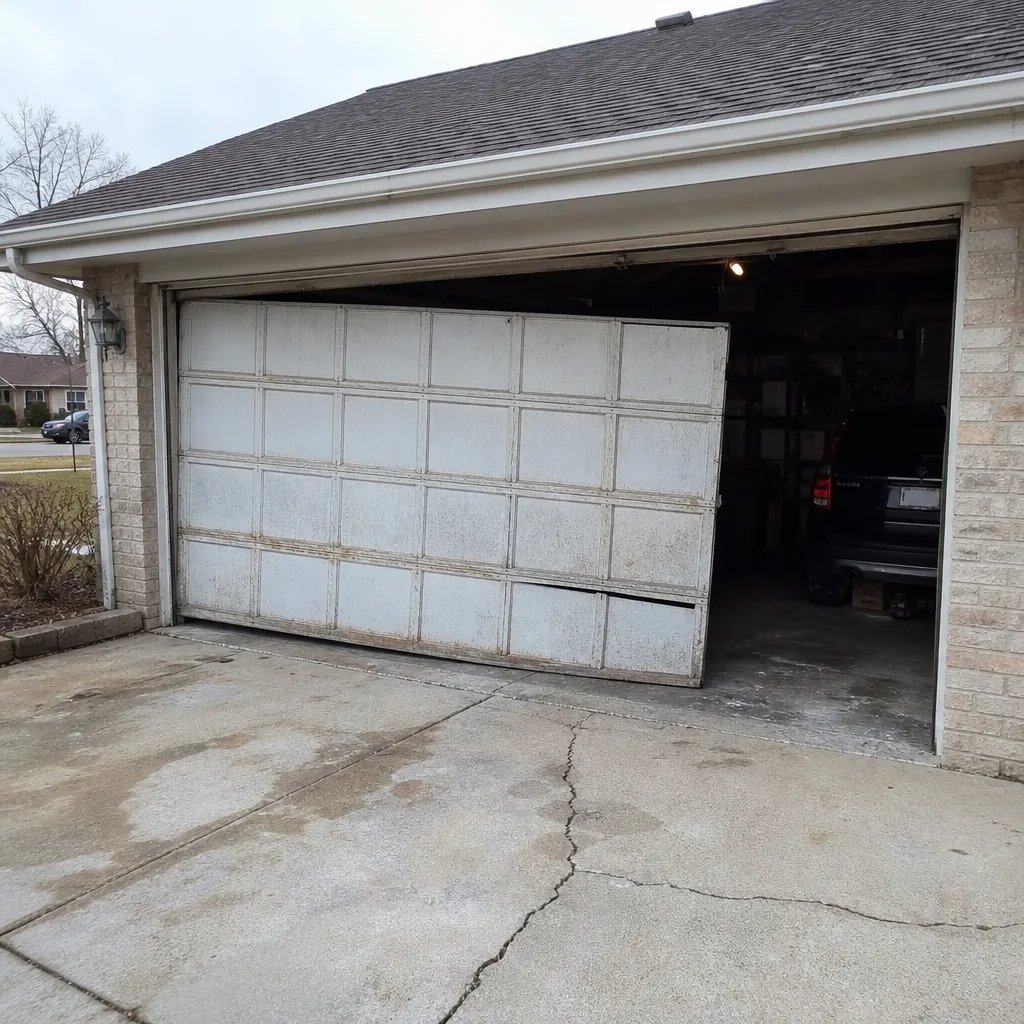 Before
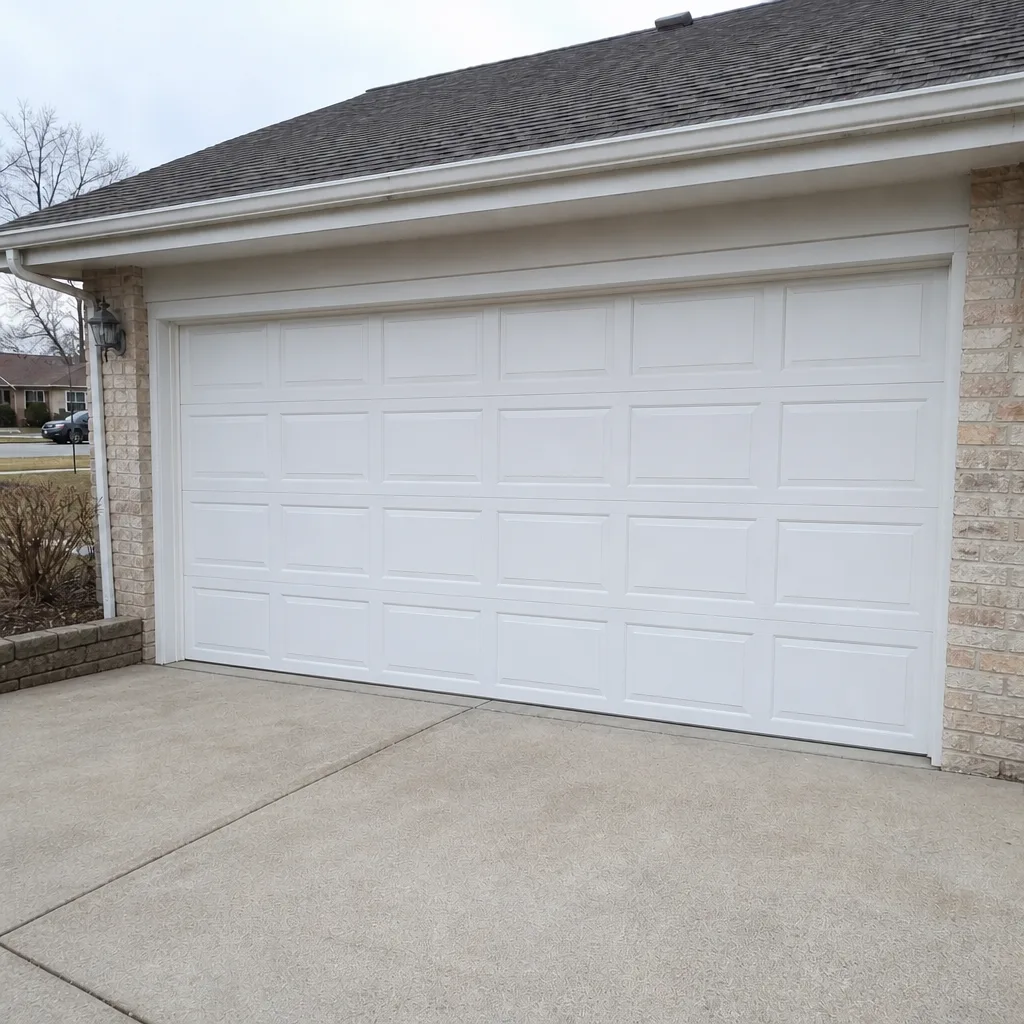 After
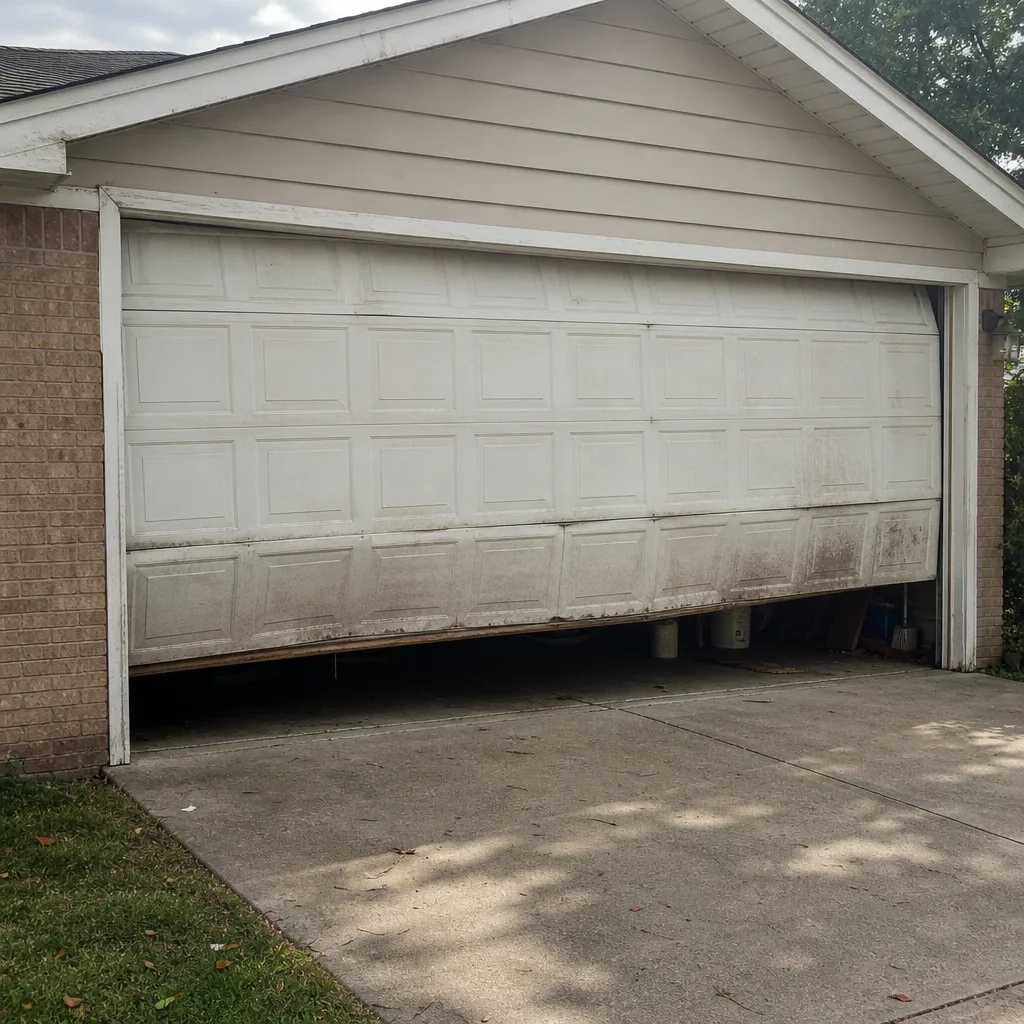 Before
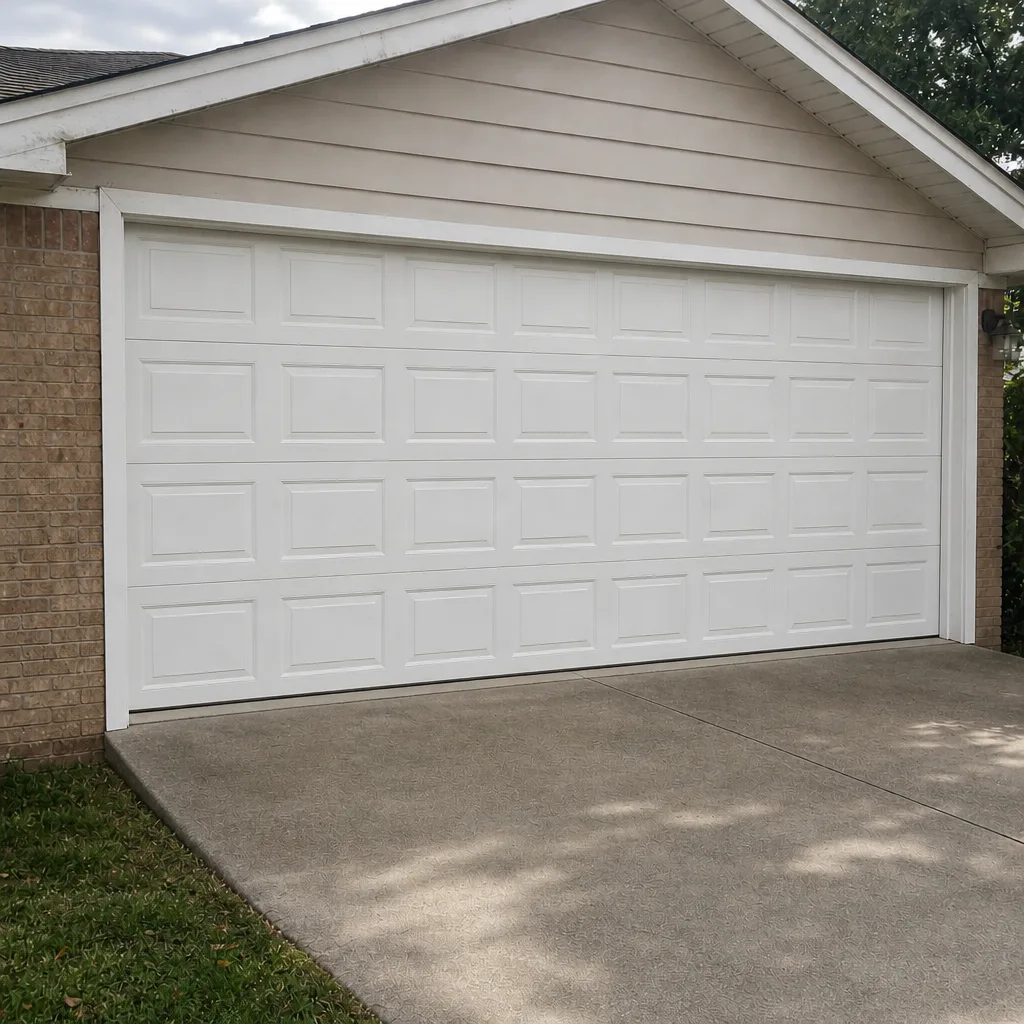 After
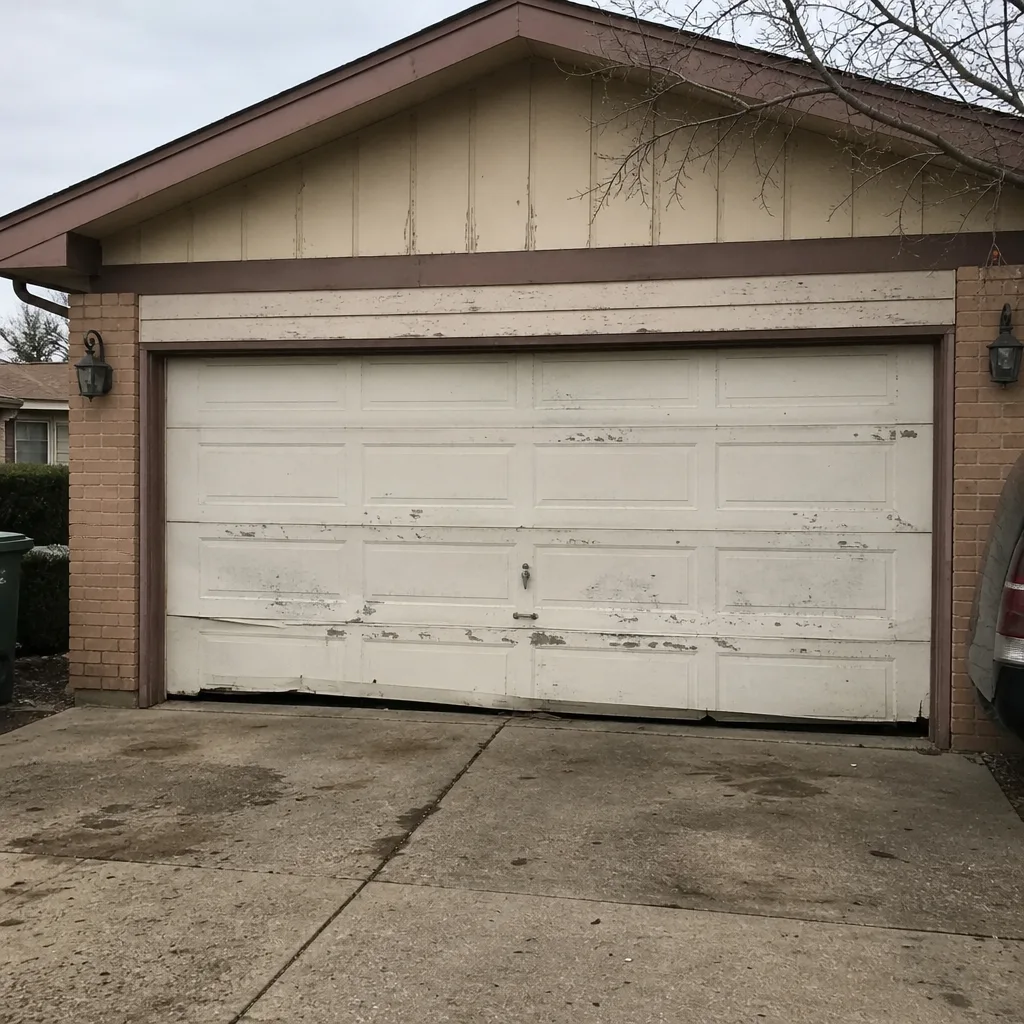 Before
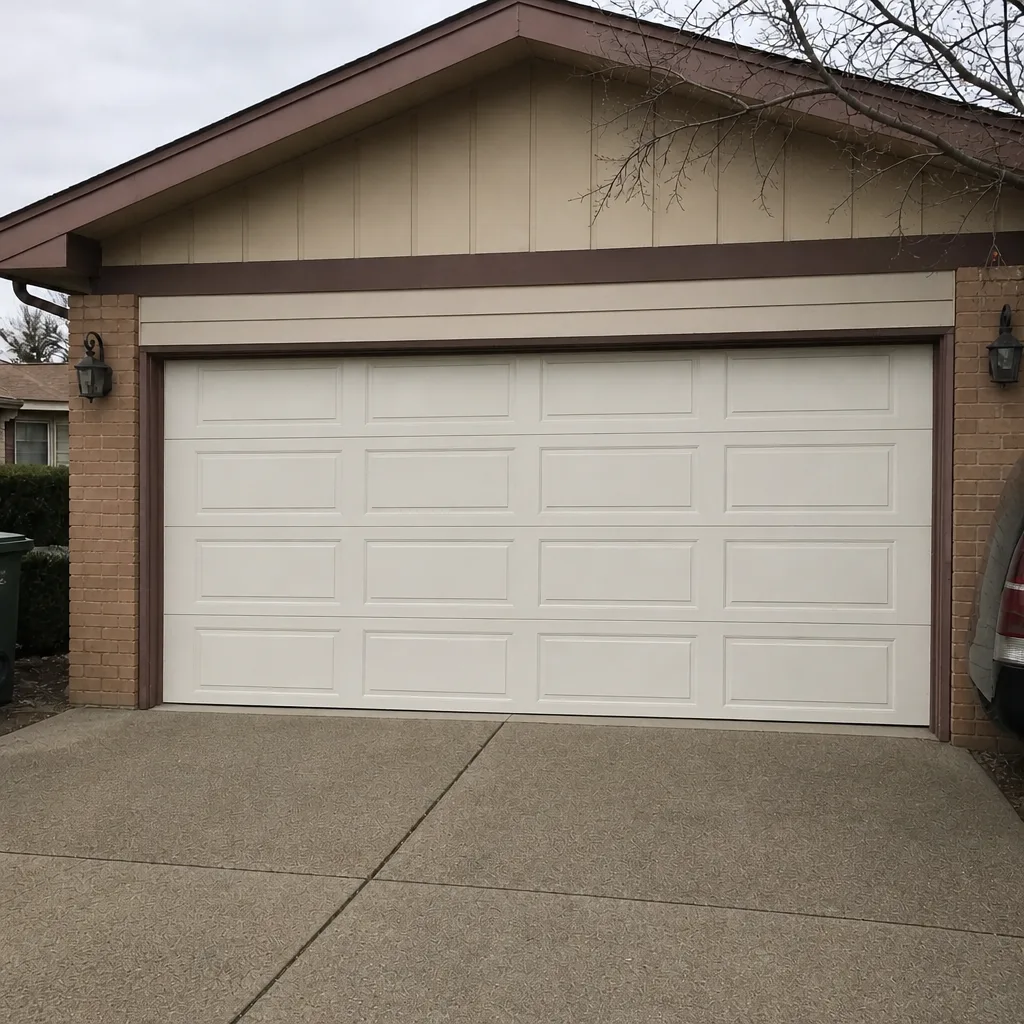 After
Common Mistakes to Avoid
- Waiting for a symptom instead of scheduling the fall check. By the time a door groans or hesitates in January, the wear has already happened. The October check is the intervention, not the emergency.
- Using the wrong lubricant. WD-40 is a solvent, not a lubricant, and thick grease stiffens in the cold. Use a garage-door-specific lubricant and apply it in the fall before the freeze.
- Ignoring a small track misalignment after the thaw. A track that’s slightly out of plumb in March will wear the rollers and strain the opener all summer. Fix it in April, not July.
- Forcing a frozen door open. If the door is stuck after an ice storm, don’t yank it. The opener’s force setting may try to compensate and damage the panels or the opener itself.
- Assuming a wood door only needs paint. In Orland Park’s humid summers, a failing finish leads to warping and binding. Recoat before the wood absorbs moisture, not after.
- Over-tightening hinges after a cold snap. Some winter noise is just contraction. Over-tightening bolts on a contracted door can crack a hinge or strip a bolt when the metal expands again in spring.
- Skipping the safety reverse test. It’s the single most important safety check on the whole system, and it’s easy to forget once the door is running normally.
When to Call a Professional
Some jobs are homeowner-friendly: lubrication, debris clearing, seal inspection, and the balance test. Others aren’t, and it’s worth being clear about the line. Call a professional if a spring is broken, if the door is out of balance, if a cable is frayed or off its drum, if a track is bent or out of plumb, if the door has come off the track, or if the opener reverses, smokes, or won’t respond to the remote. Springs and cables are under extreme tension and are genuinely dangerous to handle without the right tools and training; don’t try it yourself. If the door is stuck open, stuck closed, or sitting crooked after a storm, that’s an emergency call, and it’s worth making right away rather than waiting. Garage Door Repair Orland Park offers free estimates in Orland Park – call (855) 658-4224 for a quote, or to be connected with a local professional who can come out and take a look.
Frequently Asked Questions
Schedule the main service in October, before the first freeze, and a follow-up inspection in April after the thaw. Those two dates line up with the biggest stress windows in Orland Park’s climate. If you can only do one, do the October service – it prevents the most winter failures.
Cold temperatures stiffen the lubricant on the rollers and torsion bar and cause the steel to contract, so the door runs noisier and harder. A fall lubrication and balance check usually quiets it down for the season. If the noise is a bang or a snap, stop using the door and have it inspected.
Yes. Freezing and thawing soil can shift the ground around the vertical tracks, and a track that leans out of plumb will make the door bind or scrape. In Orland Park, this shows up most in March and April. A technician can realign the track and check the anchors.
Look for sticking, binding, or a panel that bows when you sight down the door from the side. Failing paint or stain is usually the first visible sign. Address it in early summer before the wood absorbs more moisture and the binding gets worse.
You can safely apply lubricant to the torsion bar and the visible parts of the spring without adjusting tension, but never try to adjust or remove a spring yourself. Springs are under extreme tension and can cause serious injury. If a spring looks broken or the door is out of balance, call a professional.
Check the bottom seal, the threshold, and the track for snow, ice, or plow damage before you run the door. Clear any debris and look for a gap or a bent track. If the door won’t close all the way or runs crooked, call for service rather than forcing it.
Yes. Lubricate the door in October so the opener isn’t overworked in cold weather, test the safety reverse in November, and clear the rail and sensor lenses in spring. Opener trouble clusters around the first cold snap and the first hot stretch, so those are the times to pay attention.
The Bottom Line
Orland Park garage doors don’t wear out evenly. The damage happens in two windows – late fall, when contraction and stiff grease strain every part of the system, and early spring, when thaw and frost heave shift the ground under your tracks. Build your year around those windows: lubricate and balance in October, inspect seals and tracks in April, and keep the lighter summer and winter checks on the calendar. Handle the homeowner-friendly tasks yourself, but leave springs, cables, and track realignment to a trained technician. Our technicians have up to 8 years of experience, and when the door won’t move, we connect you with a local professional who can get out and take a look. Call (855) 658-4224 for a free estimate and to schedule your seasonal service.
Written by the team at Garage Door Repair Orland Park.