Last updated November 22, 2026
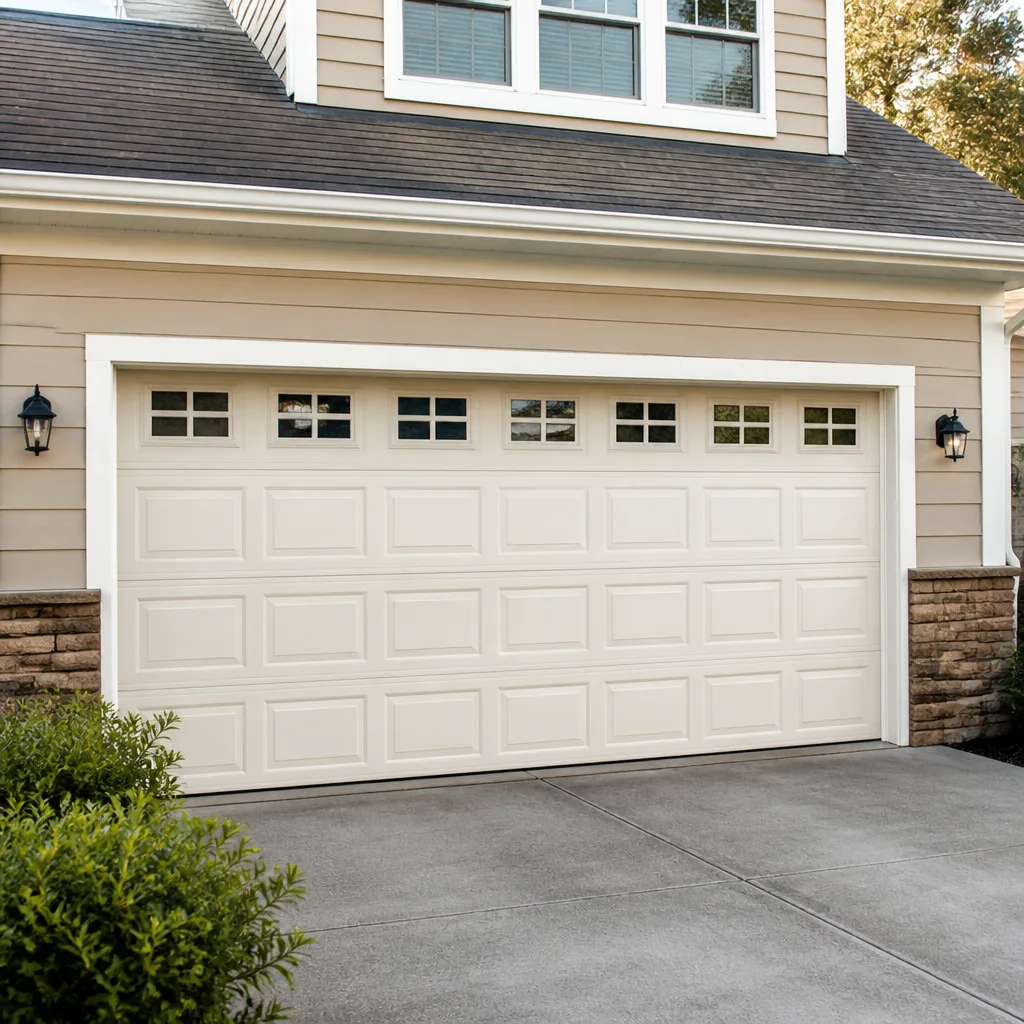 Raised-panel steel
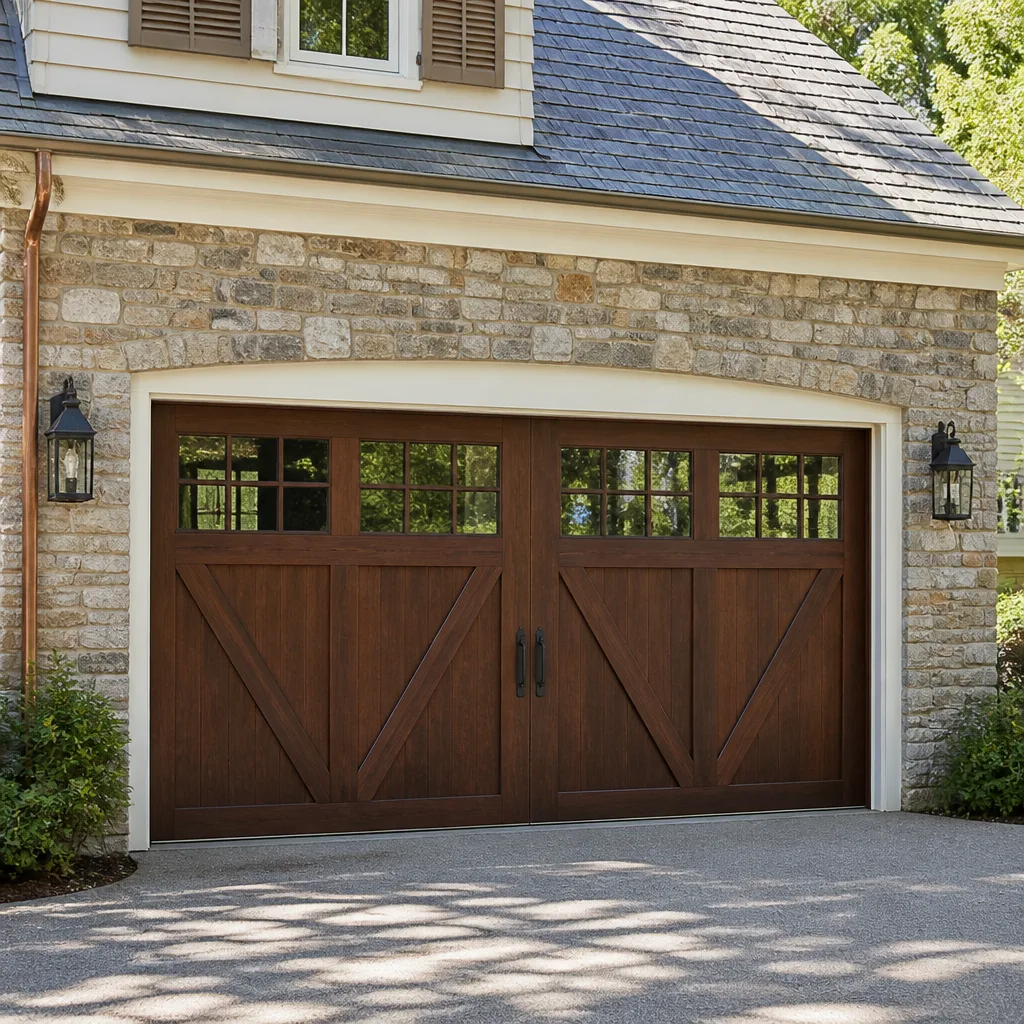 Carriage house
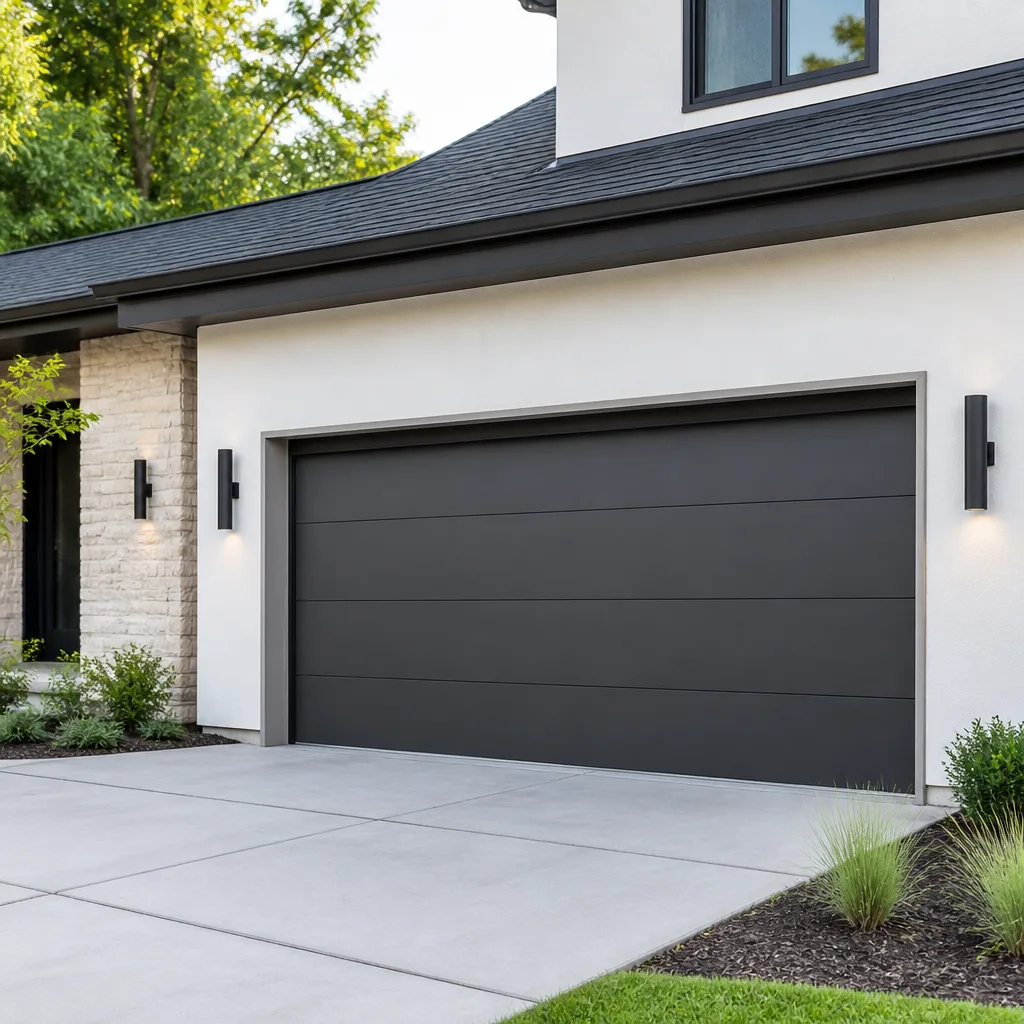 Modern flush
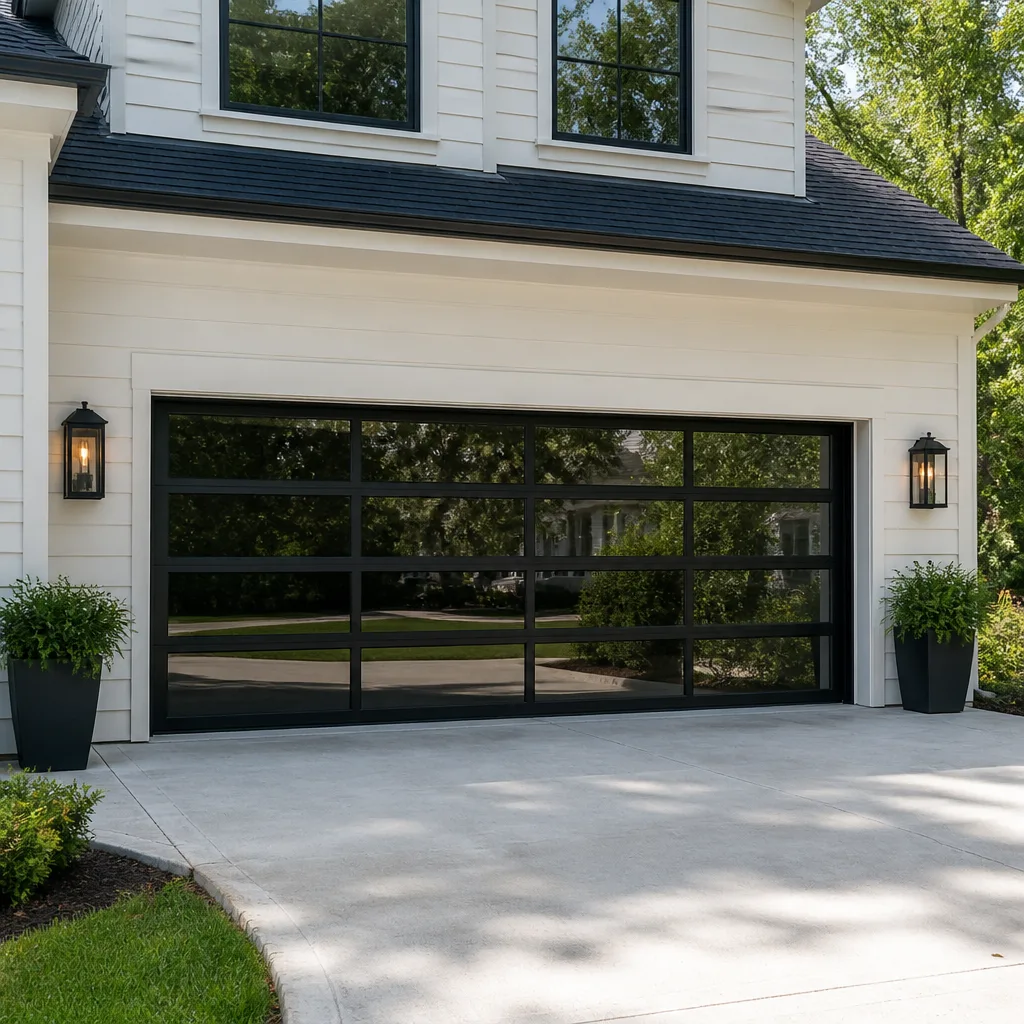 Full-view glass
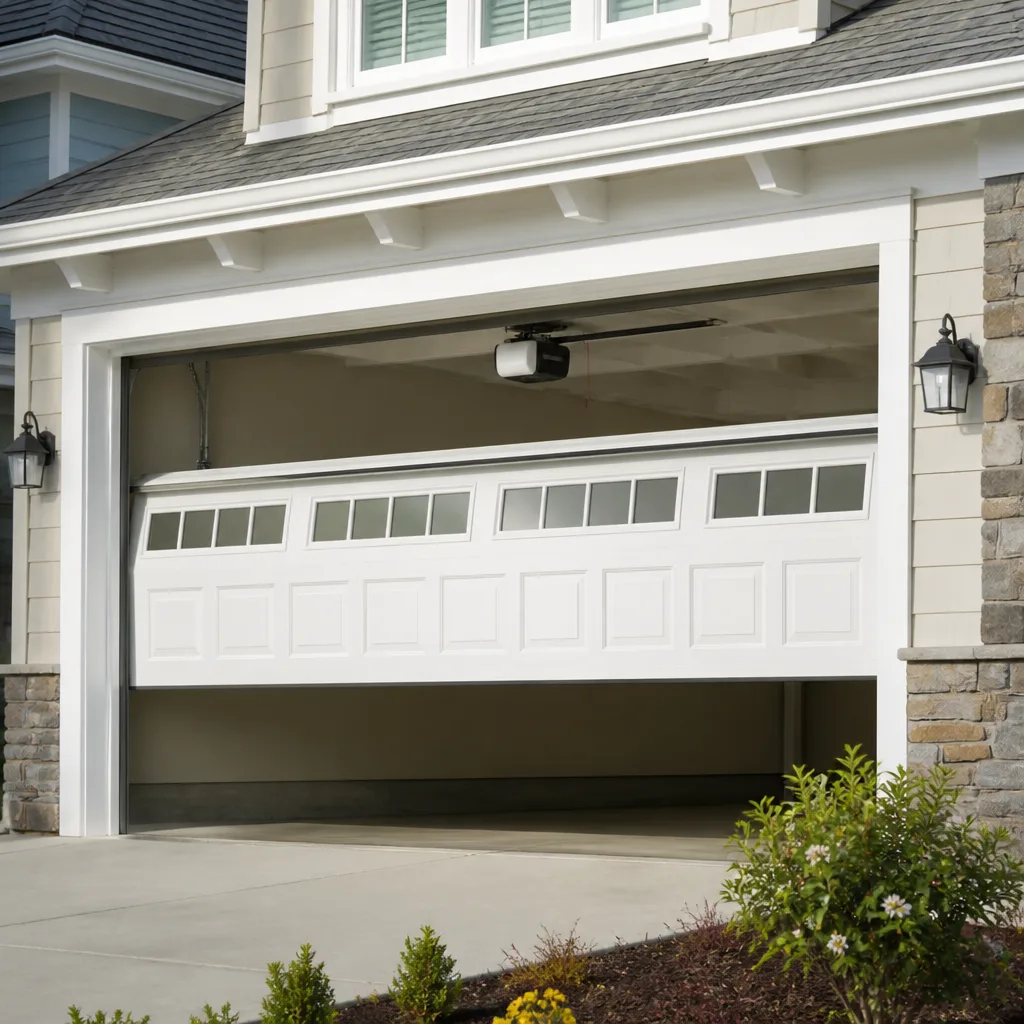 LiftMaster openers
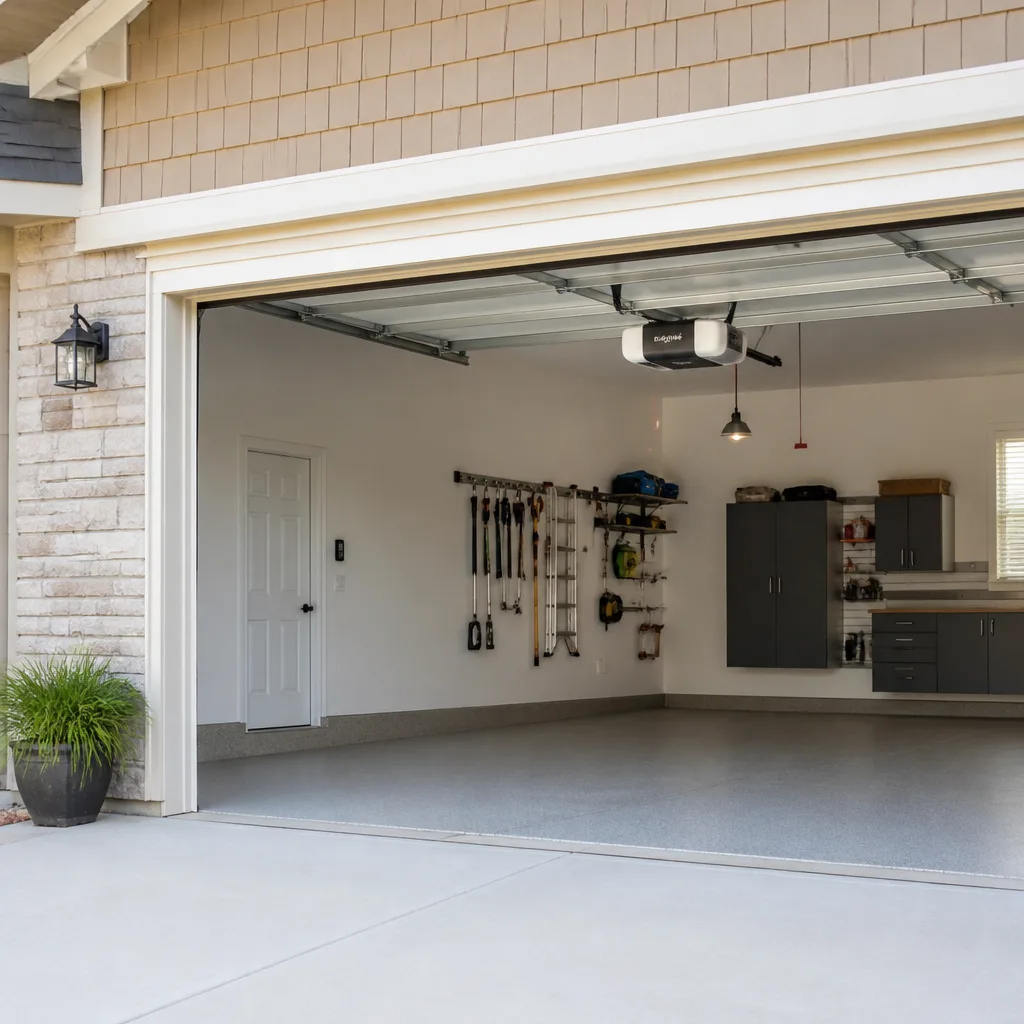 Chamberlain openers
Full 25-point door and opener safety check with every visit - springs, cables, rollers, tracks, and your LiftMaster or Chamberlain opener included
You get a price before we start. It does not change when the pro arrives.
Get your free estimateDIY vs Professional Garage Door: The Orland Park Homeowner’s Decision Guide
Most garage door advice splits into two useless camps: “never touch it, call a pro” or “YouTube it and save a bundle.” Neither helps you decide. The real answer depends on which part failed. A torsion spring stores enormous energy when it’s wound, and that energy can release in a fraction of a second if a cable slips during a careless adjustment. That’s a different risk category entirely from changing an outlet or patching drywall. A noisy roller, a misaligned photo eye, or a stiff hinge is a weekend task almost any careful homeowner can handle. This guide draws the line task by task, so you know exactly where Orland Park DIY makes sense and where it becomes a bad trade.
Quick Answer
Springs, cables, and anything involving the counterbalance system are professional-only work because a single mistake can cause serious injury. Routine maintenance, safety-eye alignment, roller and hinge swaps, weather seal replacement, and most opener programming are genuinely safe for a capable homeowner. The dividing line isn’t your confidence level – it’s whether the task involves stored mechanical energy or high tension.
Styles & brands we work with
- Raised-panel steel
- Carriage house
- Modern flush
- Full-view glass
- LiftMaster openers
- Chamberlain openers
Table of Contents
- Why garage doors are different from other home repairs
- Tasks that are safe for DIY in Orland Park
- Tasks that need caution and the correct tools
- Tasks you should not attempt, and the mechanical reason why
- Tools for real DIY maintenance vs. specialized pro equipment
- Sourcing correct parts and avoiding counterfeit hardware
- Illinois liability and insurance after a self-repair
- The cost math: when DIY saves and when it costs more
Why Garage Doors Are Different From Other Home Repairs
A garage door is the largest moving object in most homes, and it’s balanced by tension. That’s the whole difference. When you patch drywall or swap a faucet, the worst outcome is a mess and a second trip to the store. When a garage door’s counterbalance fails, the door can come down fast and hard. Roughly 100 foot-pounds of torque lives in a wound torsion spring, held in check by a cable and a set of drums. That’s not a lot to look at. It’s plenty to break a wrist or worse.
Orland Park homes deal with this in a way that homeowners in milder climates don’t. Our winters swing between freeze and thaw for months, and that cycle works on every moving part. Grease stiffens in January. Metal contracts and expands, and the fasteners that hold your track brackets loosen a fraction at a time. Doors that ran smoothly in October start to shudder by February. That seasonal stress is why maintenance matters here more than the owner’s manual suggests.
The other reason garage doors are different is the safety reversal system. Every opener sold since the early 1990s is required to reverse when it meets an object, and the photo eyes at the bottom corners are part of that system. A door that closes on a child, a pet, or a bicycle is not a theoretical risk. When a door behaves strangely, the first question isn’t “how do I fix it” but “is the safety system still working.” That order of thinking is what separates a smart homeowner from a lucky one.
None of this means you can’t work on your door. It means the work sorts into categories, and the categories are not about skill. They’re about stored energy.
Tasks That Are Safe for DIY in Orland Park
These jobs involve no stored spring tension and no need to get under a raised door. If you’re reasonably handy and you read the manual, they’re within reach. Doing them yourself keeps a small problem small and saves a service call.
- Lubricating rollers, hinges, and the torsion bar bearings. A few drops of garage door lubricant on each hinge pivot and a light coat on the torsion bar once or twice a year cuts noise and reduces wear. Skip the bearing plates if they’re plastic, and never use WD-40 as a long-term lubricant; it attracts dust.
- Testing and aligning the safety photo eyes. If the door won’t close and the opener light blinks, a misaligned or dirty photo eye is the usual cause. Wipe the lenses, check that both LEDs are solid, and nudge the brackets until they line up.
- Replacing weather seals and bottom rubber. The bottom rubber and the perimeter seal on Orland Park doors take a beating from ice and grit. A new bottom seal slides into the retainer with no tools beyond a screwdriver and some patience.
- Reversing-test checks. Place a two-by-four flat on the floor under the closing door. If the door doesn’t reverse on contact, stop and call a technician. This is a two-minute test, not a repair, and it’s the most important check on the whole door.
- Tightening visible track and bracket bolts. Loose lag bolts on the track brackets are a common source of rattle. Snug them by hand. Don’t move the track itself; that’s a different job.
- Programming remotes and keypads. New remotes for a LiftMaster or Chamberlain opener pair in a minute or two with the manual in front of you. Same for most Genie systems.
- Replacing opener batteries and resetting the travel limits on a modern opener. If the door stops short or closes too far, the travel settings are usually adjustable from the opener head with the manual’s directions.
One caution that applies to every item above: never stand under or reach beneath a door that’s partly open if you haven’t verified it’s held by a working counterbalance. A door with a broken spring can drop. Do these jobs with the door fully closed.
Tasks That Need Caution and the Correct Tools
These jobs are doable for a confident homeowner, but they carry real risk if done wrong or done with the wrong parts. Read the whole manual first. If anything in the process makes you uneasy, that’s your signal.
Replacing rollers and hinges is a good example. Switching to nylon rollers cuts noise noticeably on a busy Orland Park door. The catch is that each hinge swap requires you to relieve the tension on the door’s weight for that section, and the sections are under load. Doing one hinge at a time with the door fully closed is the safe method; never swap hinges with the door open. If you replace the hinges that hold the top section, that’s a different set of forces and worth a call.
Adjusting the opener’s force and travel settings sits right on the edge. Getting the limits right makes the door close flush. Getting them wrong can leave the door pressing hard on whatever’s underneath or stopping short and re-opening all night. The manual spells out the procedure, and modern openers will usually reset from the head unit.
Resetting a door that has come off its track is where we see the most self-repair trouble in Orland Park. A door off-track is a door that’s already failed under load. Pushing it back into the track by hand can bend a section or send the door crashing. If it’s more than a roller that popped out of a bent bracket, leave it.
If you’re not sure whether a job belongs in this list or the next one, it belongs in the next one.
Tasks You Should Not Attempt, and the Mechanical Reason
This is the part most DIY advice handles badly. These tasks carry a physical risk that no amount of confidence can offset. They require specialized tools, a controlled way to release stored tension, and the experience to know when a part is about to fail.
- Torsion spring replacement or adjustment. A wound torsion spring is under enormous tension. Releasing and re-winding it requires winding bars and an understanding of the winding cone and set screws. If the bar slips out mid-wind, it will spin – and your hands are right next to it. This is the single biggest reason we treat garage door spring repair as professional-only work.
- Extension spring work. Older doors with extension springs along the horizontal track are equally dangerous. When one breaks without a containment cable, it becomes a projectile. Never operate a door with extension springs that lack safety cables.
- Cable replacement. The lift cables are under the same tension as the springs they’re connected to. A cable that slips from its drum can whip through the garage. Cables and springs are related; treat cable work exactly like spring work.
- Replacing the bottom bracket or any part the cable passes through. The bottom bracket sits under tension even when the door is closed. Homeowners have been seriously injured removing it.
- Replacing the torsion tube or center bearing plate. This means pulling the springs off the tube and re-mounting the whole assembly. It’s a multi-person job with proper supports.
- Repairing a bent track that the door rides in. A bent vertical track is a symptom of a misaligned door, not a cause. Forcing the track back into shape can cause the door to bind and come off.
What you should do instead is check the door with the opener disconnected and the door fully closed. A trained technician can identify a broken spring in a minute because the door feels very heavy when lifted by hand with the release cord pulled. That’s your one diagnostic, and it’s safe. Call for the repair.
It’s also worth knowing that broken springs are one of the most common reasons a homeowner in Orland Park searches for garage door repair in the first place. When that happens, the fix is a technician’s job, and it’s usually a single visit.
Tools for Real DIY Maintenance vs. Specialized Pro Equipment
If you want to do the safe tasks yourself, a modest set of tools covers almost all of it. Here’s what actually earns space in the garage.
- A socket set and screwdriver set for brackets, hinges, and bottom seal retainers
- A set of garage door lubricant, not general-purpose grease
- A tape measure and a level for checking alignment
- A two-by-four for the reversal test
- Work gloves and safety glasses
- The owner’s manual for your opener (Genie, LiftMaster, and Chamberlain all publish theirs online by model number)
The tools you should not buy for garage door work tell you something important: a set of winding bars. Buying winding bars makes professional work look accessible. It is not. The bars exist because a spring has to be held in a controlled way while you work, and the margin for error is measured in how fast your hand moves.
Beyond winding bars, professional technicians carry spring containment equipment, door supports, a way to safely remove and reinstall the torsion tube, and impact drivers for heavily rusted fasteners. When an Orland Park homeowner encounters a bottom bracket that hasn’t moved in fifteen years, the right tools are the difference between a five-minute job and a broken knuckle.
Sourcing Correct Parts and Avoiding Counterfeit Hardware
The single biggest cause of a DIY repair that fails is the wrong part or a counterfeit one. Garage door hardware is one of the categories where cheap knock-offs flood online marketplaces. A counterfeit hinge can fatigue and snap under load. A fake spring can shatter.
The safest process is a numbered one:
- Find the model or serial plate on your door’s frame or the opener head. Write it down.
- Match the part number exactly, not the brand name on the packaging.
- Buy from the manufacturer’s own parts channel, a local door distributor, or a recognized specialist supplier. Skip marketplaces where the seller has no verifiable history.
- For springs, know that they’re matched to door weight and height. A spring for a 7-foot door won’t work on an 8-foot door. Springs also come in different wire sizes. Get the exact specifications.
- Test-fit before final installation. If a replacement hinge or roller doesn’t sit flush on the first try, stop. Forcing it damages the section.
Orland Park has a lot of homes built in the 1990s and 2000s, and those doors tend to use parts from Craftsman, Clopay, Raynor, and Wayne Dalton. A Raynor door’s track brackets are not the same as a Clopay’s, and the model numbers matter. When in doubt, call us. We work with those brands every week and can confirm a part number in a couple of minutes.
If the problem is really the opener – the door opens fine but the motor runs oddly or the remote doesn’t connect – garage door opener repair is usually a fast diagnosis. Many opener issues are programming, not hardware, and a quick conversation can save you a purchase.
Illinois Liability and Insurance After a Self-Repair
This is the question almost nobody thinks about until something goes wrong. It’s worth understanding in general terms.
If you own a home in Orland Park and you repair your own garage door, you are the responsible party. If a door you repaired comes down on a delivery driver, a guest, a contractor, or a family member, your homeowner’s insurance is the policy on the hook. Insurers can, and sometimes do, question whether negligence was involved. A garage door that was repaired by someone untrained is one of the scenarios where coverage can be complicated. This is general insurance reality, not a prediction about any specific claim; if you want the specifics for your own policy, ask your insurer.
If you hire a professional, the liability sits with them for the work they performed. That’s the main reason most homeowners prefer to have springs and cables handled by an experienced technician – not because they couldn’t figure out the process, but because of what happens after a failure.
Two sensible habits regardless of who does the work:
- Keep the years’ worth of receipts and any written records of who did what, and when.
- Retest the safety reversal and the photo eyes every few months. If a self-repair breaks the reversal system, stop using the door until it’s fixed. A door that won’t reverse can injure a child and no repair is worth a disabled safety system.
None of this is meant to be scary. It’s just the honest picture. Springs and cables belong to the pros for this reason; a roller swap is fine on your own.
The Cost Math: When DIY Saves and When It Costs More
DIY saves money on tasks where the parts are simple, the labor is quick, and the correct tools are already in your garage. It can cost far more on anything that involves the counterbalance system, because a botched repair often damages more than it fixed.
Here’s the honest way to think about it, without specific dollar figures since those change with the part and the season.
- Roller and hinge replacement, seal replacement, photo eye alignment: DIY saves a service call on each. The parts are inexpensive and the job is short. This is real savings.
- Opener remote programming and travel reset: DIY saves almost all of the cost. Modern openers are designed for owner adjustment.
- Spring and cable replacement: DIY saves nothing once you factor in the risk, because the risk is not priced in. There’s also the practical reality that a spring replacement needs matched springs and correct winding, and an incorrect set can strain the opener enough to burn it out.
- A door that’s come off-track: DIY repairs here are the most expensive in our experience, because a homeowner force-fitting a door back into a bent track often bends a section. Then you’re paying for a section and a track, not just a repair.
The one DIY job that costs the most over time isn’t a repair at all. It’s skipping maintenance. A door that gets an annual lubrication and a reversal test doesn’t just run quieter; it holds adjustment better, and the fasteners don’t loosen. If you’d like the maintenance handled along with an inspection, we’re glad to do it. The written estimate sets the final price before any work starts.
If you’re seriously considering a new door because of a structural issue with the old one, the decision shifts from DIY-vs-pro to repair-vs-replace. That’s a measurement and ordering job, not an emergency fix. A free measure and a written price come first.
Common Mistakes to Avoid
- Adjusting the spring by eye instead of by specification. A spring set to the wrong tension runs the door too fast or strains the opener. The correct tension depends on the door’s rated weight, not on what looks level.
- Using your finger to test the reversing system. Use a two-by-four or a brick. The photo eye and the reversal system will be tested every few months, so having a safe way to do it matters.
- Assuming a noisy door needs new parts. Most Orland Park door noise in winter is stiff grease or a dry hinge. Lubricate first. Only replace if the noise survives.
- Buying a cheaper aftermarket roller that isn’t rated for the door’s weight. A roller that fails while the door is moving can jam the mechanism and take out a section.
- Ignoring a loosened bracket because it “still works.” A loose bracket in a freeze-thaw climate often means a fastener that’s pulled out of the frame. Snug it correctly now, before the track loses alignment.
- Replacing a whole opener when the issue is a broken spring. A door that’s suddenly heavy will overwhelm a healthy opener. Diagnose the door first; the motor is often fine.
- Calling for emergency service with the door already taken apart. If a professional has to reassemble what you started, you pay for their diagnosis of a door in pieces. Leave the door as-is if you’ve stopped.
If you’re already past the DIY line and the door won’t move, our team can help. We service LiftMaster, Chamberlain, Genie, Clopay, Amarr, Wayne Dalton, Craftsman, and Raynor systems, which covers most of the doors we see in Orland Park.
See the difference
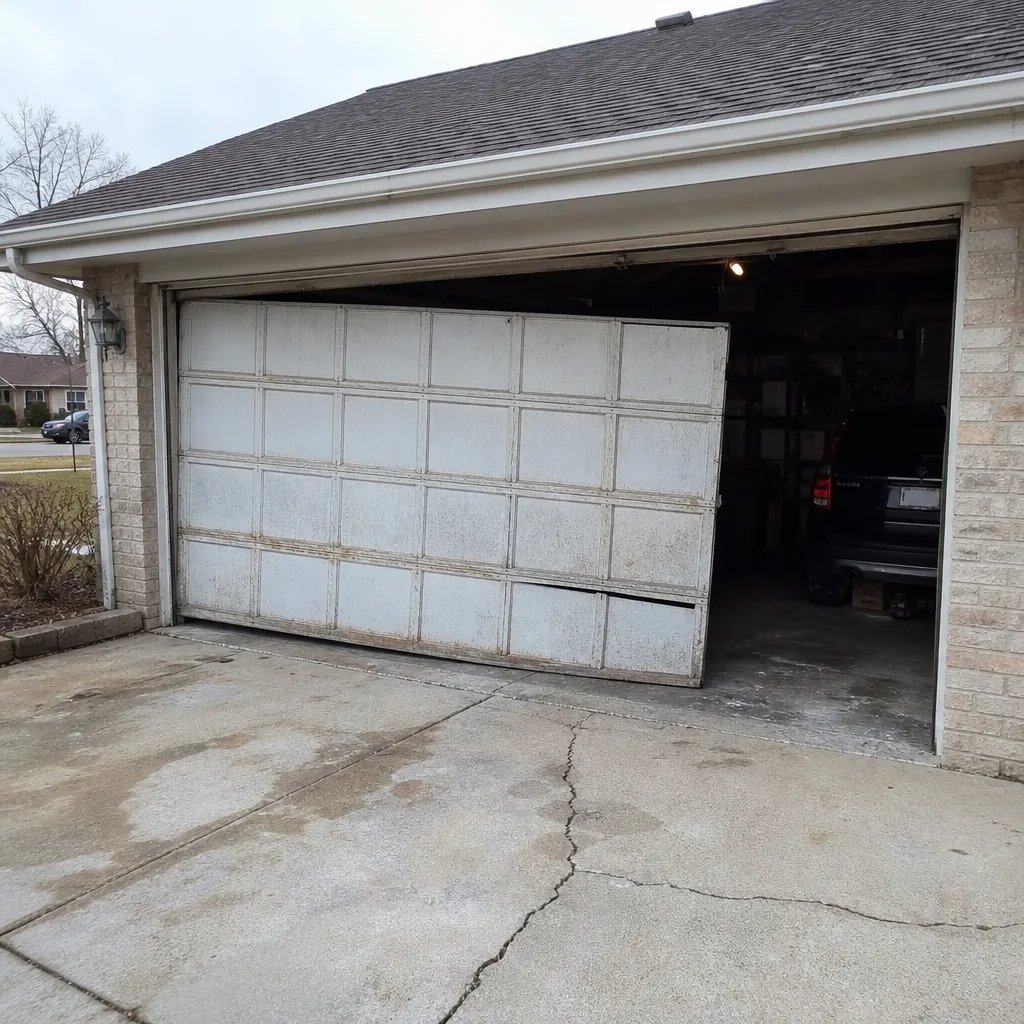 Before
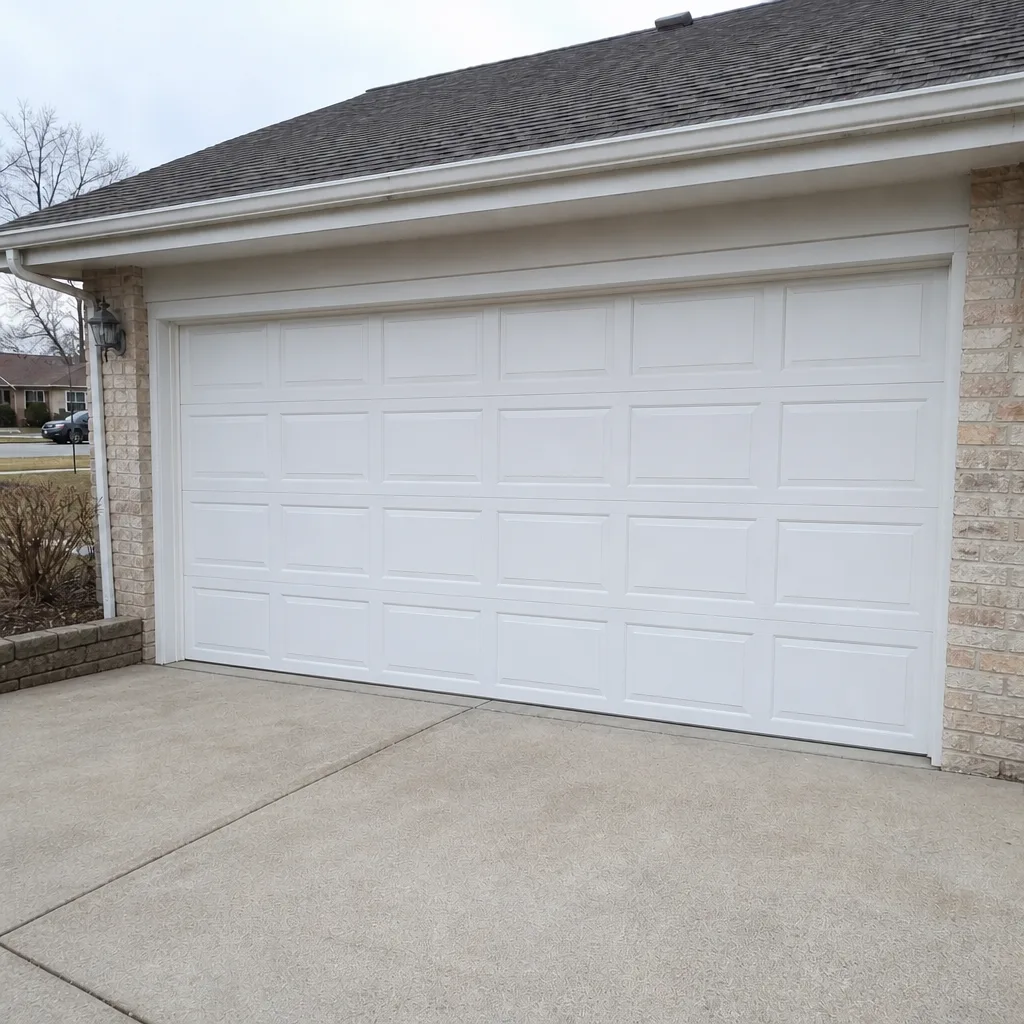 After
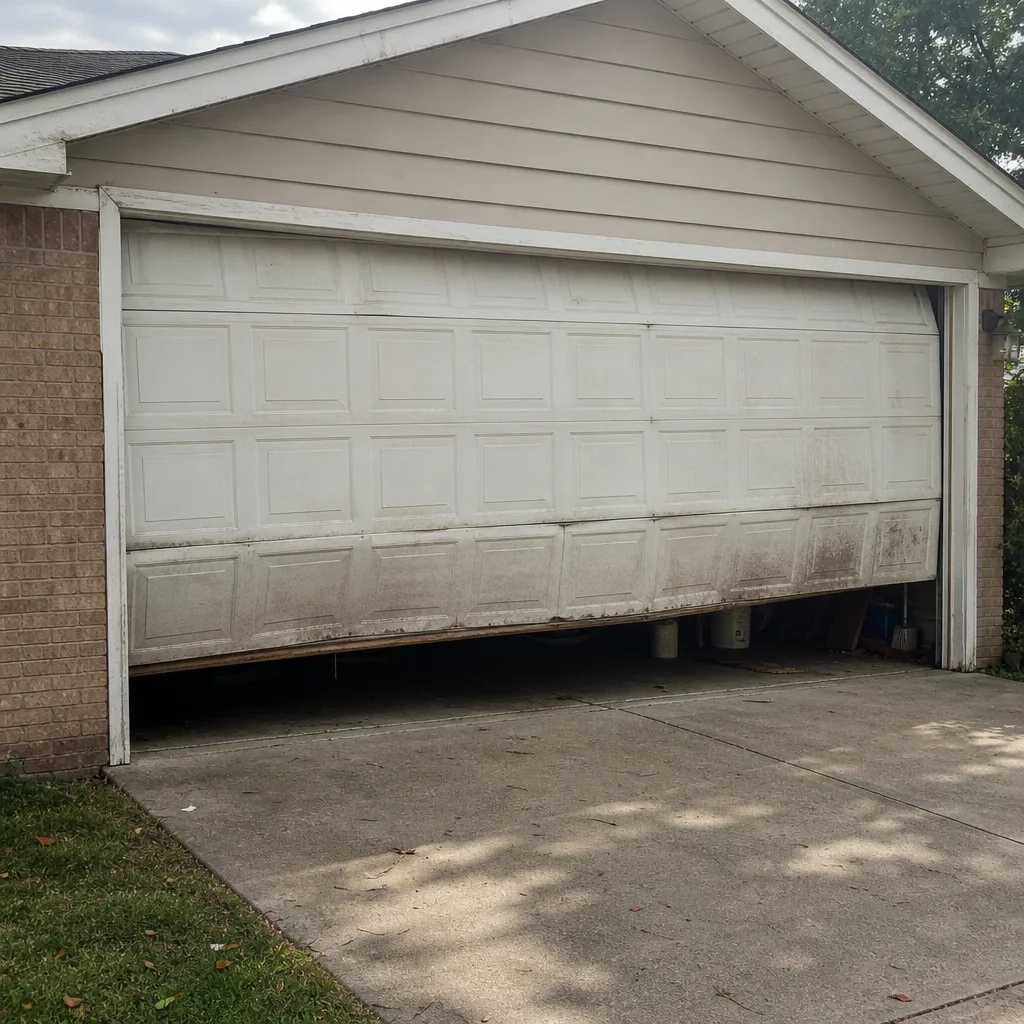 Before
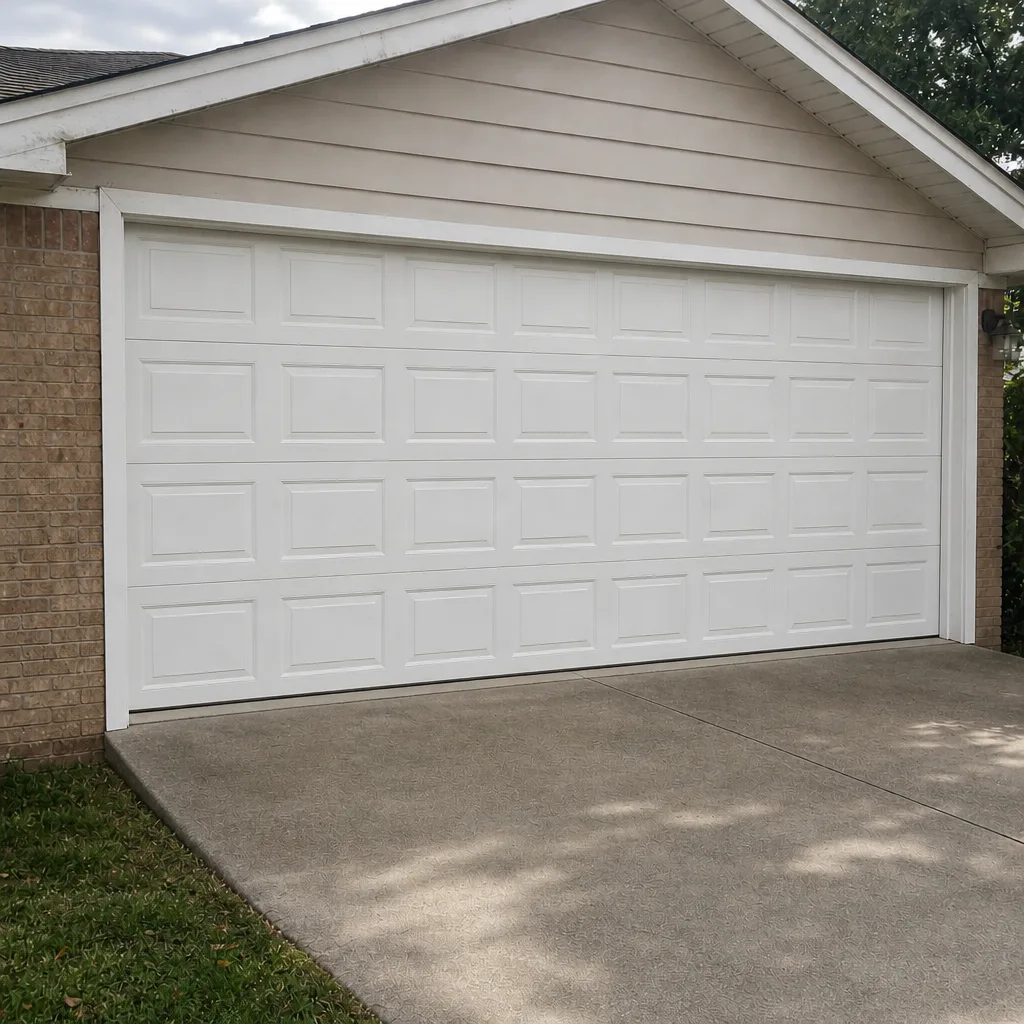 After
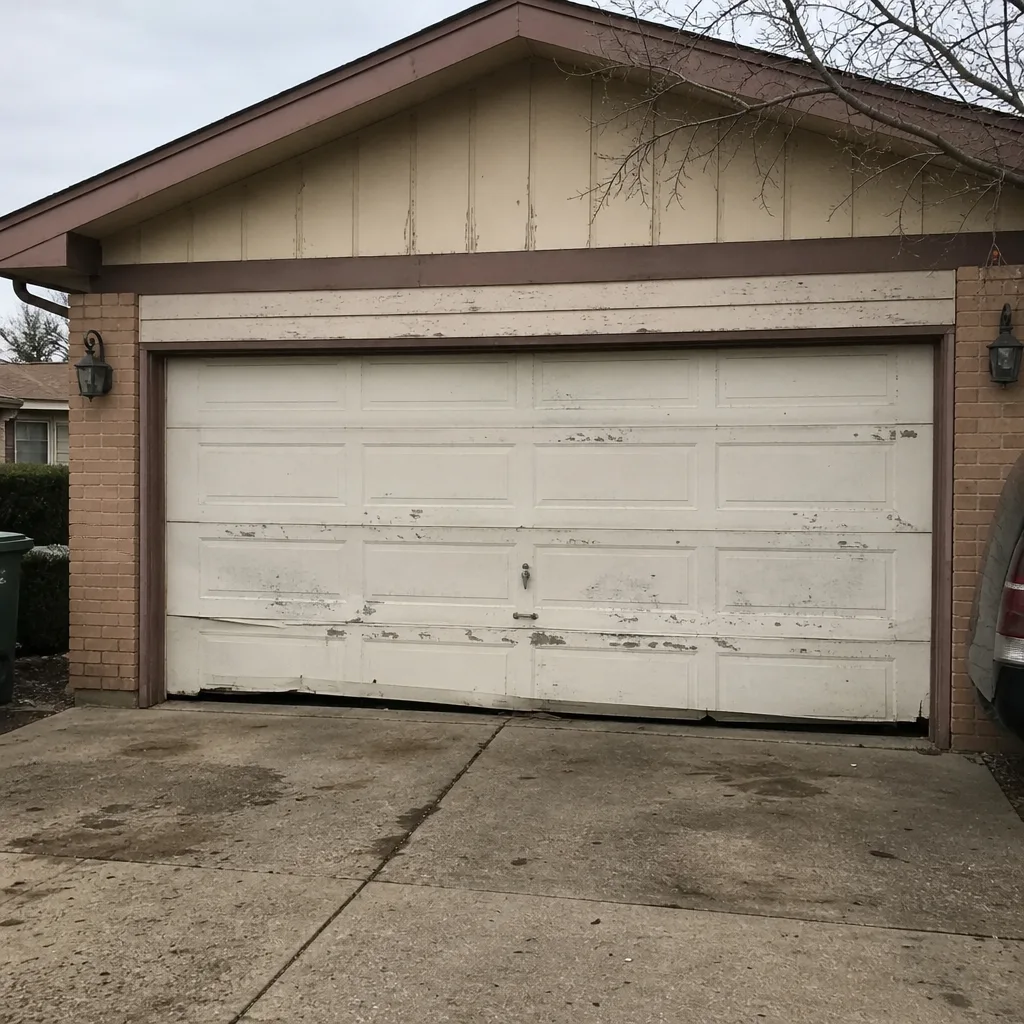 Before
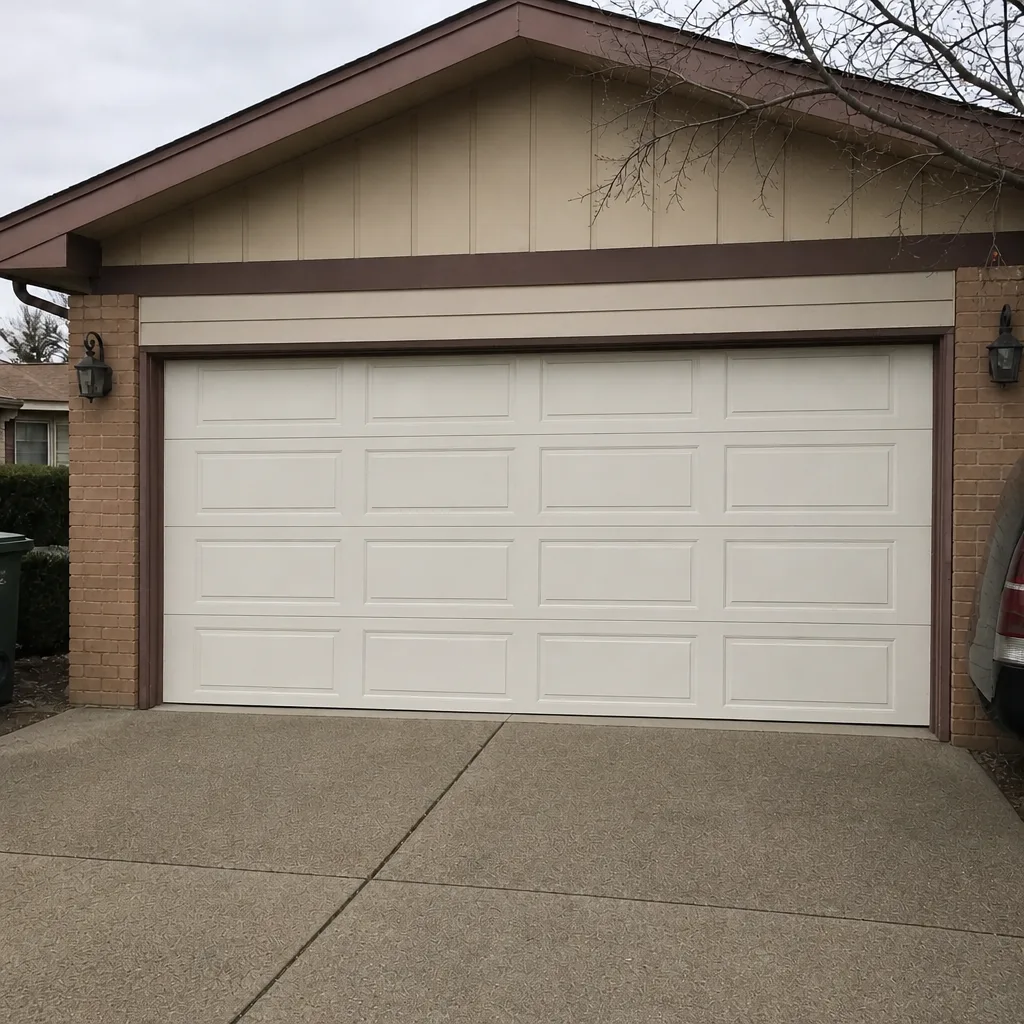 After
When to Call a Professional
Call when the counterbalance is involved: a door that’s suddenly heavy, a snap you heard from the garage, a spring with a visible gap, a cable hanging loose, or a door off its track. Call if the safety reversal fails, if the door comes down on its own, or if the opener runs but the door doesn’t move. Those are the signals that the problem is beyond safe DIY. If you’re on the fence about a repair, the professional diagnosis is free and the written estimate sets the final price before any work starts. Garage Door Repair Orland Park offers free estimates in Orland Park – call (855) 658-4224 to get on the schedule or to talk a problem through. Our technicians have up to 8 years of experience and are familiar with the makes common in Orland Park garages.
For a door that’s completely stuck – open, closed, or off-track – emergency service is a real option. When the door won’t move, having someone on the way beats waiting. You can read more about the full repair range on our garage door repair page, or look at emergency dispatch details there. If it’s the opener specifically, garage door opener repair is a dedicated service, not an afterthought. And for the more dangerous jobs covered in this guide, garage door spring repair is exactly where we’d walk you through the options. For everything else, our main Garage Door Repair Orland Park page collects all of it.
Frequently Asked Questions
Yes, for maintenance tasks. Lubricating hinges, swapping rollers and weather seals, aligning photo eyes, and programming remotes are all safe homeowner jobs that save the cost of a service call. It isn’t worth it for springs, cables, and off-track repairs, where the risk is high and the correct tools aren’t in a typical garage. Call (855) 658-4224 if you’re not sure which category a job falls into.
No. A wound torsion spring stores roughly 100 foot-pounds of torque, and releasing that energy incorrectly can cause serious injury. Correct replacement also requires matched springs for your door’s weight and height, plus winding bars and containment equipment. Leave spring repair to a trained technician – call (855) 658-4224 for a free estimate.
Ask one question: does the job involve the spring, the lift cables, the bottom bracket, or the torsion tube? If yes, it’s a pro job. If it involves a roller, hinge, weather seal, photo eye, or opener setting, it’s usually safe for a capable homeowner. The release cord test is the safest first check: pull it, lift with the door fully closed, and if it feels heavy, stop and call.
No. At Garage Door Repair Orland Park, the written estimate sets the final price before any work starts. The technician diagnoses in person, quotes the repair in writing, and gets your approval before touching the door. Estimates are free and there’s no obligation. Call (855) 658-4224 to get an exact quote.
Start with the manufacturer’s own parts channel or a local door distributor. Bring the door’s model plate or the opener’s model number and match part numbers exactly. Avoid marketplace sellers who can’t verify their stock; counterfeit hardware is a real problem in this category. If you’re not sure of the part number, call us and we’ll help you confirm it.
Homeowner’s insurance is the policy on the hook if a door you repaired injures someone, but the insurer can question whether negligence was involved. A door repaired by an untrained person is one of the scenarios where coverage can be complicated. Have your insurer walk you through the specifics of your own policy. For safety-critical repairs, having a trained technician do the work puts the liability on their work instead.
We offer emergency service for exactly this situation, and a door that’s partially disassembled is exactly what that service is for. If the door is stuck open, stuck closed, or off-track, call (855) 658-4224. Leave the door as-is, don’t try to force it, and we’ll get someone out to assess.
Forcing a door back onto a bent track. A door off its track is usually the result of a spring or cable failure, and pushing it back can bend a section and turn a repair into a replacement. The second most common mistake is skipping the reversal test after any repair. That test is two minutes and is the single most important check on any garage door.
The Bottom Line
The line between safe DIY and professional-only work is drawn by stored energy, not by skill or confidence. Rollers, hinges, weather seals, photo eyes, lubrication, and opener programming are yours to handle. Springs, cables, bottom brackets, torsion tubes, and off-track doors are not. When a job could go badly – and springs can go badly in a fraction of a second – the smart choice is to invite a trained technician in. Our technicians have up to 8 years of experience with the brands that dominate Orland Park garages. If you’d like an honest opinion about whether a repair is a homeowner job or a pro job, give us a call. The estimate is free, and the price is agreed before any work starts.
Get a Free Estimate on Your Garage Door
Whether you’re picking up where a DIY repair left off or you’d rather have a professional handle the work from the start, we can help. Call (855) 658-4224 for a free estimate on repair, spring replacement, opener work, or a new door installation. Estimates are free, and we quote in writing before any work begins. Emergency service is available when the door won’t move. We service LiftMaster, Chamberlain, Genie, Clopay, Amarr, Wayne Dalton, Craftsman, and Raynor systems for homeowners across Orland Park.
Written by the team at Garage Door Repair Orland Park.