Last updated November 22, 2026
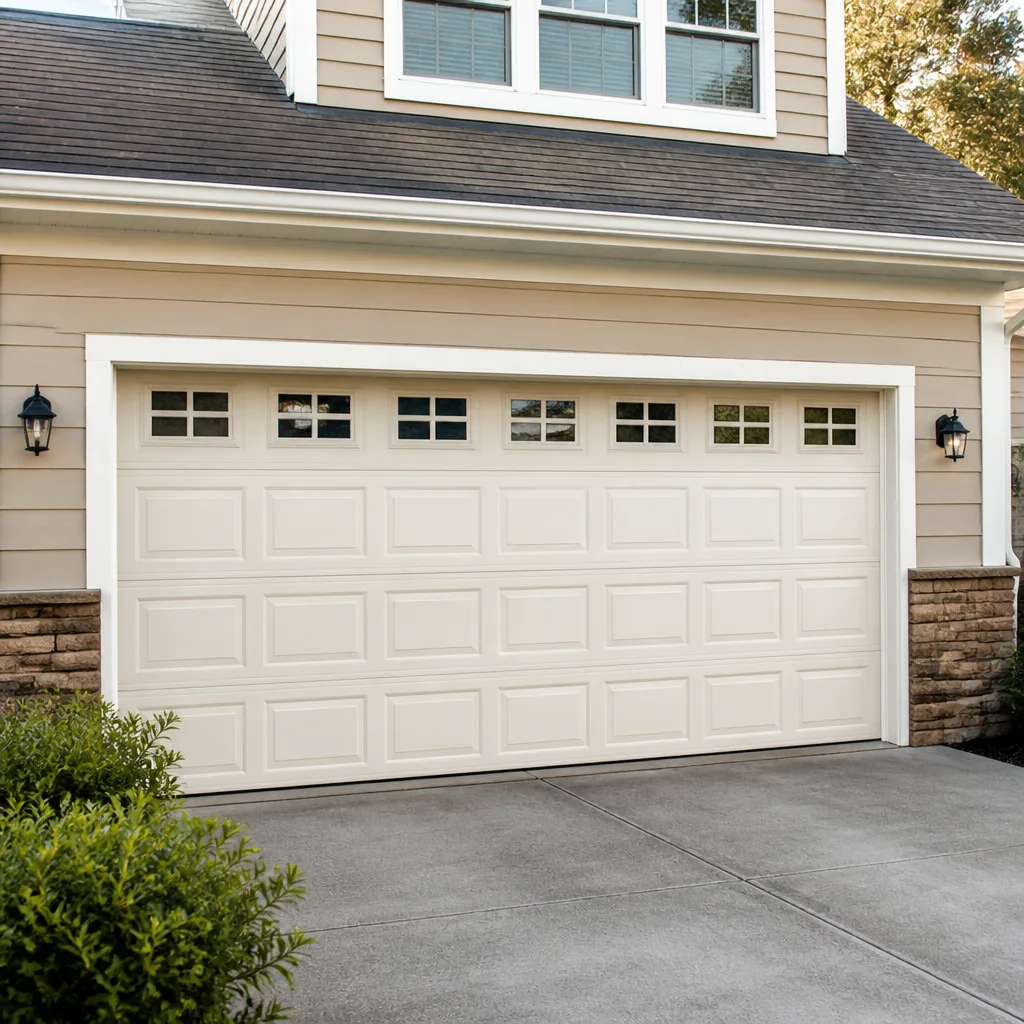 Raised-panel steel
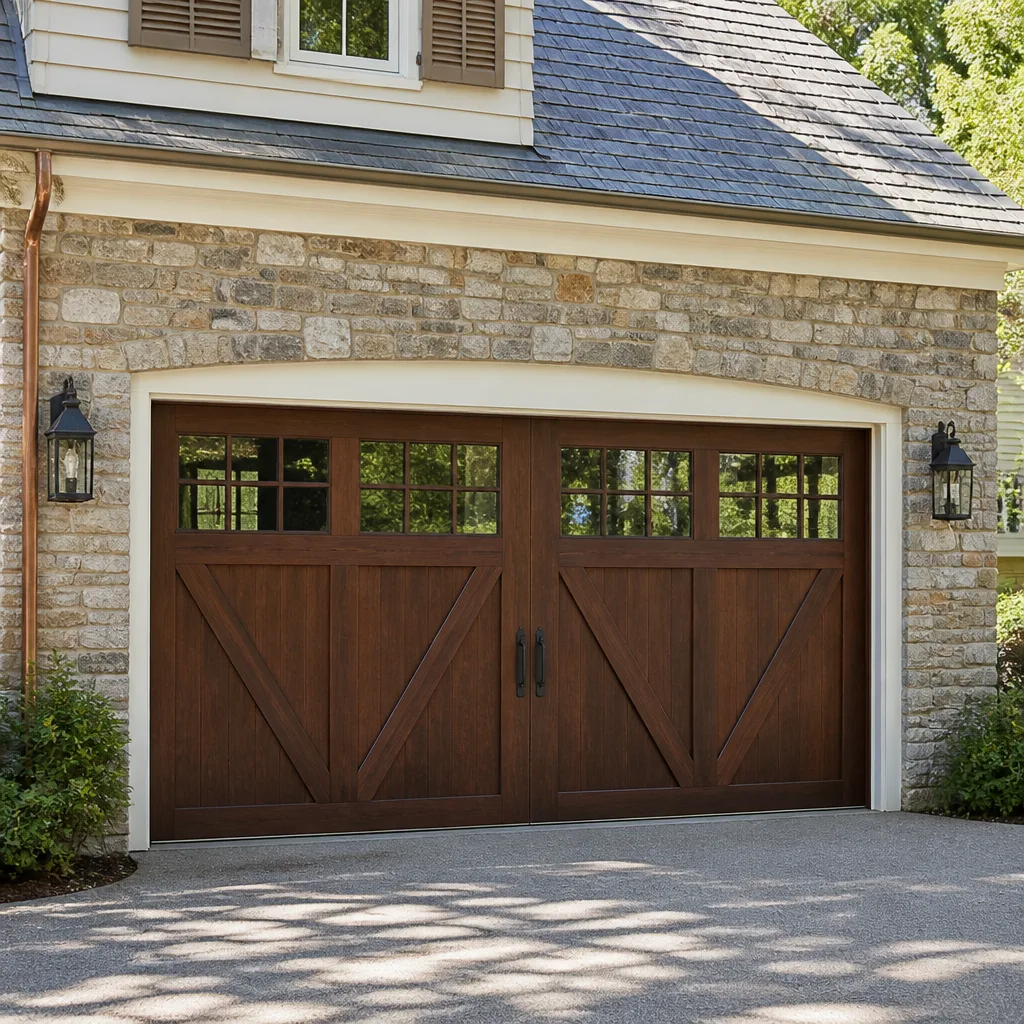 Carriage house
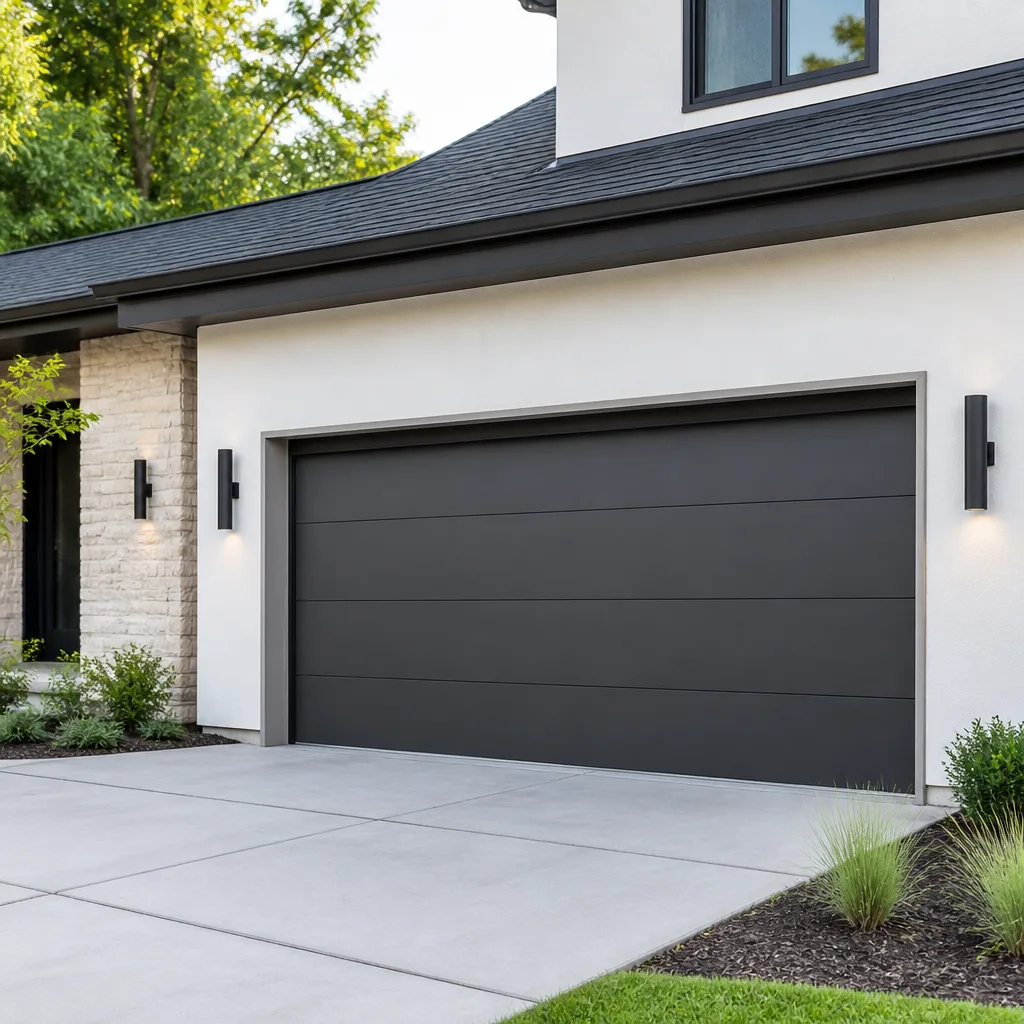 Modern flush
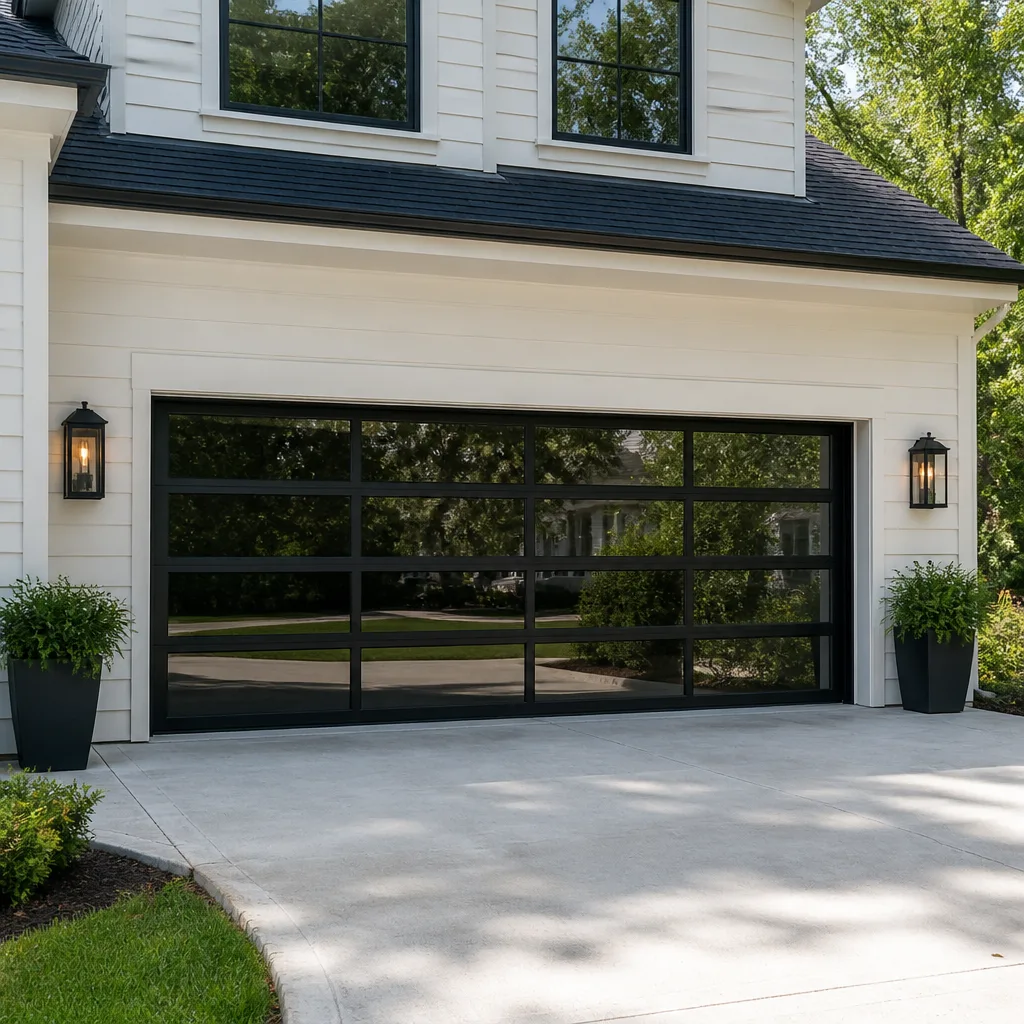 Full-view glass
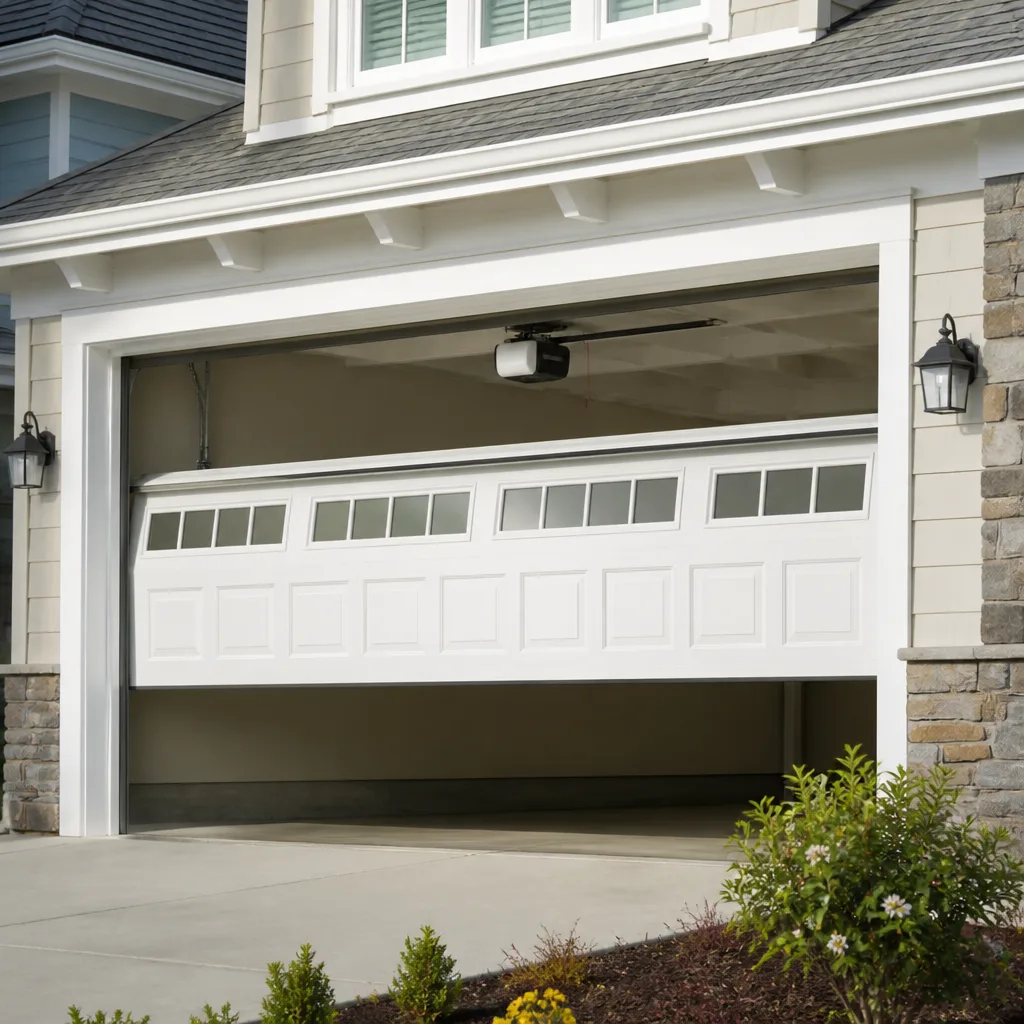 LiftMaster openers
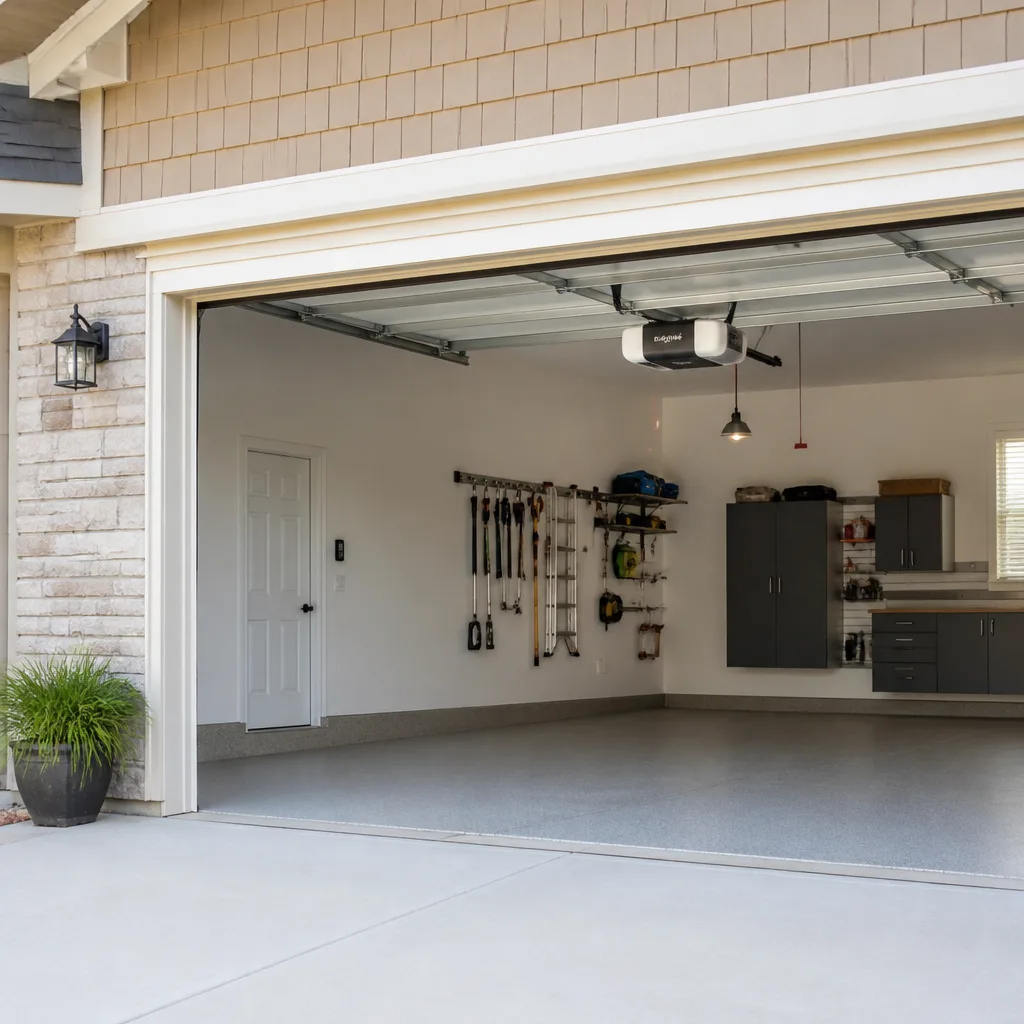 Chamberlain openers
Full 25-point door and opener safety check with every visit - springs, cables, rollers, tracks, and your LiftMaster or Chamberlain opener included
You get a price before we start. It does not change when the pro arrives.
Get your free estimateChoosing the Right Garage Door Brand: A Buyer’s Guide for Orland Park
Here’s a counterintuitive truth about garage door shopping: the brand name on the panel you see in a national TV ad is often not the brand you want on your house. What matters more, years after the installation crew pulls away, is whether a technician in your part of the southwest suburbs can get the replacement parts for that door without a two-week wait, and whether the model you picked plays nicely with the opener already hanging from your ceiling. Orland Park‘s housing stock is a mix of decades, and the doors that have held up best here tend to be the ones with deep local parts and service support, not the loudest logos. This guide walks through what we’ve learned evaluating and servicing doors across the area, so you can choose a brand that serves you long after day one.
Quick Answer
The best garage door brand for an Orland Park home is the one with strong local parts and service support, a warranty that actually covers what fails, and compatibility with your existing or planned opener. For most homeowners here that means sticking with widely installed lines like Clopay, Amarr, and Wayne Dalton, pairing them with openers from LiftMaster or Chamberlain, and reading the warranty fine print before you sign. Brand prestige matters far less than whether your technician can source a replacement panel or spring bracket quickly, and whether the door’s specs fit a climate that swings from humid summer heat to hard winter cold.
Styles & brands we work with
- Raised-panel steel
- Carriage house
- Modern flush
- Full-view glass
- LiftMaster openers
- Chamberlain openers
Table of Contents
- Why Parts and Service Infrastructure Beat Brand Advertising
- Which Brands Are Most Widely Installed in Orland Park
- Steel Gauge, Insulation, and Hardware: What Actually Matters
- How to Read a Manufacturer Warranty: What “Limited Lifetime” Really Means
- Opener Brand Compatibility and Smart Home Integration
- Which Brand Decisions Affect Resale Value in Orland Park
- A Step-by-Step Brand Evaluation Process
- Common Mistakes to Avoid
- When to Call a Professional
- Frequently Asked Questions
Why Parts and Service Infrastructure Beat Brand Advertising
Garage door brands sell two different things to two different audiences. To homeowners, they sell a look – panel styles, window inserts, colors that complement a brick facade. To the trade, they sell a distribution network: which regional warehouses stock which parts, how fast a dealer can order a replacement section, and whether a technician can find a spring bracket that fits a fifteen-year-old model. Those two things don’t always line up, and the gap between them is where homeowners get frustrated.
A door that looks great in a showroom but requires a special-order panel every time a backing car clips it becomes a headache. A plainer door from a brand with a stocked regional distributor gets fixed in a day. In our experience servicing homes across Orland Park, the second scenario is what people actually want once the shine wears off the new installation.
The practical test is simple: ask who supplies parts for the brand in this region. A brand with dedicated regional distribution close to the southwest suburbs supports faster repairs than one whose parts come from a national depot. When you’re standing in your driveway with a door hanging off its track, that regional footprint is the thing that matters.
There’s also a labor dimension. Technicians who see a brand week after week know its quirks – the way a particular Clopay panel seats, the torque a specific Amarr hinge needs, the fasteners a Wayne Dalton track section uses. Brand-familiar technicians diagnose faster and bill less. That’s the infrastructure you’re really buying, whether you realize it at the time or not.
Which Brands Are Most Widely Installed in Orland Park
Orland Park’s neighborhoods run from older subdivisions with original doors from the 1980s and 1990s to newer construction where the builder installed a specific line across an entire block. That history matters when you’re choosing a replacement, because the brands already installed everywhere here have the strongest local parts and service footprint. Local availability is not a marketing abstraction. It’s the difference between a same-week fix and a two-week wait.
The brands you’ll see most often on streets throughout Orland Park, and the ones with the most consistent local support, are:
- Clopay – one of the most common residential lines installed across the southwest suburbs, with broad model range from basic steel to insulated carriage-house styles.
- Amarr – widely used in new construction and remodel work, with strong regional distributor coverage.
- Wayne Dalton – common in both older and newer homes, with distinctive models that technicians learn to service quickly.
- Raynor – a frequent sight on homes where the original builder chose a durable mid-range door.
If your home already has one of these brands, replacing like-for-like has a real service advantage: the track and hardware dimensions often match, replacement sections come faster, and there’s less custom fitting during installation.
If you’re considering a brand outside the most common local lines, that’s fine, but go in knowing the trade-off. A less common brand may take longer to source parts for and may limit which technicians can service it comfortably. Ask the installer directly what happens when a panel or spring bracket fails in five years. Orland Park homeowners who plan for repair support at the purchase stage avoid the expensive guesswork later.
One other local factor: door dimensions on older Orland Park subdivisions often run to standard single and double widths, while some newer builds use larger openings. A brand with flexible sizing options locally will handle either without a special order, which keeps the installation schedule tighter.
Steel Gauge, Insulation, and Hardware: What Actually Matters
Walk any showroom and you’ll hear the same three specs: steel gauge, insulation R-value, and hardware grade. They matter, but not in the way a brochure suggests. Here’s what each is really telling you before you spend money in Orland Park.
Steel Gauge
Steel gauge is a thickness measurement, and lower numbers mean thicker steel. A 24-gauge door is thinner and lighter. A 25- or 27-gauge door is thinner still. For a busy Orland Park driveway where cars come and go all day, a 24-gauge door resists dents and holds its shape better than a lighter one. But a heavier door needs stronger springs and stronger openers, so gauge isn’t a free upgrade. It’s a system choice. Match a heavier door with a properly rated opener and hardware.
Insulation R-Value
Orland Park sees hot, humid summers and hard winter cold, so insulation matters more than in a mild climate. An insulated door keeps the attached garage from becoming a heat sink in winter and a sauna in summer, which helps rooms above and beside the garage. Higher R-value means more insulation, but the whole-door R-value is what counts, not just the foam core. A door with a high core rating and poorly sealed edges leaks air anyway. Look for a full perimeter seal, not just a number on a spec sheet.
Hardware Grade
Hinges, rollers, brackets, and springs are where cheap doors fail first. A door with premium panels and bargain hardware will rattle and wear out ahead of a plainer door with good hardware. When comparing brands, ask about the grade of the hinges and the gauge of the track. Those are the parts that take daily stress, and they’re the parts you’ll call us about first – whether it’s a garage door repair or a scheduled tune-up.
If you’re replacing springs or hardware, understand the stakes: the torsion spring and cables are the highest-tension parts of the whole system and can cause serious injury if handled by an untrained hand. Our garage door spring repair is a deliberate, trained service for exactly that reason.
How to Read a Manufacturer Warranty: What “Limited Lifetime” Really Means
“Limited lifetime warranty” is one of the most misunderstood phrases in the garage door market. It almost never means the whole door is covered for your lifetime. It means a specific part – usually the panels or sections – is covered for as long as you own the home, while other parts (springs, hinges, rollers, the opener) have shorter terms measured in years. The word “limited” is doing a lot of work in that sentence.
Read the warranty as three separate documents in one:
- The section warranty. Panels are usually the longest term. Check whether it’s transferable to a future buyer and whether a claim requires the original installer’s records.
- The hardware and spring warranty. Usually measured in years, not lifetime. Springs are the most common failure point and often carry the shortest term. Ask what’s covered if a spring breaks a year after installation.
- The opener warranty. Separate from the door. Brand, model, and installer matter here. A belt-drive opener from a major brand typically carries its own separate coverage that has nothing to do with the door warranty.
Two more clauses worth checking in the fine print:
- Labor is usually not covered. Warranties typically cover parts, not the labor to install them. Confirm in writing what the installer covers beyond the manufacturer’s warranty.
- Proper maintenance may be required to keep the warranty valid. Many warranties require regular service records. Ask what maintenance schedule keeps your coverage intact.
For an Orland Park homeowner weighing two brands, compare the spring warranty terms side by side. That’s the part most likely to fail, and the difference between a strong and weak coverage term often decides which door is the better buy – not the panel warranty that catches the eye.
Opener Brand Compatibility and Smart Home Integration
Your new door and your opener have to work together, and homeowners often choose the door before checking the opener. That’s backwards. The door’s weight and balance determine the opener’s required lifting capacity, and the opener’s technology determines whether you get smart home features or spend money on workarounds.
Which Openers Pair Best With Which Doors
In practice, most residential openers pair with most residential doors, but the quality of the pairing varies. A heavier 24-gauge insulated door needs an opener with enough lifting force and a well-matched spring system. A basic single-car door can often run on a lighter-duty opener. The safe rule: match the opener’s rated capacity to the door’s weight, and have the pairing checked at installation, not after.
The Smart Home Question
If you want your garage door in a connected home setup, the opener ecosystem matters more than the door brand. The two dominant smart-compatible systems are LiftMaster (with its myQ ecosystem) and Chamberlain (also myQ-connected). Both integrate with common home automation platforms and support remote monitoring. Older Genie and Craftsman openers are common on Orland Park homes and still serviceable – we repair and maintain these legacy systems regularly – but they may lack built-in smart features and need a bridge device if you want app control.
If you plan a smart-connected garage door, this is a real reason to lean toward a LiftMaster or Chamberlain opener even if the door brand is decided separately. Our garage door opener repair covers the range from smart, connected units to legacy mechanical openers.
What to Ask Before You Choose
- What’s the door’s assembled weight, and is my current opener rated for it?
- Does the opener’s brand have working smart-home integration on my platform?
- Can my existing opener be reused, or will a replacement be needed with the new door?
- If I replace the opener later, will the door’s spring system still balance it?
Which Brand Decisions Affect Resale Value in Orland Park
Not every brand decision influences resale. Some are pure operation and some show up in a listing. Knowing the difference saves you money and keeps the upgrade sensible for Orland Park’s market.
What Buyers Notice
- The door’s curb appearance. In Orland Park, where the garage often dominates the front facade, a well-matched door style and finish reads as care to a buyer. Panel style and color that match the rest of the house count more than the brand logo, which buyers rarely know.
- Quiet, smooth operation. A door that operates cleanly signals a well-maintained home. A door that rattles or sticks signals deferred maintenance.
- Insulation. An insulated door is a genuine selling point on Orland Park homes where the garage shares a wall with living space.
What Buyers Rarely Notice – But You Should Care About
- Steel gauge. Buyers can’t tell a 24-gauge door from a 27-gauge by eye, but the heavier door survives the next decade with fewer dents.
- Hardware grade. Invisible at a viewing, obvious in a service log. Better hardware means quieter, more reliable operation day to day.
- Warranty transferability. A transferable warranty is a genuine selling point when a buyer has a home inspector open their notes, even if buyers don’t ask about it upfront.
The resale takeaway: spend the extra on the visible door style and the insulation, and spend the extra on hardware and spring capacity because it lowers your repair costs, not because a buyer will pay more for it. If you’re weighing a full replacement versus a repair, our Garage Door Repair Orland Park handles both ends of that decision, and a professional can often tell you which way the math points.
A Step-by-Step Brand Evaluation Process
When you’ve narrowed the field to two or three brands, run this process before you commit. It keeps the decision grounded in what you’ll actually live with.
- Confirm local parts availability. Ask the installer which brand has stocked regional distribution near Orland Park and how long a replacement panel or bracket takes to arrive. A brand with faster regional access is the safer bet.
- Compare the spring and hardware warranty terms side by side. Look at years covered, what’s excluded, and whether labor is covered separately. The longest section warranty isn’t the whole story.
- Check the steel gauge and insulation rating against your actual walls. A door on an attached garage shared with living space benefits from more insulation. A detached or unheated garage may not need it.
- Verify opener compatibility with your current or planned unit. Confirm the door’s weight is within the opener’s rating and whether smart features require a particular opener brand.
- Ask how the door will be installed and balanced. The install is where the door works or wobbles. Ask about the balance check and the full perimeter seal.
- Get a written estimate and confirm the price in writing before work starts. Whether the job is a new installation or a repair, the written price is the number you should expect to pay.
That sixth step is where a lot of the headaches get avoided. The quote should be specific, not a range that gets revised once the crew sees the site.
Common Mistakes to Avoid
- Choosing the door brand before checking the opener. A beautiful door on an underpowered opener wears out its springs early. Match the two together from the start.
- Assuming “limited lifetime” covers everything. It usually covers sections, not springs, hinges, or labor. Read the fine print for each component.
- Buying the flashiest door for resale and skimping on hardware. Buyers see the style, but cheap hardware costs you on repairs for years. Spend where it changes daily operation.
- Ignoring insulation on an attached garage. Orland Park’s winters make an uninsulated door an energy and comfort problem, especially above a living space.
- Choosing a brand with no local parts support. A distinctive model with a distant parts network means longer waits when a panel or bracket fails.
- Letting a technician or installer decide the brand without asking what happens in a repair. The brand that’s best to install isn’t always the brand that’s easiest to service. Ask about the repair path before you buy.
- Skipping the written estimate. A verbal ballpark can turn into an invoice surprise. The written quote is what protects you.
When to Call a Professional
Some choices should be made with a trained eye on your specific door. Call a professional if your current door is off-track, if a spring has snapped or the door is suddenly heavy to lift, or if the opener has stopped responding and troubleshooting the obvious reset didn’t help. Those are the moments when the brand conversation becomes urgent, and a trained technician with brand familiarity can diagnose the cause faster. Our technicians have up to 8 years of experience servicing the most common residential brands in the area. If your door won’t move and you need help fast, we offer emergency service – a stuck door is a security and safety problem, not a project to schedule next month. Garage Door Repair Orland Park offers free estimates in Orland Park – call (855) 658-4224 to talk through your options, whether you’re repairing or replacing.
Frequently Asked Questions
For most Orland Park homes, the best brand is one with strong local parts and service support that pairs well with your opener. Clopay, Amarr, and Wayne Dalton are widely installed and well supported in the southwest suburbs, and pairing them with a LiftMaster or Chamberlain opener gives you smart-home compatibility and reliable servicing. Call (855) 658-4224 for a free estimate.
Only when the extra cost buys better hardware, deeper insulation, or faster local parts access. A pricier brand with no local distribution support is not worth the premium for most homeowners. Compare spring and hardware warranties side by side before you pay for a name. Call (855) 658-4224 to weigh the options with a professional.
It usually covers only the door panels, not the springs, hinges, rollers, or labor, and it typically runs as long as you own the home. Ask the installer what’s covered for each part and whether the warranty transfers to a buyer. Call (855) 658-4224 for help reading the fine print on a specific door.
If smart-home control matters, LiftMaster and Chamberlain are the two dominant compatible ecosystems for a connected home. Their myQ integration supports remote monitoring and app control. If your current opener is an older Genie or Craftsman, it may still work fine but likely lacks built-in smart features. Call (855) 658-4224 to check compatibility.
Yes. An insulated door helps keep the garage and any living space above it more comfortable through the winter cold and summer heat. Higher R-value helps, but a full perimeter seal matters just as much. Call (855) 658-4224 to talk through insulation options for your home.
Yes, in most cases. Most residential openers can lift most residential doors as long as the door’s weight is within the opener’s rating and the springs are balanced. The safe move is to have the pairing checked at installation. Call (855) 658-4224 for a compatibility check.
The Bottom Line
The brand on your garage door matters less than the service network behind it, the warranty fine print, and whether the door and opener work together. For an Orland Park home, stick with widely installed brands that have strong local parts support, spend your money where it changes daily operation – hardware, insulation, spring capacity – and read the warranty part by part. Choose a door and opener as a system, not two separate purchases. When the door won’t move, or when you’re ready to weigh a repair against a replacement, that’s the moment to get a trained professional involved.
Ready to choose with confidence and a written price before any work starts? Call us at (855) 658-4224 for a free estimate, and we’ll walk through the brands that make sense for your Orland Park home, from the door panels to the opener on the ceiling.
Written by the team at Garage Door Repair Orland Park.
See the difference
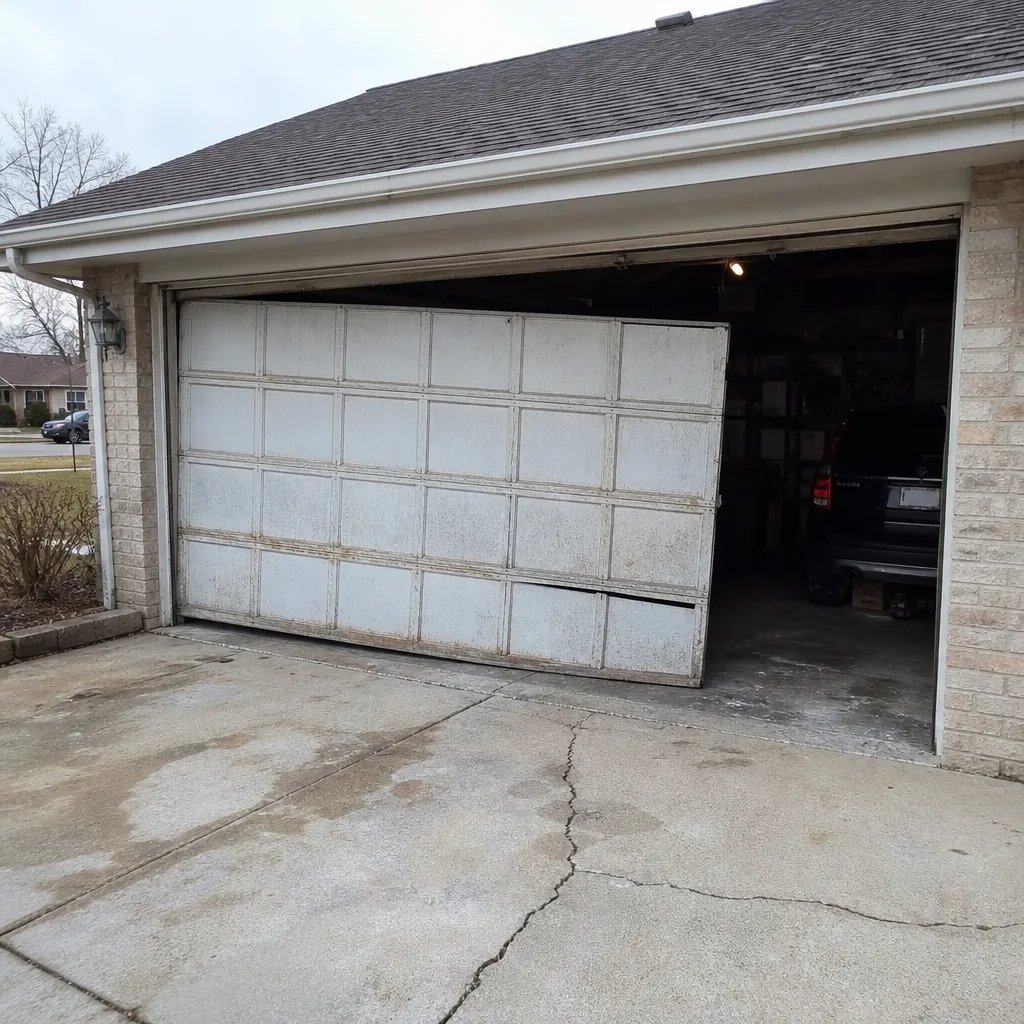 Before
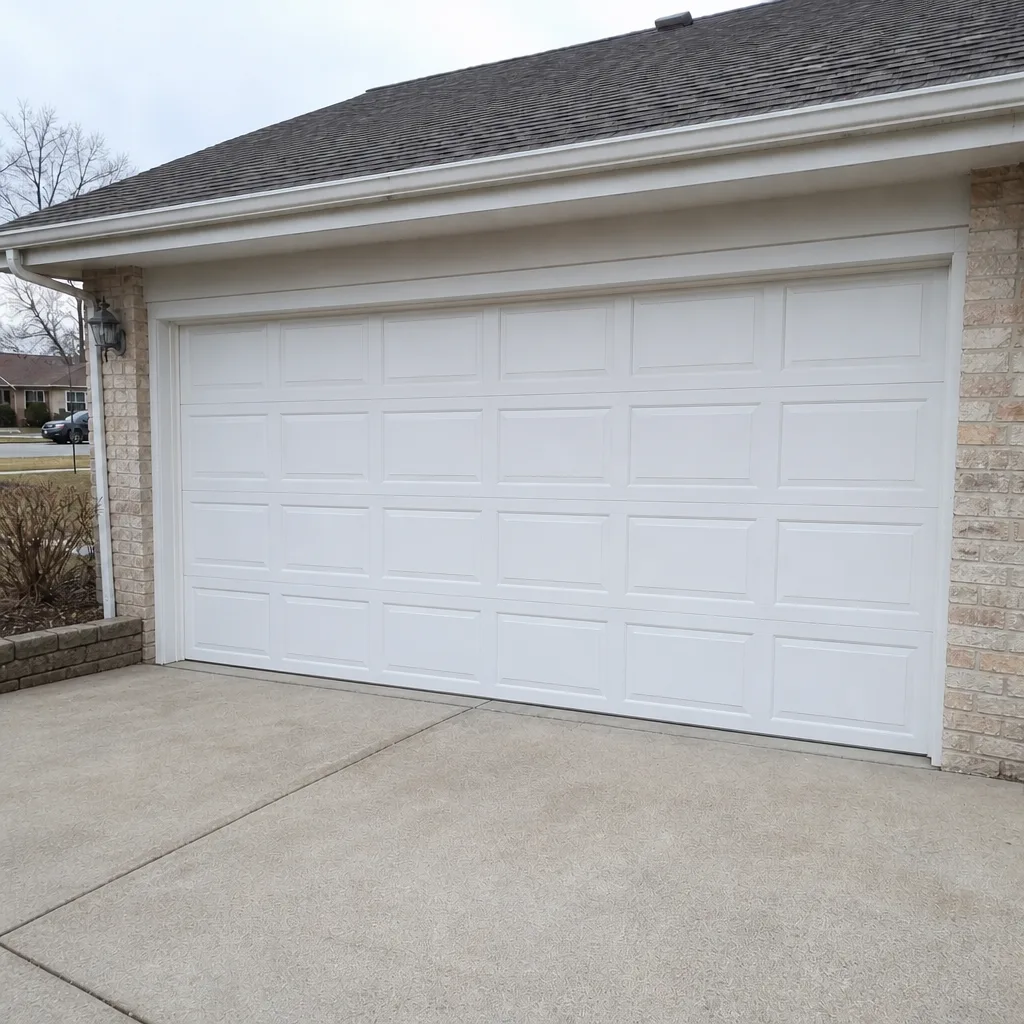 After
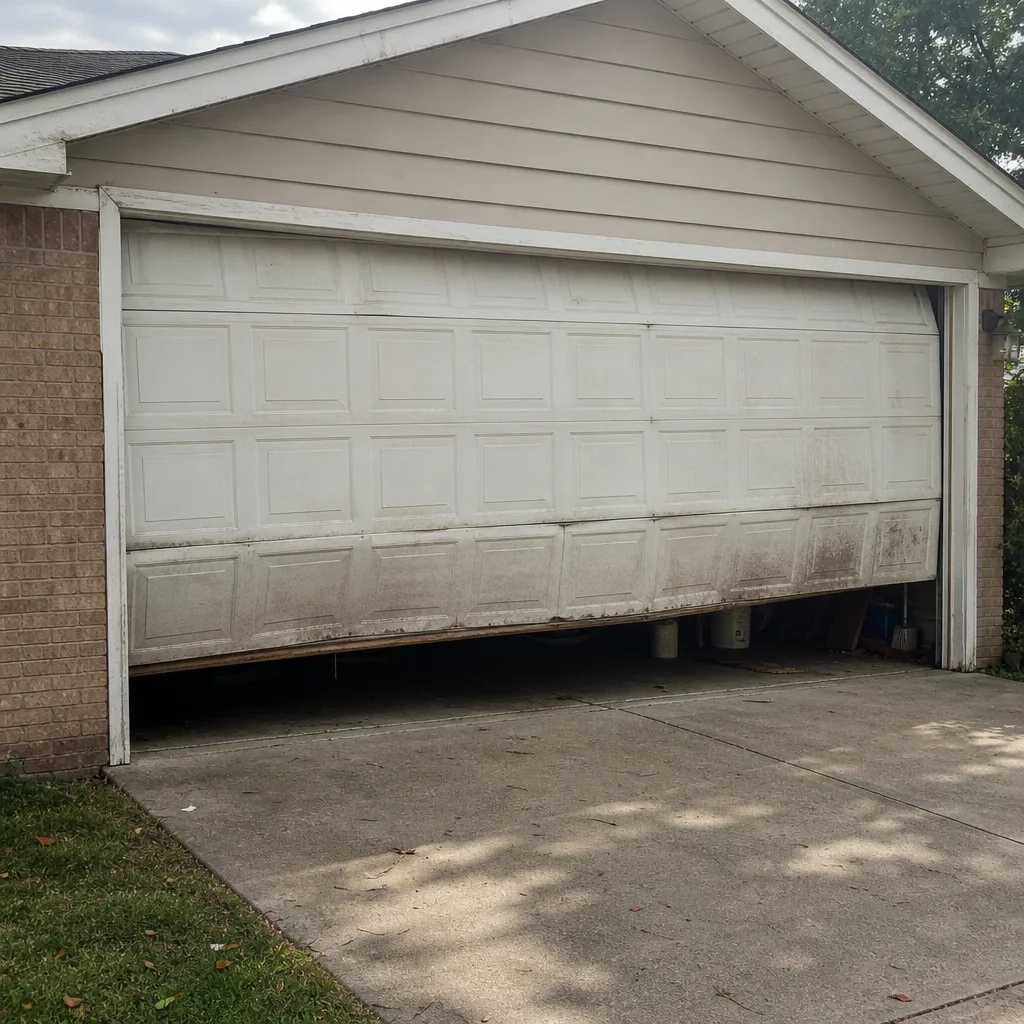 Before
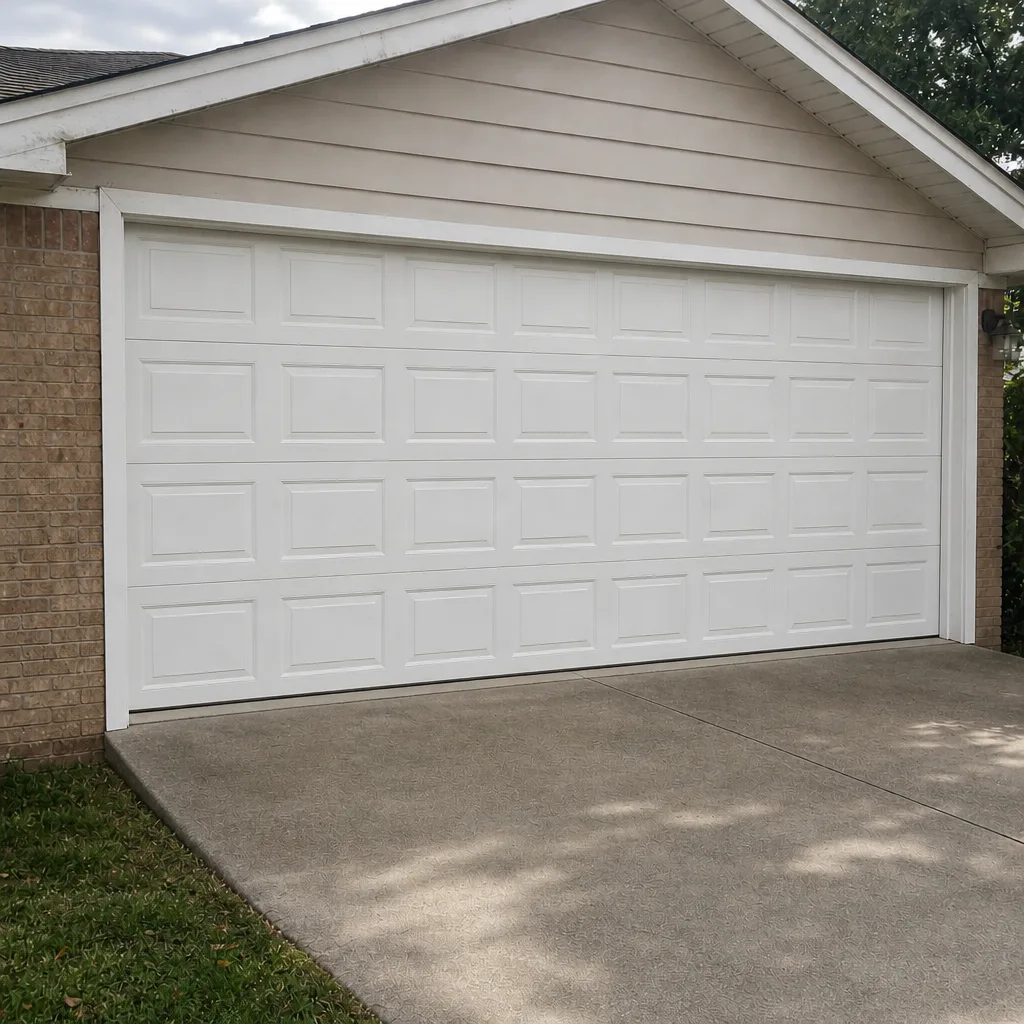 After
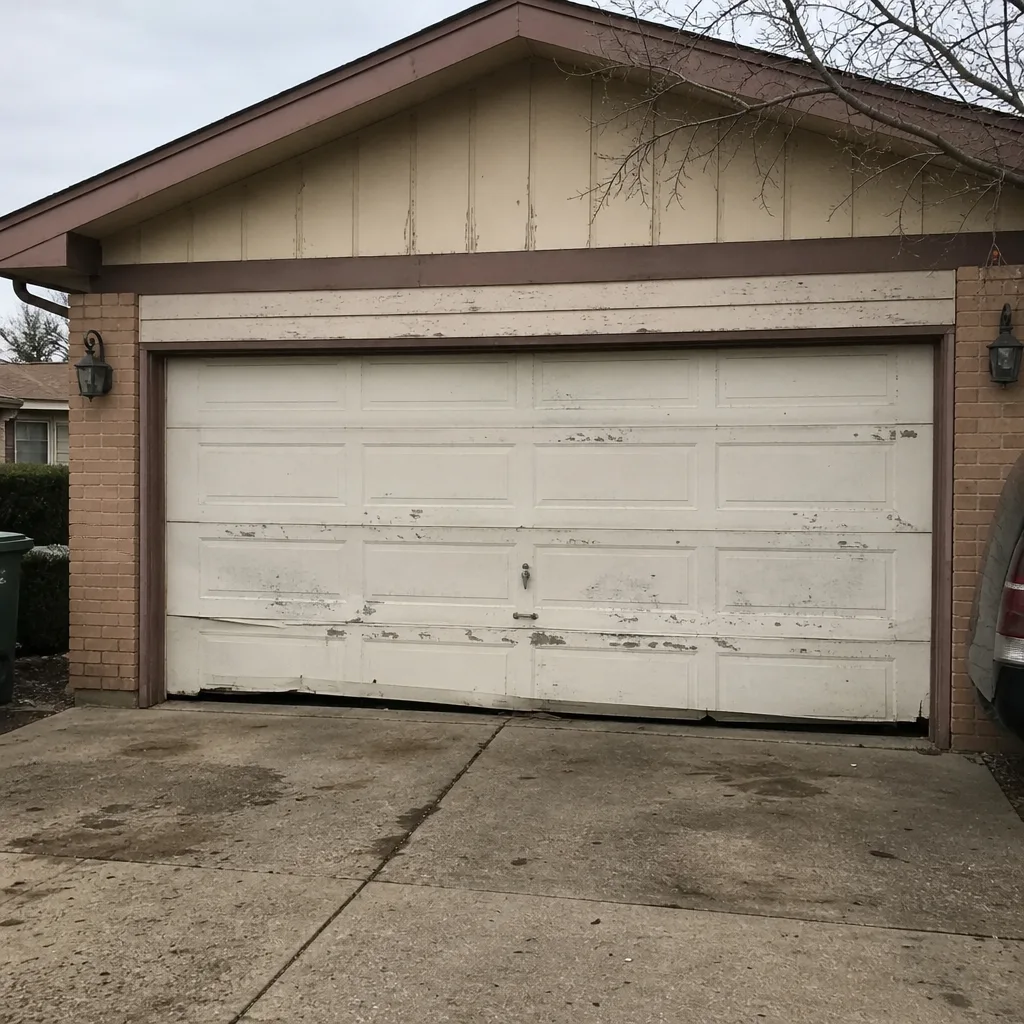 Before
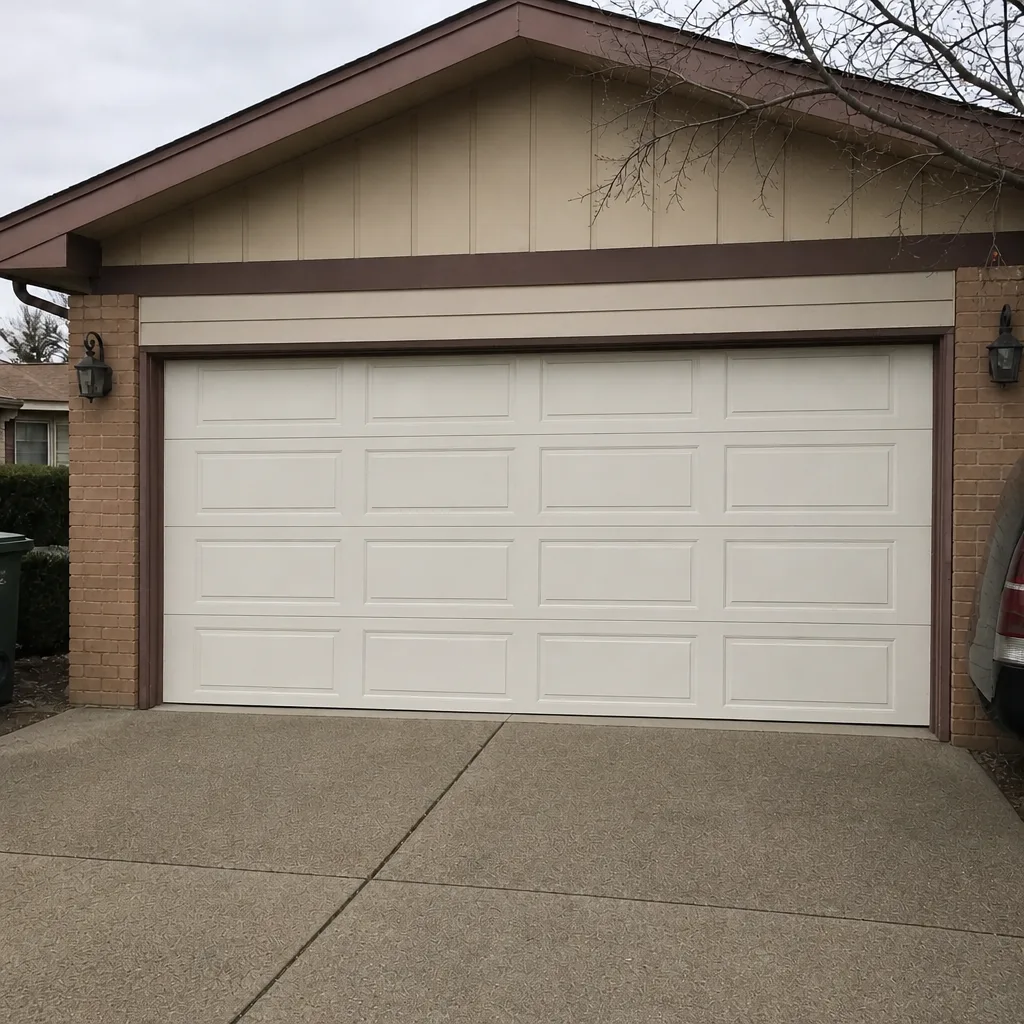 After