Last updated November 22, 2026
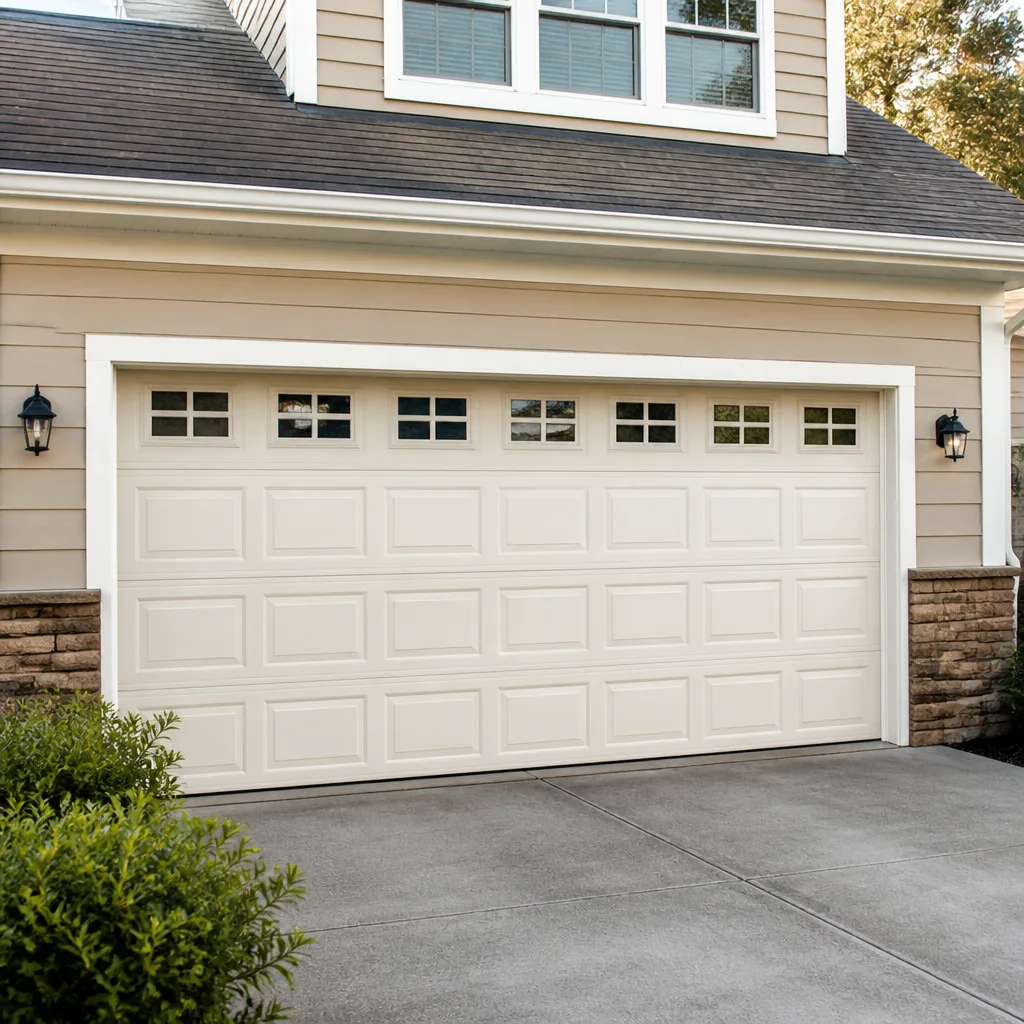 Raised-panel steel
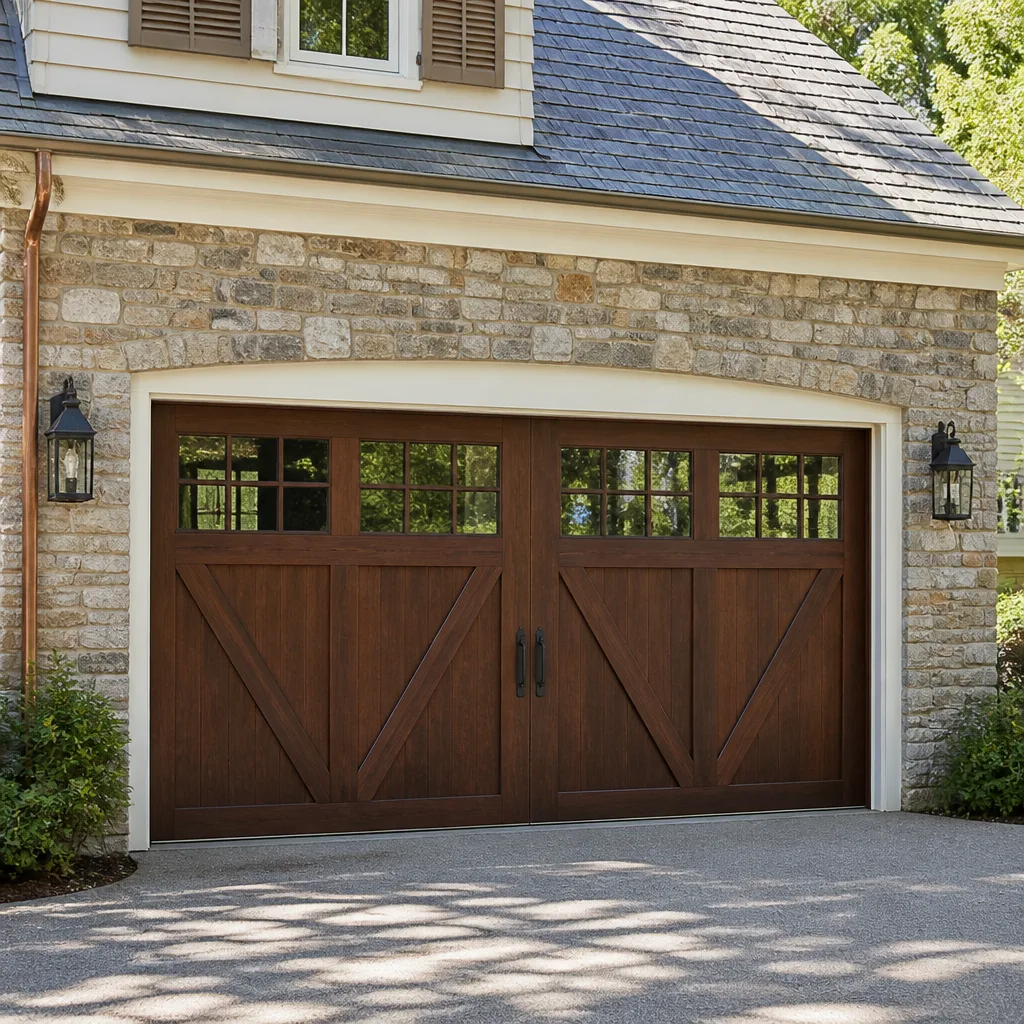 Carriage house
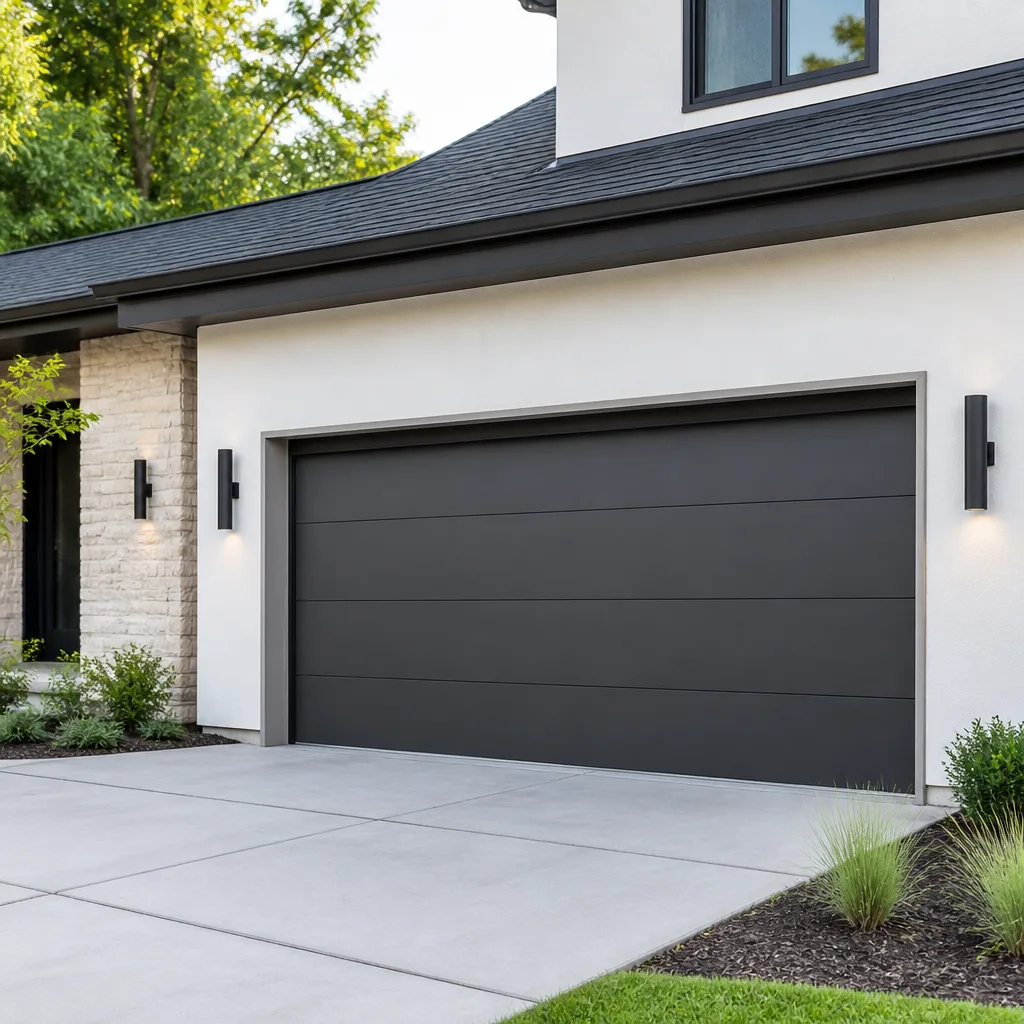 Modern flush
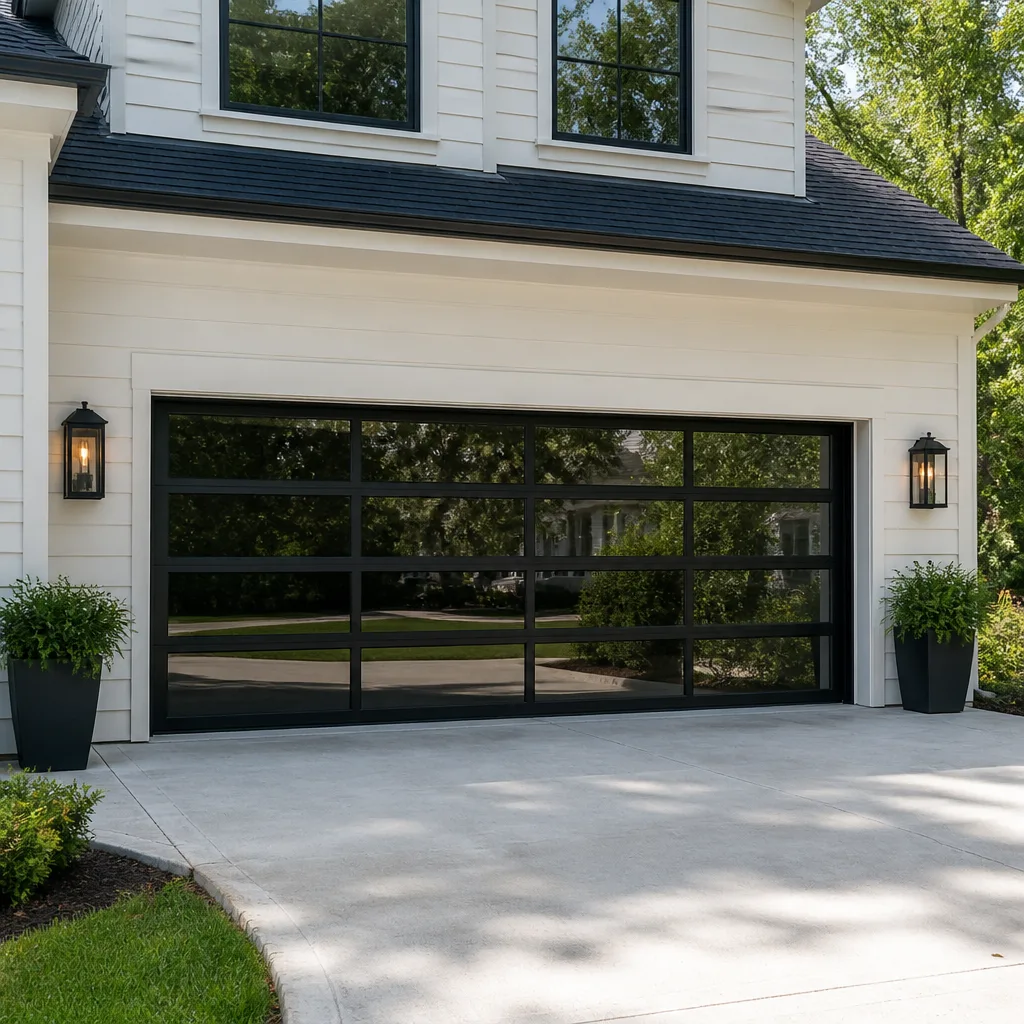 Full-view glass
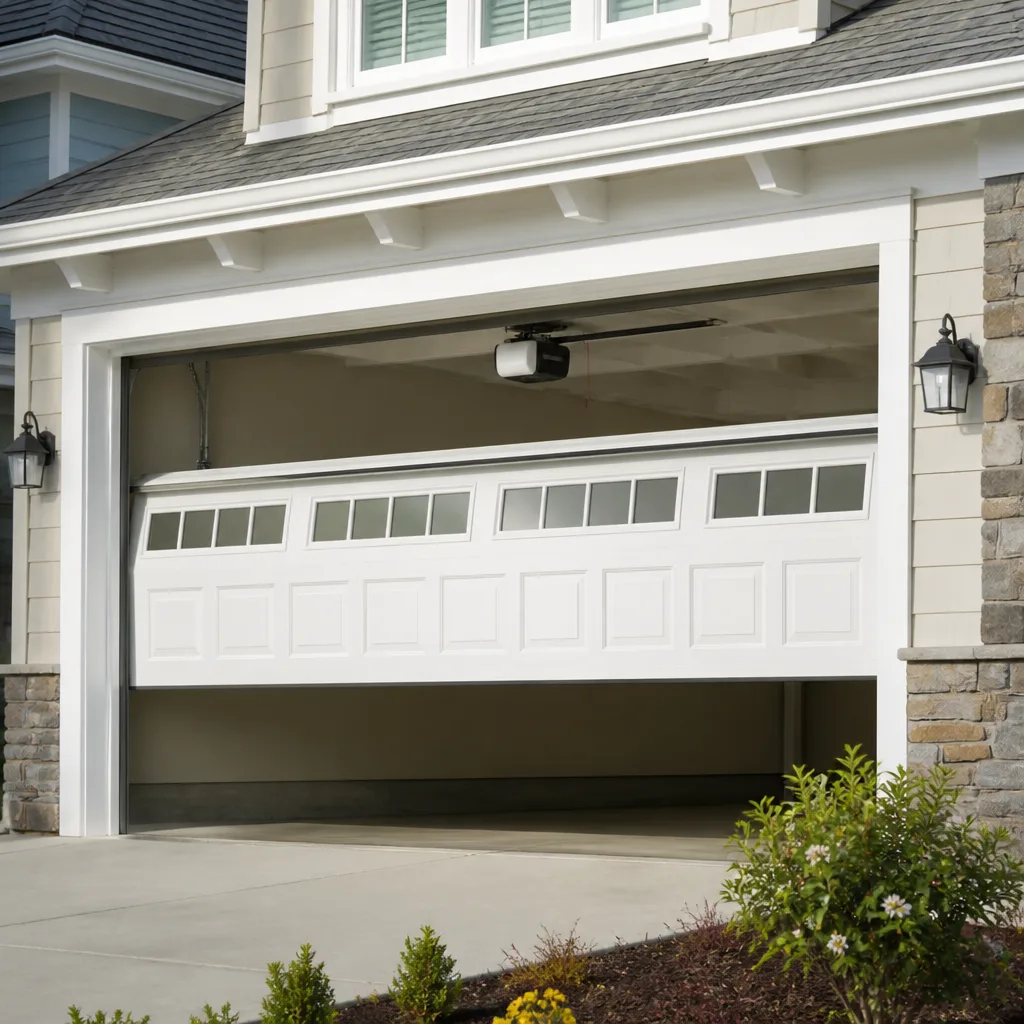 LiftMaster openers
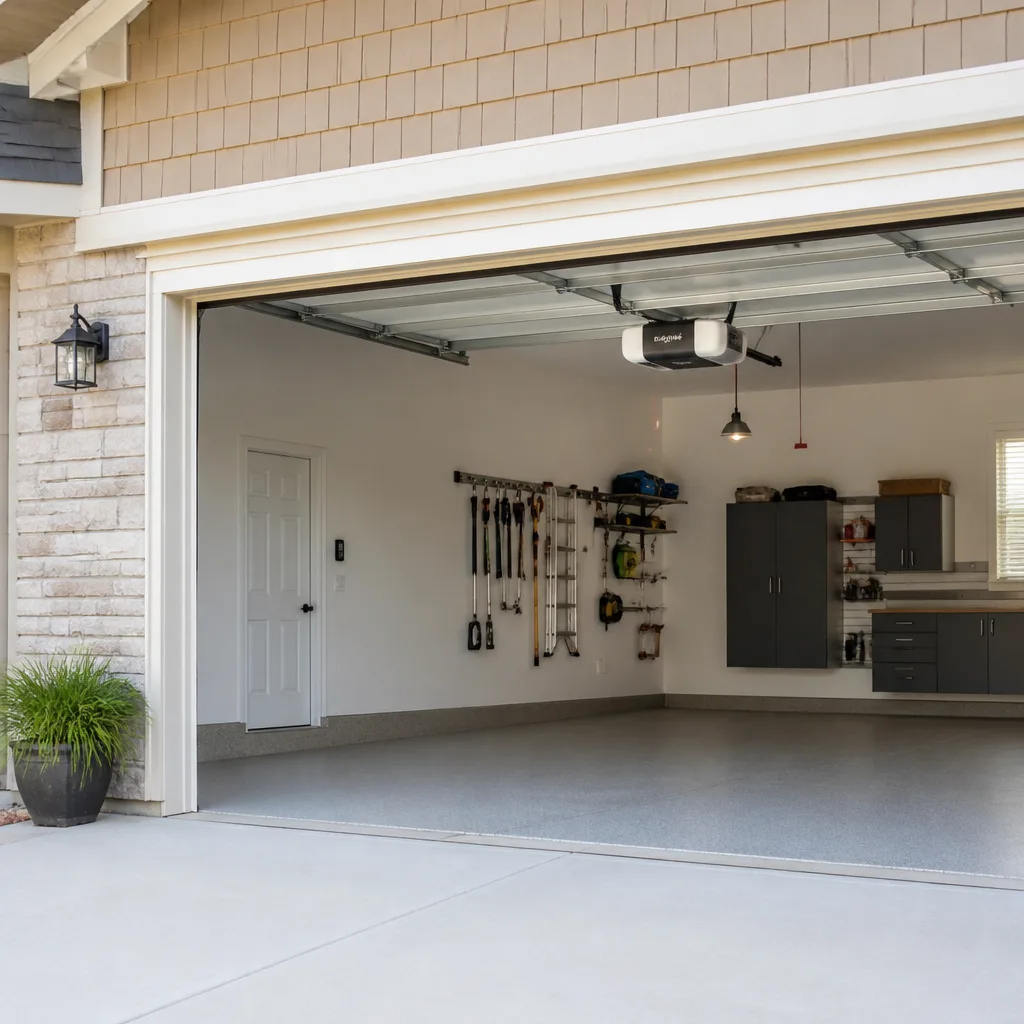 Chamberlain openers
Full 25-point door and opener safety check with every visit - springs, cables, rollers, tracks, and your LiftMaster or Chamberlain opener included
You get a price before we start. It does not change when the pro arrives.
Get your free estimateGarage Door Warning Signs: An Orland Park Homeowner’s Reference Guide
Two noises that sound almost identical to a homeowner can mean entirely different things. A grinding sound usually means dry or worn rollers, a problem that costs a little to fix and rarely escalates. A scraping sound often means the door is rubbing against a bent track, and left alone that track can twist far enough to pull panels out of alignment or drag the door off its hinges. The door is telling you which part is failing, if you know how to listen. This guide decodes those signals for Orland Park homeowners so you can tell whether you have three days or three months before something gives.
Quick Answer
Garage door warning signs fall into three tiers: cosmetic (loose hardware, squeaks), scheduled repair (worn rollers, a fraying cable, opener strain), and stop-using-the-door-now (a snapped spring, a cable that’s come off its drum, a door that’s visibly off-track). Match the symptom to the component before you touch anything, because the most common warning signs point to parts under extreme tension that are dangerous to handle without training.
Styles & brands we work with
- Raised-panel steel
- Carriage house
- Modern flush
- Full-view glass
- LiftMaster openers
- Chamberlain openers
Table of Contents
- How to Decode What Your Garage Door Is Telling You
- Sound-Based Warning Signs: What Each Noise Points To
- Visual Inspection Guide: Rust, Fraying, and Spring Gaps
- Warning Signs That Mean Stop Using the Door Today
- Opener Error Codes: Sensor Alignment vs. Motor Failure
- How Long Each Warning Sign Gives You Before Failure
- What Orland Park’s Housing Stock Tells Us About Failure Patterns
- A Monthly Walk-Around Checklist
How to Decode What Your Garage Door Is Telling You
Every residential garage door is a system of interdependent parts: springs, cables, rollers, hinges, tracks, and the opener. When one part starts to fail, it produces a symptom tied to that specific component. The skill is not memorizing a list of scary sounds, it’s connecting the symptom to the mechanism behind it. A door that shudders on the way down is fighting friction. A door that slams instead of settling is losing tension control. A door that won’t budge is usually locked up by a broken spring or a seized bearing.
Here’s the diagnostic logic we walk homeowners through in Orland Park. Start with three questions and you’ll narrow the field fast:
- Is the door moving at all? If the opener runs but the door doesn’t move, the problem is in the door mechanics, not the motor.
- Is the movement rough or smooth? Roughness points to rollers, tracks, or hinges. Smooth movement that still misbehaves points to springs or the opener’s force settings.
- Is the noise new? A door that has always been loud is a different concern than one that started grinding last week. New noises are early warnings; long-standing ones are usually maintenance debt.
Those three questions alone will get most Orland Park homeowners into the right service category before they call. If you can tell us the symptom over the phone, we can usually tell you whether it’s an emergency or a scheduled garage door repair before a technician even arrives.
Sound-Based Warning Signs: What Each Noise Points To
Sounds are the most misdiagnosed category because homeowners describe them in ways that lump very different failures together. Here’s the decoder we use in the field.
- Grinding: Usually worn, dry, or seized rollers. Rollers that have lost their bearings grind against the track. A metal roller that has rusted solid will grind and eventually flat-spot the track. Fixable, usually inexpensive, and rarely an emergency.
- Scraping: Often a bent track or a door panel rubbing against the frame. This is the more serious cousin of grinding. A bent track left alone can pull the door out of alignment, and the panel-to-panel stress is what eventually compromises the whole door.
- Squealing or squeaking: Metal-on-metal friction at hinges, rollers, or springs. Sometimes just lubrication. Sometimes the first sign a hinge has lost its pin or a roller stem has bent out of true.
- Popping or banging: Typically the springs. A torsion spring about to fail can pop as the coils bind. Extension springs can bang when they snag in their safeties. Any loud popping at the spring assembly is a stop-and-call situation.
- Rattling: Loose hardware, missing bolts, or panels separating from their struts. Check every hinge and roller stem; rattling is usually cheap to address before it becomes structural.
- Rumbling with the opener running but no door movement: The opener is trying to lift a door that’s locked up. That can be a broken spring, a snapped cable, or the manual lock still engaged.
If the sound is new and you can’t place it, record a short video of the door in motion and play it back. In our experience with residential stock in Orland Park, a fresh grinding or banging noise is one of the most common calls we get, and the video helps both you and any technician diagnose faster.
Visual Inspection Guide: Rust, Fraying, and Spring Gaps
You don’t need to be technical to run this inspection. Do it from the floor, standing back, with the door closed and the opener unplugged. Never put your hands on the springs or cables.
- Look at the springs above the door. A torsion spring should show an even, tight coil. A visible gap in the coil, or a spring that has clearly snapped into two separate pieces, is a full stop. One spring of a matched pair can break while the other still holds the door up, so never assume the door is safe just because it still moves.
- Look at the cables. Cables run from the bottom corners up the sides. Healthy cable is a clean braid. Fraying looks like broken strands sticking out of the braid, or a cable that has developed a kink that won’t straighten. A cable that’s come off its drum or is hanging loose is an immediate stop.
- Look at the track. Run your eye down the inside edge of each vertical and horizontal track. You’re looking for bends, dents, or sections where the gap has widened. Anywhere the rollers look like they’re riding outside the track is a problem.
- Look at hinges and rollers. Hinges should be tight against the panel, not visibly tilted or missing bolts. Rollers should rotate freely and be seated inside the track, not resting against the edge.
- Look at the door panels. Cracks in the panel skin, a sagging top panel, or a gap between panels that wasn’t there before points to structural strain. Steel panels on a Clopay, Amarr, or Wayne Dalton door can rust from the inside out, so pay attention to bubbling paint as much as visible rust.
- Look at the bottom seal. A crumbling or detached seal is cosmetic until it lets in water that reaches the bottom hinges and begins to corrode them.
If you find a gap in the spring, a frayed cable, or anything off its track, stop. That’s the visual category that means the door should not be used until it’s looked at. We handle spring and cable work carefully; there is no safe DIY shortcut for either. Our garage door spring repair service exists precisely because this is the component most often neglected and most dangerous to handle at home.
Warning Signs That Mean Stop Using the Door Today
Some symptoms are scheduled-repair territory. Others are a hard stop. Use this line as a decision rule: if the symptom involves the door’s ability to hold its own weight, stop using it. The springs and cables carry the door’s weight; when either is compromised, the door can drop.
- A snapped torsion spring or a broken extension spring. Stop. Do not open the door manually.
- A cable off its drum, slack, or visibly frayed. Stop. The door is no longer securely supported on that side.
- The door is off-track. Stop. A roller that has jumped the track can drop the door panel further with each cycle.
- Visible sagging on one side. Stop. This is often a failing spring on one side or a snapped cable; the door is now unevenly loaded.
- A door that slams down under its own weight. Stop. That’s the clearest sign of lost spring tension.
- The opener runs, the door doesn’t move, and the door is heavy. Stop using the opener and don’t force the door.
For Orland Park homes, this is the category where a fast response matters most. When the door won’t move and it’s blocking the primary entry, we offer dedicated emergency garage door service, which you can arrange by calling (855) 658-4224. We tell every homeowner the same thing: a snapped spring or an off-track door is not something to fix by trial and error. Spring repair done safely is a trained service.
Opener Error Codes: Sensor Alignment vs. Motor Failure
An opener that beeps and flashes twice, or displays a code, isn’t telling you the motor is dead. Most error codes point to the safety sensors or the opener’s force and travel limits, not to the motor itself. On the LiftMaster and Chamberlain/myQ ecosystem, and on legacy Genie systems, the code sequences map to a small set of real causes. The code alone won’t tell you which you have, but the door’s behavior will.
Use this order of checks:
- If the door reverses immediately after starting to close: usually the safety sensor beam is blocked or misaligned. Look at the two sensors at the bottom of the door frame. A small LED on each should glow. If one is dark or flickering, alignment is the likely cause.
- If the door reverses after moving a few inches regardless of sensors: likely the travel or force limit needs adjustment, or the door is heavier than the opener is set to handle. Heavier doors are often the early sign of a failing spring.
- If the opener hums but the door doesn’t move: the drive gear or the opener’s motor may be the issue, and the door itself may be mechanically locked. Rule out the springs and tracks before declaring the opener at fault.
- If the opener works intermittently: often a loose wire at the wall control, a remote that needs pairing, or a dying battery. Start simple.
- If the opener runs but stalls under load: an aging motor showing early failure. This is the category most often mislabeled. If your opener is over a decade old and the door itself is fine, replacement may be more economical than repair.
Learning to read these signals is exactly why garage door opener repair is a distinct service for us. Brand-familiar technicians know which behaviors belong to sensor alignment and which belong to early motor failure, and they can tell the difference without guessing. Whether your opener is a LiftMaster, a Chamberlain, a legacy Genie, or a smart-home setup, matching behavior to cause is the first step.
How Long Each Warning Sign Gives You Before Failure
Timelines below are typical patterns, not guarantees, and they can accelerate fast in a door that’s used heavily or hasn’t been serviced. Use them to plan, not to gamble.
| Warning Sign | Typical Window Before Failure |
|---|---|
| Squeaking hinges and rollers | Weeks to months; usually no safety risk |
| Grinding noise | Weeks, but track wear accelerates |
| Scraping against a bent track | Days to weeks before misalignment |
| Rattling door | Weeks; early easy fix |
| Cable fraying | Hours to days; treat as urgent |
| Visible gap in a torsion spring | Immediate; stop using the door |
| A door that’s off-track | Immediate; do not cycle the opener |
| Opener reversing on closing | Days; usually sensor-related |
| Opener running but door not moving | Immediate; rule out a broken spring first |
The rows that say “immediate” are where we recommend you don’t wait for a scheduled visit. Everything else is a phone call within a week or so, and the cost of fixing it at that stage is far lower than the cost of replacing a bent track or, worse, an entire door panel. If you’re unsure which row you’re in, call (855) 658-4224 and describe the symptom; we can tell you whether it’s an emergency or a scheduled job.
What Orland Park’s Housing Stock Tells Us About Failure Patterns
Orland Park has a wide range of housing stock. Older neighborhoods close to the village center often have garage doors that have been in place a long time, and that age shows up in specific places: original torsion springs, older steel panels with hidden rust, and older openers that predate the smart-home era. Newer construction and recently renovated homes are more likely to have insulated steel panels from Clopay or Amarr, with LiftMaster or Chamberlain openers, where the warning signs tend to be subtler and come from the opener rather than the door itself.
Climate matters too. Orland Park’s winters are cold and its summers swing between humid and dry, and that cycle is what produces some of the most common warning signs we see here. Cold nights make spring coil metal more brittle, and the freeze-thaw cycle works on the bottom seal, bottom hinges, and panel skin. That’s why rust bubbling through paint is a bigger warning sign in Orland Park than it might be in a drier climate. The same wet-and-freeze pattern is why cable fraying shows up at the bottom corners first.
Neighborhood context matters for garage door use, too. In communities around Orland Park where the attached garage is the primary entry point, a stuck door is felt immediately. If your household comes and goes through the garage, we’d treat any stop-using-the-door symptom as a same-day priority. Our technicians have up to 8 years of experience and we’ve seen the same pattern many times: the door gives warning, the homeowner waits one more week, and a bent track or a broken spring turns an easy call into an urgent one.
A Monthly Walk-Around Checklist
You don’t have to know the mechanical detail to stay ahead of failures. Ten minutes a month covers the essentials. Do this with the door closed and the opener disconnected.
- Listen to the door cycle. Stand back and cycle the door once. Any new sound is worth a note.
- Look at both springs. Even coil? No visible gap? Then they’re likely fine.
- Check both cables. Clean braid, no fraying, no slack.
- Run your eyes down the tracks. No bends, no dents, rollers seated inside.
- Test the safety reverse. Place a small object in the door’s path and confirm the door reverses on contact.
- Look at the bottom seal. Crumbling or detached is a winter problem waiting to happen.
- Test the manual release. With the door closed, pull the release handle and confirm it disengages. Reset it before cycling again.
If any check fails, note the specific component and its symptom. When you call for help, telling us “cable fraying at the bottom left corner” gets you a better first conversation than “it’s making a noise.” This is one of the ways you save time and money on Garage Door Repair Orland Park service calls.
Common Mistakes to Avoid
- Treating a grinding noise as harmless. Grinding is usually an early warning about rollers or a track, and fixing it at that stage is quick and cheap. Left for weeks, it starts to eat into the track, which is a much bigger job.
- Spraying lubricant on everything. Lubricant helps hinges and rollers; it does not fix a bent track or a fraying cable. Greasing the wrong spot can hide the symptom without fixing the cause.
- Ignoring a snapped spring because the door “still opens.” If your door has two springs and one has failed, the remaining spring is under twice its designed load. It will fail too, and usually under less convenient conditions.
- Trying to lift the door by hand after a failure. A door with a failed spring or cable can weigh far more than expected. This is the single most common way homeowners get hurt.
- Assuming the opener is at fault when the door doesn’t move. In our experience, the opener is blamed for a lot of spring and cable failures. Test the door with the opener disconnected before scheduling a motor repair.
- Skipping the yearly safety reverse test. It takes 30 seconds and it’s the single check that catches most early sensor problems before they strand you.
- Waiting for a scheduled repair after an off-track door. Every cycle of an off-track door adds stress to the panels, the hinges, and the tracks. Once a door is off its track, that’s an emergency call, not a next-week call in Orland Park.
See the difference
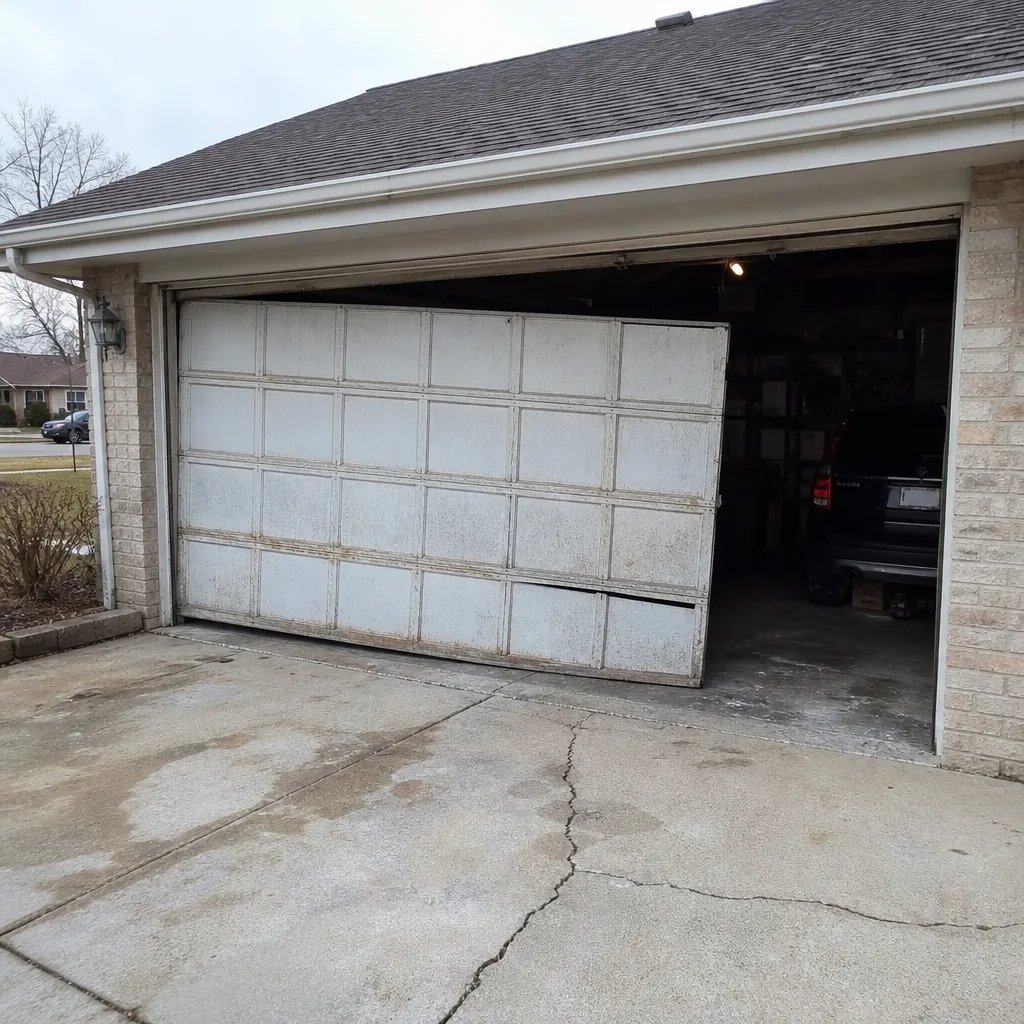 Before
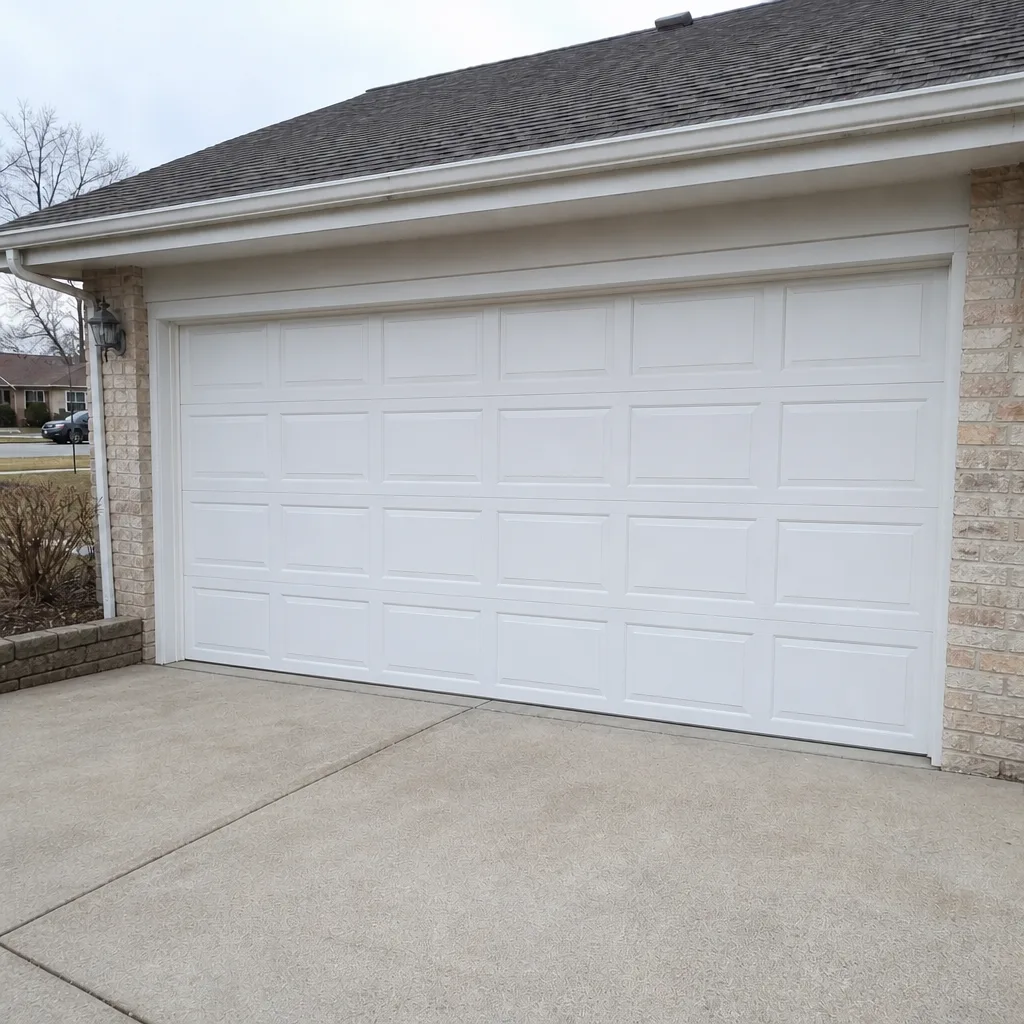 After
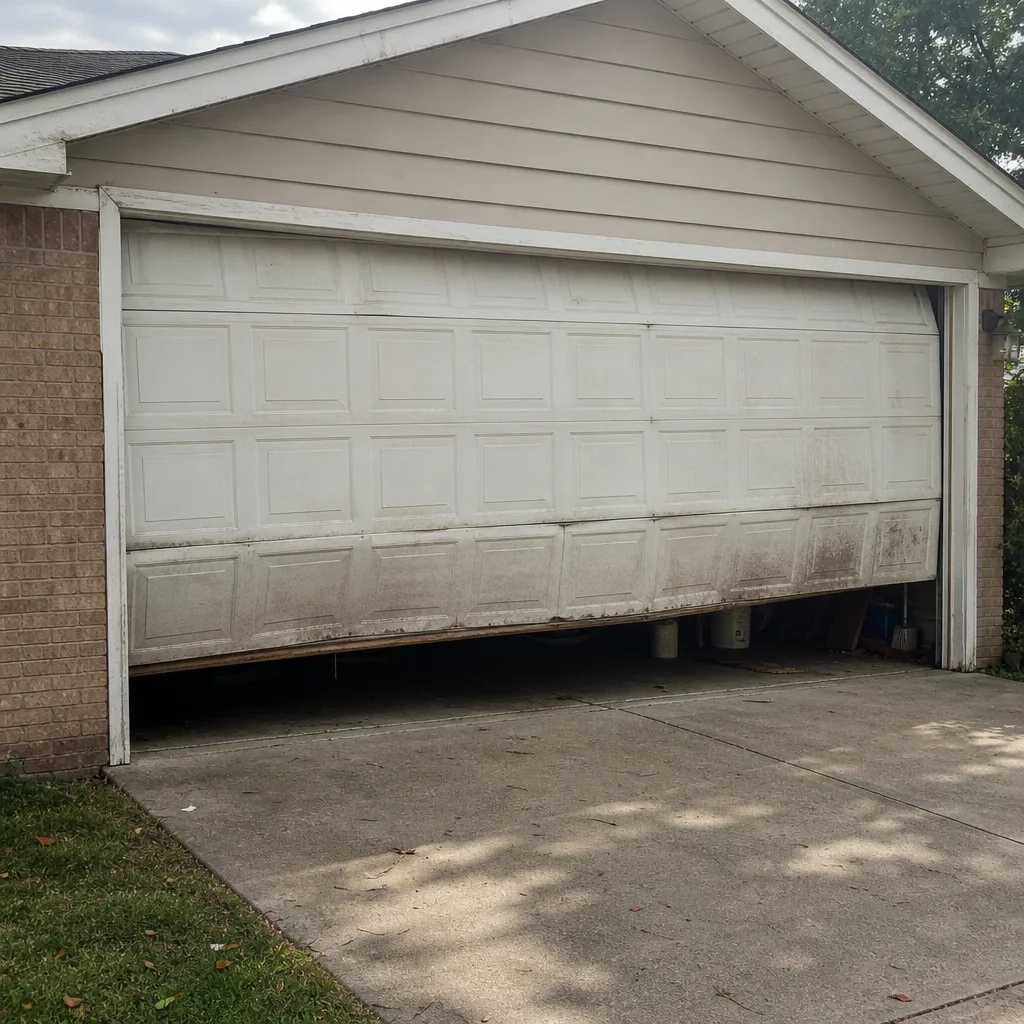 Before
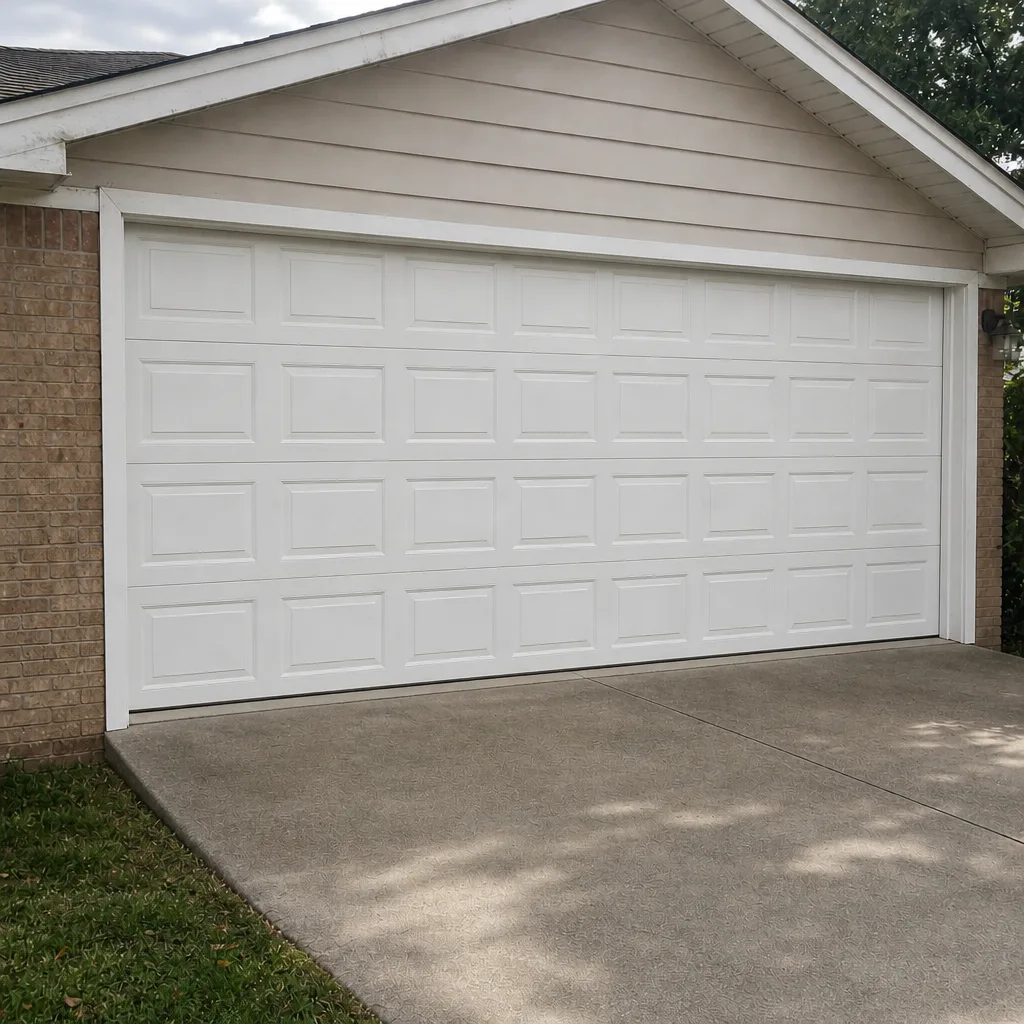 After
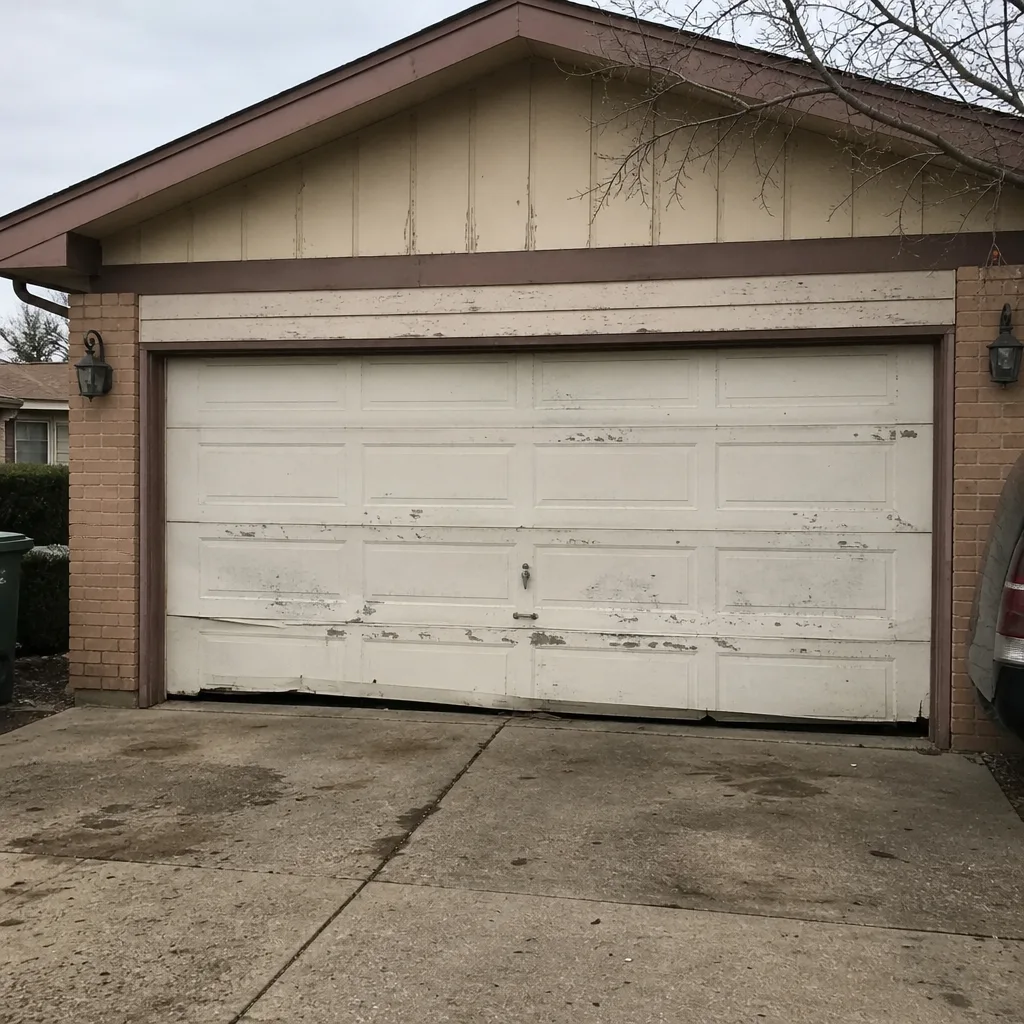 Before
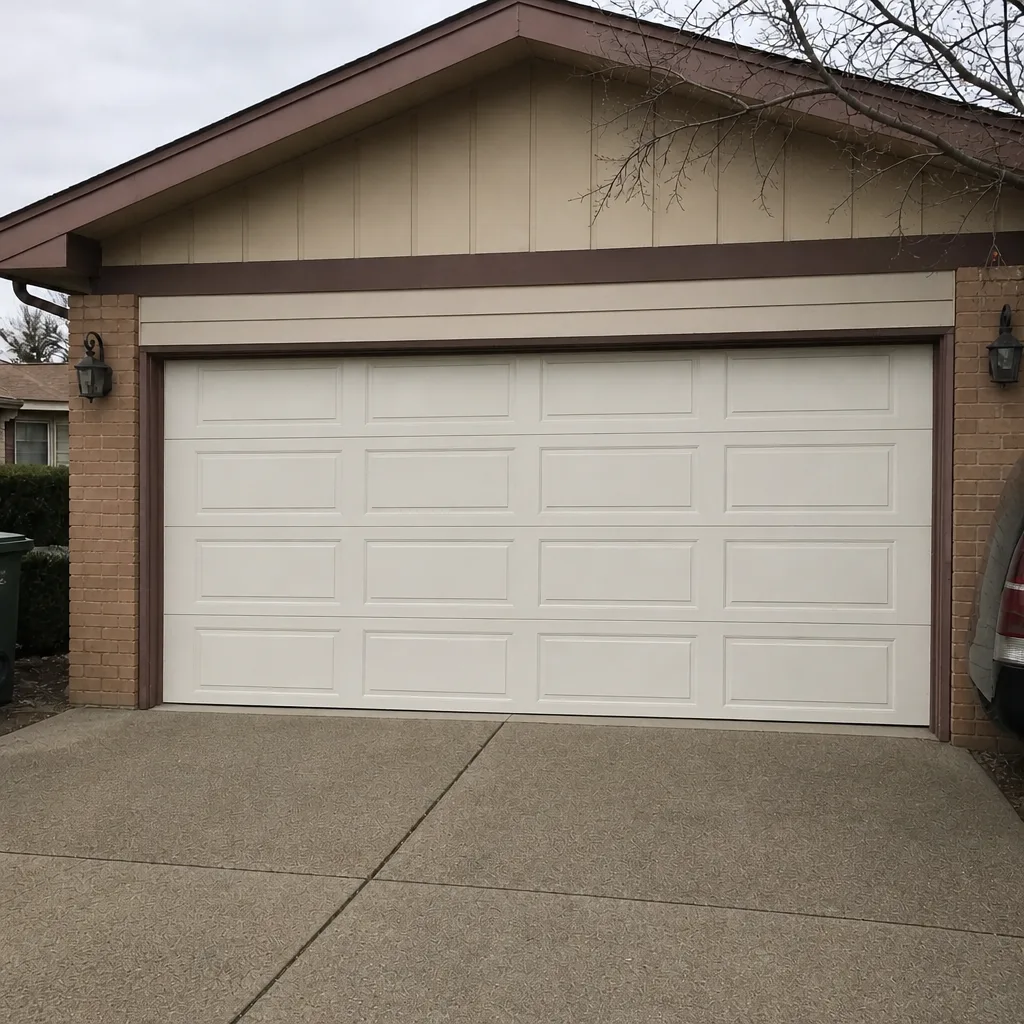 After
When to Call a Professional
Call us when the symptom involves a spring, a cable, a track that’s bent, a door off its track, or an opener you can’t get to respond. Those are the categories where a trained technician saves both time and risk, and where a small problem can turn into a large one if it’s left alone. Also call if a door is heavier than usual, if the opener reverses without obstruction, or if the door is visibly sagging on one side. Garage Door Repair Orland Park offers free estimates in Orland Park, and we can tell you over the phone whether the symptom you’re describing is an urgent job or something to schedule.
Call (855) 658-4224. We work with a full range of residential doors and openers, including brands like Genie, Clopay, Amarr, and Wayne Dalton, and we can help whether you need a same-day emergency response or a measured replacement plan.
Frequently Asked Questions
A snapped spring or a cable that’s come off its drum is the most urgent warning sign, and it means the door should not be used until it’s serviced. Spring and cable work is under extreme tension, and a door with a failed spring or cable can drop. Call (855) 658-4224 for a same-day emergency response; estimates are free.
A grinding noise usually points to worn or dry rollers or a roller that has seized, which is typically a modest fix rather than an emergency. It becomes more serious if the grinding is accompanied by scraping or if the door is visibly strained on one side. If you’re not sure, a short video of the door in motion lets a technician tell you which category you’re in before scheduling.
Yes. A door with one failed spring of a matched pair should not be cycled, because the remaining spring is carrying double the load it was designed for. The safest move in Orland Park is to leave the door closed and call (855) 658-4224 for an appointment; the door is unsafe to operate by hand until it’s serviced.
Pricing depends on the spring type and door weight, and we quote it in writing after we’ve inspected the door. A typical range is quoted per spring, and a matched pair usually costs more than a single spring because both are replaced together. The written estimate sets the final price before any work begins; call (855) 658-4224 and we’ll walk you through it.
No. Most opener error codes point to safety sensor alignment, travel limits, or force settings, not to the motor itself. The motor is usually the cause only when the opener runs, the door is confirmed free, and it still stalls under load. A brand-familiar technician can tell the difference quickly; call (855) 658-4224 for a diagnosis.
Once a month for a quick walk-around and once a year for a full safety reverse test are enough for most Orland Park homes. If your garage is the primary entry and it cycles many times a day, monthly checks matter even more. Any new sound, ayvisual change, or sudden heaviness is worth a call.
The Bottom Line
Garage door warning signs are component-specific, and reading them accurately is what separates a forty-dollar roller replacement from a bent track or a dropped door. The important habits: know which symptoms are scheduled repair (grinding, squeaking, rattling) and which are stop-and-call (snapped springs, fraying cables, off-track doors); check your door once a month from the floor without touching the springs or cables; and take any opening-closing reversal or error code seriously. If you can describe the symptom, we can tell you what it’s pointing to. Our technicians have up to 8 years of experience and are trained on the major residential brands. Call (855) 658-4224 for a free estimate.
Written by the team at Garage Door Repair Orland Park.