Last updated November 22, 2026
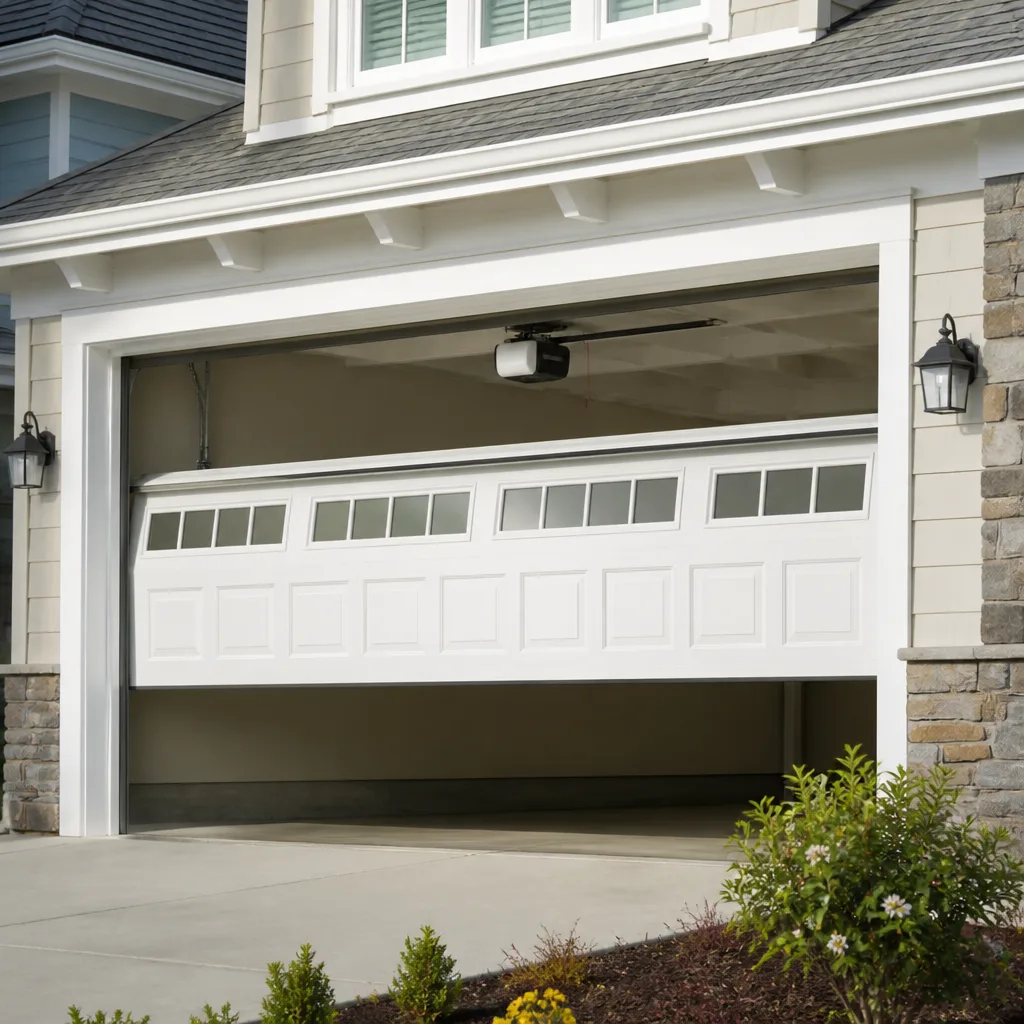
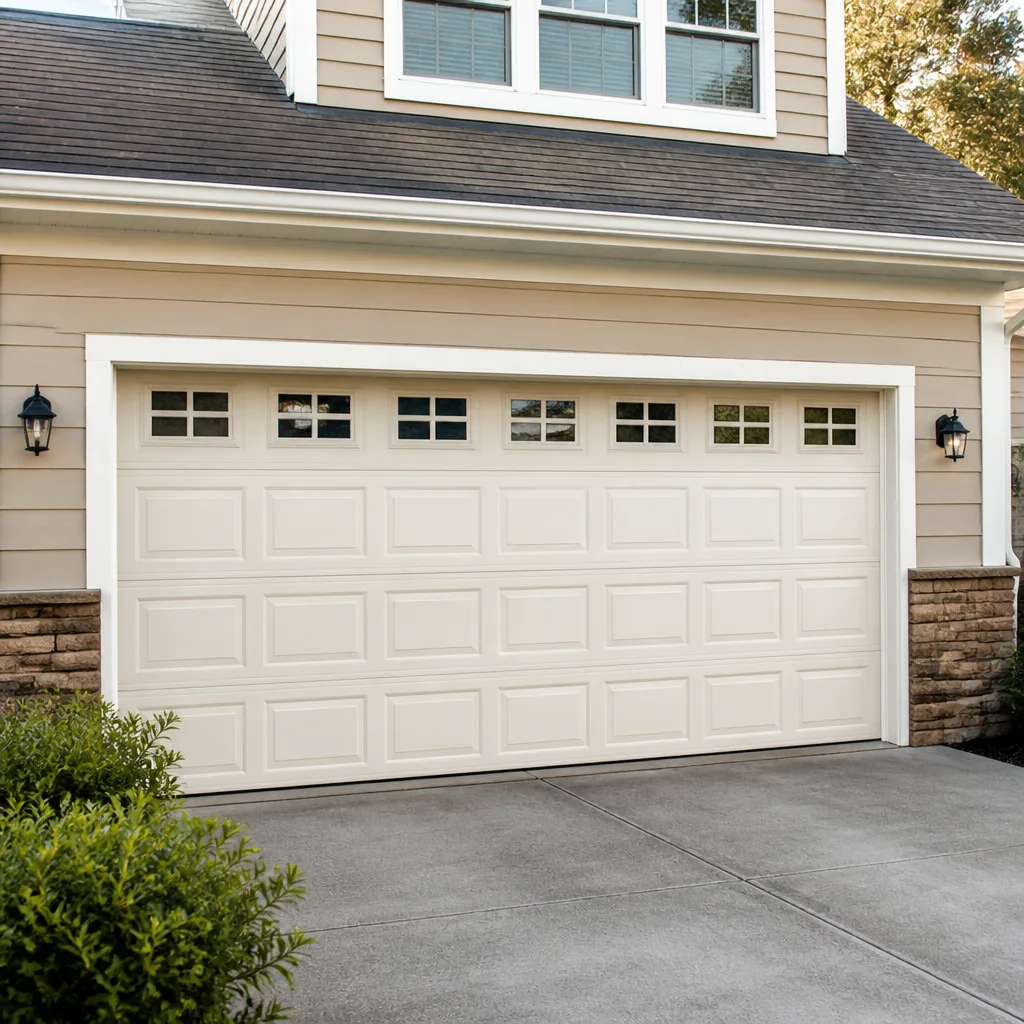 Raised-panel steel
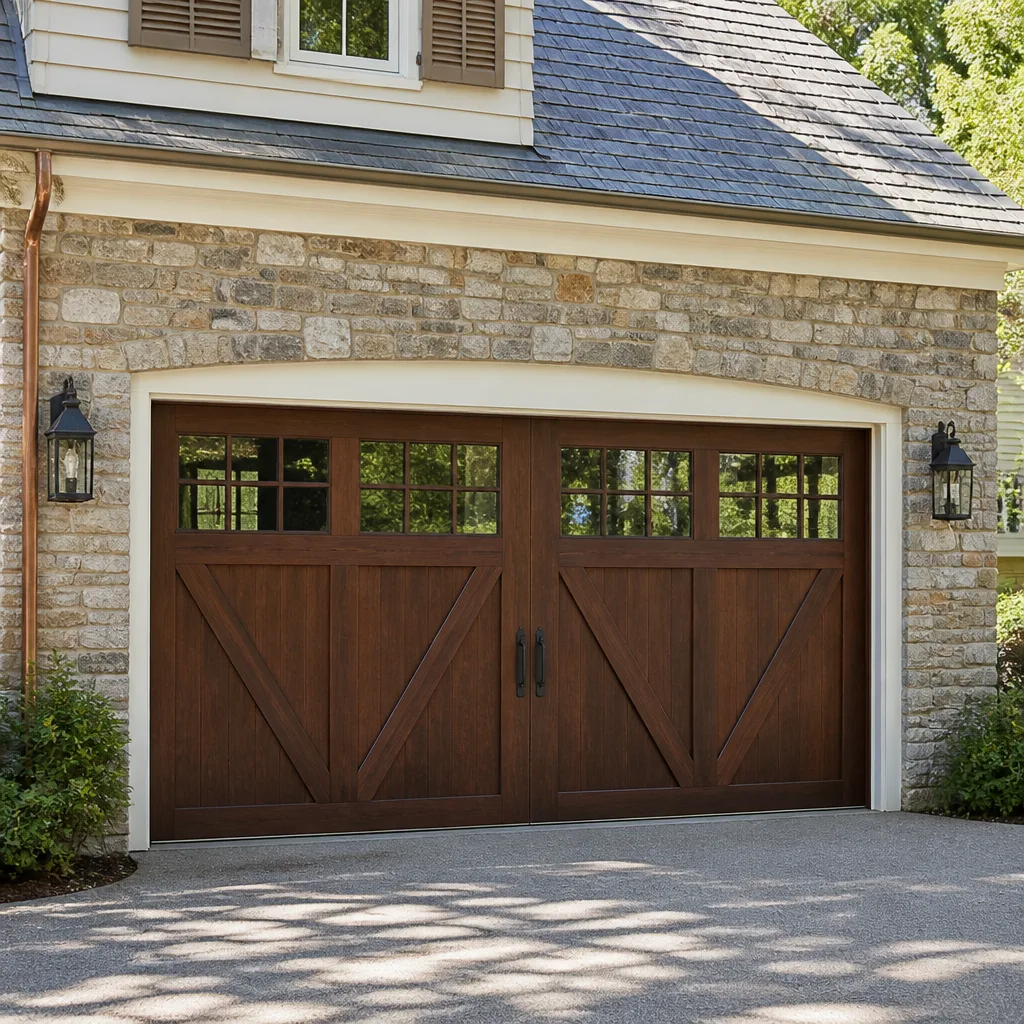 Carriage house
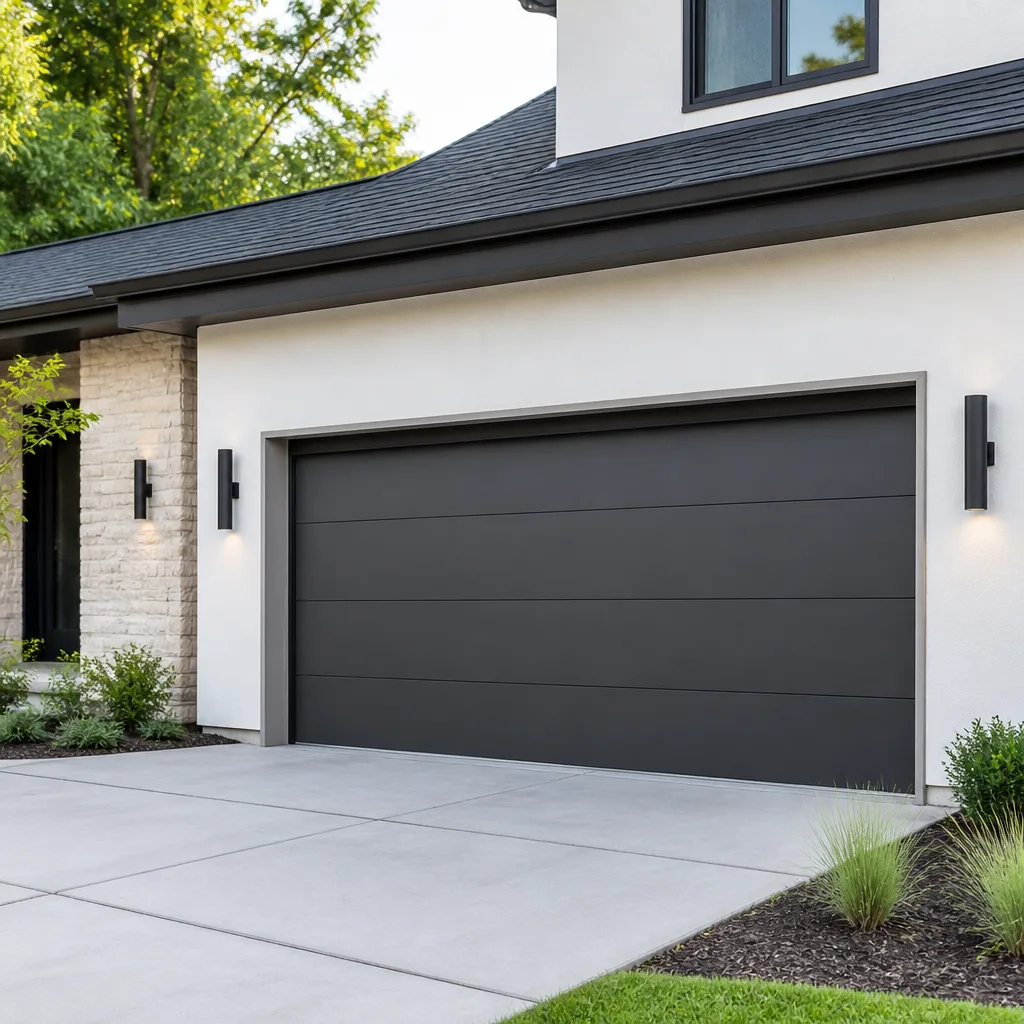 Modern flush
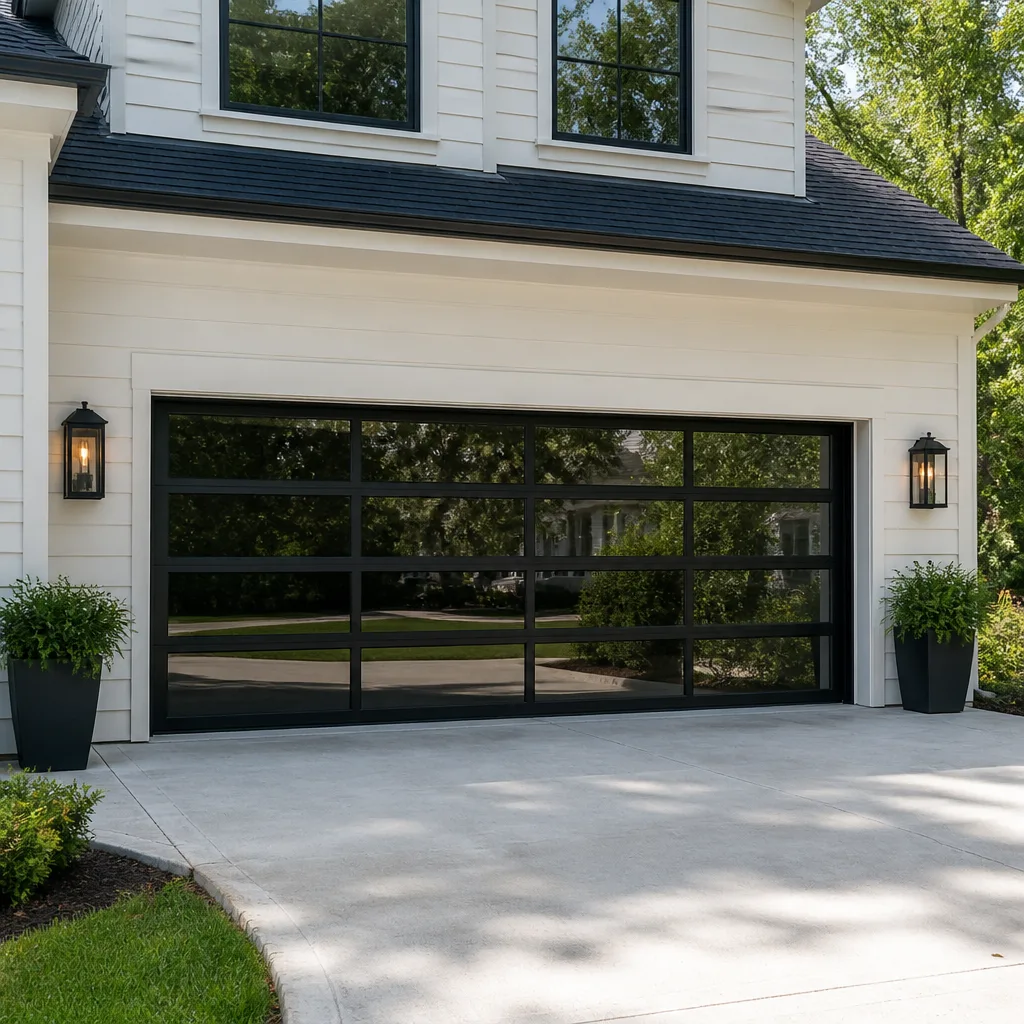 Full-view glass
 LiftMaster openers
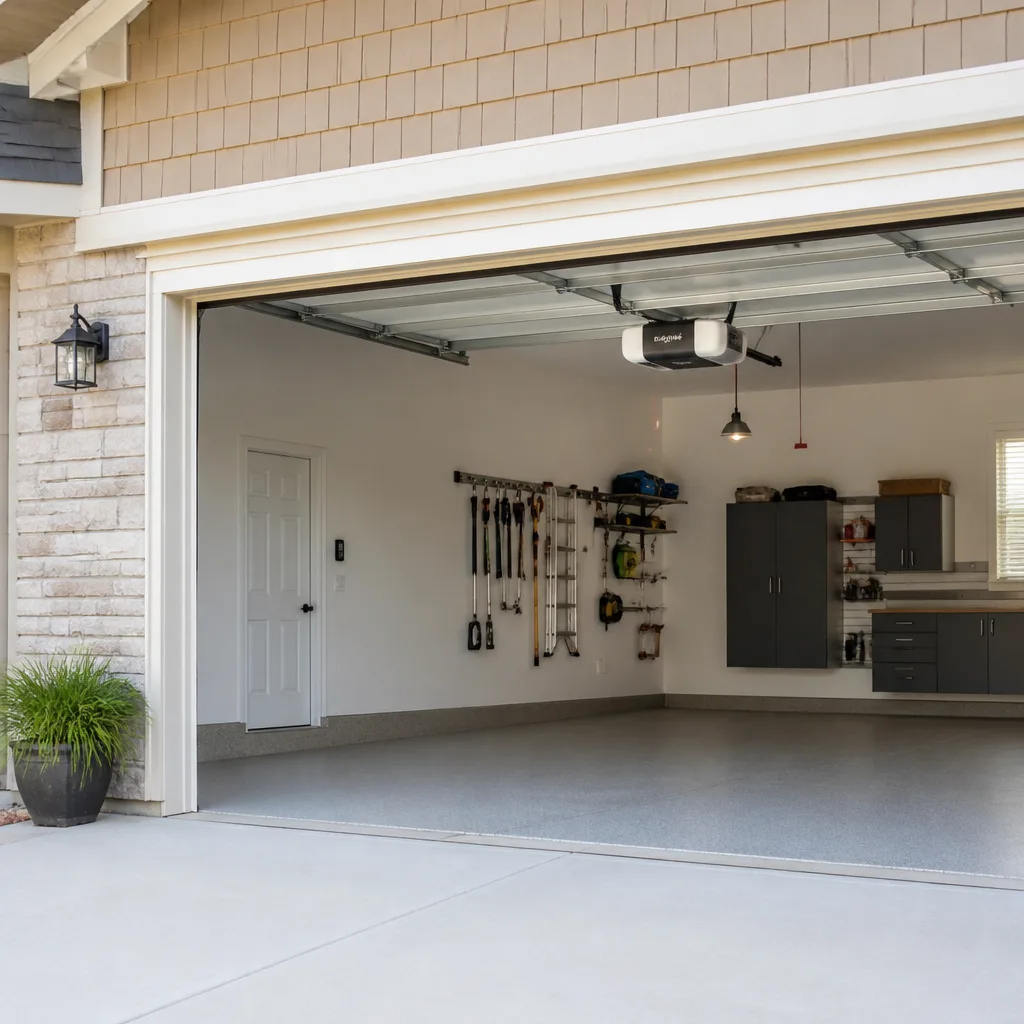 Chamberlain openers
Full 25-point door and opener safety check with every visit - springs, cables, rollers, tracks, and your LiftMaster or Chamberlain opener included
You get a price before we start. It does not change when the pro arrives.
Get your free estimateGarage Door Emergency Preparedness Guide for Orland Park Homes
Most homeowners treat a broken garage door like a leaky faucet: annoying, but something to get to eventually. That framing is wrong, and it’s the reason so many Orland Park households end up making a bad situation worse. A door stuck open in a January cold snap, a spring that snaps while your car is trapped inside, or a door hanging crooked off its tracks each create a clock that starts ticking the moment the failure happens. This guide walks you through the actual protocol for each of those emergencies, how to use the release cord without turning one problem into two, how to lock down a garage that won’t close, and what to have ready before you ever call. Read it now, while nothing is wrong. That’s the whole point of preparedness.
Quick Answer
If your garage door fails, the first 20 minutes matter most: don’t force the door, don’t pull the emergency release unless you understand what it disconnects, and secure the opening before you do anything else. Then call a garage door specialist with your door’s brand, opener model, and a description of what happened so the technician arrives with the right parts. Preparation before an emergency, not reaction during one, is what keeps a bad morning from becoming an expensive week in Orland Park.
Styles & brands we work with
- Raised-panel steel
- Carriage house
- Modern flush
- Full-view glass
- LiftMaster openers
- Chamberlain openers
Table of Contents
- The Three Garage Door Emergencies Orland Park Homeowners Actually Face
- Emergency 1: The Door Won’t Open and Your Car Is Trapped
- Emergency 2: The Door Won’t Close
- Emergency 3: The Door Is Off-Track or Hanging Crooked
- How to Use the Emergency Release Cord Safely
- Temporary Security for a Door Stuck Open
- What to Have Ready Before You Call
- Pre-Emergency Prep You Can Do This Weekend
- Common Mistakes to Avoid
- When to Call a Professional
- Frequently Asked Questions
The Three Garage Door Emergencies Orland Park Homeowners Actually Face
Nearly every emergency call we take in Orland Park falls into one of three buckets, and each has a different risk profile, a different set of first steps, and a different urgency level. Knowing which one you’re in tells you what to do next and how fast you need help.
The three are: a door that won’t open (usually a broken spring or a dead opener, with a car trapped inside), a door that won’t close (a safety sensor fault, a track obstruction, or a snapped cable, leaving your home open to weather and intruders), and a door that’s come off its tracks or is hanging visibly crooked. That third one is the most dangerous and the one most likely to cause real injury if a homeowner tries to force it.
- Won’t open: Car trapped, commute disrupted, but the door itself is intact and stationary. Lower immediate danger, high disruption.
- Won’t close: Home is exposed. In an Orland Park winter, this is the scenario with the fastest secondary damage risk.
- Off-track or crooked: The door is under tension in an abnormal position. Highest injury risk. Do not force it.
The single biggest mistake Orland Park homeowners make is treating all three the same way. A door that won’t close and a door that’s off its tracks require completely different responses, and mixing them up is how a $200 repair turns into a $900 one. When in doubt, stop, secure the opening, and call.
Emergency 1: The Door Won’t Open and Your Car Is Trapped
This is the classic 6 a.m. Orland Park emergency: you hit the remote, the opener hums for a second, and nothing moves. Nine times out of ten, a torsion or extension spring has failed, and the opener is trying to lift a door it can no longer counterbalance. The opener isn’t strong enough to do that on its own, so it strains, stalls, or trips its internal overload protection.
Here’s the sequence to run through calmly:
- Stop pressing the remote. Repeated attempts stress the opener’s gears and can burn out the motor on a door that’s already fighting dead weight.
- Listen and look. Does the opener run but the door stays put? That points to a broken spring or a disconnected trolley. Does the opener click once and go silent? That points to an opener fault or a power/safety-sensor issue.
- Check the obvious first. Confirm the opener has power, the wall switch works, and the safety sensors at the bottom of the tracks have their indicator lights on. A misaligned sensor stops a door from closing, not opening, but it’s worth ruling out.
- Do not force the door up by hand. A door with a broken spring can weigh well over 100 pounds and will come crashing down the moment you let go.
- Call for emergency service. Give the technician the door and opener brands and what you observed; that gets the right parts on the first visit.
If you genuinely need the car out before help arrives, there is one safe option: pull the emergency release cord (covered in detail below) to disconnect the opener, then lift the door by hand with two people, and prop it securely open with clamps or locking pliers on the tracks before driving out. Never leave it propped on friction alone. If the door feels unusually heavy or won’t stay up, leave it closed and call first; it’s not worth the risk.
Emergency 2: The Door Won’t Close
A door that won’t close is the most underrated emergency in Orland Park, and in winter it’s the most urgent. An attached garage that sits open on a January night loses heat fast, and the pipes running along the garage wall or into the house are the first thing to feel it. You also have a wide-open entry into your home that you can’t lock. This one needs to be addressed the same day.
Run this check before you call:
- Safety sensors: Look at the two small lenses near the floor at the base of each track. Most have indicator lights; if one is off or flickering, it’s misaligned, dirty, or blocked. Wipe them clean and check for anything in the beam’s path.
- Obstruction: Check the tracks and the floor for debris, a broom, a kid’s toy, or a chunk of snow and ice. Ice buildup at the threshold is common in Orland Park winters and can trip the door’s reversal.
- Limit settings or a stuck trolley: If the door goes down partway and reverses back up, the travel limits may have drifted, or the opener’s down-force setting is sensing resistance.
- Broken cable: Look along the sides of the door. A snapped lift cable will leave a loose, dangling wire and the door will hang uneven. Do not touch it. Cables are under extreme tension.
If the sensors are clean and clear and the door still won’t close, it’s a mechanical or opener fault and you need a technician. In the meantime, protect the opening: pull a vehicle up close to the door from inside, or brace the door down manually and bar it. Never leave an Orland Park home wide open overnight if you can avoid it.
Emergency 3: The Door Is Off-Track or Hanging Crooked
An off-track door is the one emergency where the correct first move is to do nothing. When a door jumps its tracks, it’s usually because a roller failed, a track got bent, or a cable snapped, and the door is now hanging in a position that the springs, cables, and opener were never designed to hold. Forcing it back into place can drop the door, snap a cable, or send a roller flying.
The safe protocol for an off-track door in Orland Park:
- Do not operate the opener or lift the door. Leave it exactly where it is.
- Keep people and pets clear of the door and the tracks. An off-track door can shift without warning.
- If the door is partially open and the car is inside, don’t drive under it. An unstable door can come down.
- Note the position. Is the top section out of the track, the bottom, or is the whole door tilted? This tells the technician whether it’s a bent track, a failed roller, or a cable.
- Call for emergency service and describe the position. Off-track is a trained-technician job, full stop.
Off-track doors are common after Orland Park’s freeze-thaw cycles, when a door that binds a little in cold weather finally jumps the track. If your door has been catching, dragging, or running rough in cold weather, that’s the warning sign; get it adjusted before it fails.
How to Use the Emergency Release Cord Safely
The emergency release cord is the most misused component on any garage door, and in a crisis it’s the one homeowners grab first without understanding what happens next. That cord does not repair anything. It disconnects the opener’s trolley from the door so the door can be moved by hand, and on most residential doors it leaves the door supported only by its springs. If a spring is broken, pulling that cord can turn a stuck-closed door into a falling door.
So here’s how to think about it before you pull:
- What it does: Releases the trolley from the door arm so the door slides freely on the tracks, independent of the opener.
- When it’s safe to pull: When the door is fully closed, and the springs are intact. Not when the door is open or hanging crooked, and not when a spring has clearly failed.
- What to do after pulling: Lift the door by hand with both hands and a second person, and prop it open securely with clamps before you walk away. Never leave a disconnected door propped on nothing.
- When NOT to pull: If the door is off-track, hanging crooked, or a spring or cable has visibly broken, leave the cord alone and wait for a technician.
- Reconnecting it: Most trolleys reconnect when you pull the cord back toward the opener and the door travels back into place. If it won’t reconnect, the trolley may be damaged.
One more note: on many LiftMaster and Chamberlain openers, the release cord hangs from the trolley along the center rail, and homeowners sometimes pull the wrong cord or yank the trolley off the rail entirely. If you’re not sure which is the release cord, don’t guess. Call first and we’ll talk you through it. For a full breakdown of how openers fail and what a repair involves, see our page on garage door opener repair.
Temporary Security for a Door Stuck Open
If your garage door is stuck open and help is on the way, the priority is protecting the opening until the technician arrives. This is the four-hours-before-you-have-a-real-problem window in winter, and it’s the difference between a repair call and a burst-pipe call. Here’s how Orland Park homeowners can buy time safely:
- Park a vehicle across the opening from the inside if the garage is detached or you have a second car. It’s not a lock, but it stops casual entry and blocks the wind.
- Back the family car up to the door from outside if you can’t block it from within. Line the bumper up close to the opening and leave it there until the door is fixed.
- Brace the door manually if it’s closed and only failing to stay shut. Bar it from the inside with a length of lumber across the frame, or wedge it with clamps on the tracks, so it can’t be lifted from outside.
- Close the door into the house (the connecting door from garage to living space) and keep it locked.
- Protect pipes: If the garage is attached and open to the cold, run a space heater on low nearby, or crack a faucet on the interior wall to a trickle until the door is closed. Don’t leave a heater unattended near anything flammable.
- Keep the garage interior lit so the opening is visible and less attractive to anyone passing by.
None of this replaces a repair. But it does convert an open, unsecured, heat-hemorrhaging garage into a managed situation until a technician can get the door operating again.
What to Have Ready Before You Call
The single most effective thing you can do to make an emergency visit go smoothly is have information ready before you dial. A technician who knows your door and opener brands, the symptoms, and the door’s position can arrive with the right springs, cables, rollers, or opener parts and finish the job in one visit. A technician working from a vague description often has to come back with a part. Getting this ready takes five minutes and saves you a day.
Have these ready when you call for emergency service:
- Door brand and type. Is it a sectional door? A Raynor, a Clopay, an Amarr, a Wayne Dalton? The brand is usually stamped on a sticker on the inside of the door or visible on the door’s label.
- Opener brand and model. LiftMaster, Chamberlain, Genie, and similar. The model number is on a label on the opener motor housing or inside the light cover.
- What happened and what you observed. “Opener hums, door doesn’t move” is very different from “door came off the track on the left side.” Both are useful; the more specific, the better.
- Which emergency it is. Won’t open, won’t close, off-track, or spring visibly broken.
- Whether anything is trapped. A car inside, or a person or pet.
- Photos. A couple of clear photos of the door, the tracks, and the opener help enormously. Take them from a safe distance if the door is off-track.
- Your address and gate/access details. If the door faces a shared driveway or a tight alley, mention it.
Our technicians are familiar with the eight most common residential brands, including LiftMaster, Chamberlain, Genie, and Clopay, so a quick heads-up on brand means they’re already thinking about the specific quirks that brand tends to have.
Pre-Emergency Prep You Can Do This Weekend
Every emergency above gets easier if you do a little work now, while your door is still operating. This is the preparedness part, and it’s the piece almost every Orland Park homeowner skips. None of it takes more than an afternoon, and all of it saves you panicked searching and risky decisions later.
Keep this in your phone and your garage:
- A photo of your door’s brand label and your opener’s model label, stored in a phone album called something you’ll remember. You will not want to hunt for these in the dark with a car trapped.
- A note of your opener’s brand and model, the door’s approximate width and material, and the year the door or opener was last serviced (if you know it).
- A flashlight that works, kept in the garage where you can reach it without stepping over anything.
- A pair of locking pliers or C-clamps, the tools you’d use to hold a manual-release door open.
- Our number saved in your phone: (855) 658-4224. Save it now, before you need it.
- A “do not pull” reminder. If someone in your household might grab the release cord in a crisis, put a small tag or note on the cord so they know to read this guide first.
Then do a quick physical check on the door itself once a season. Lift the door halfway by hand and let go; a healthy door should stay roughly in place. If it drops, sags, or feels heavy, the springs are weakening and it’s time for service, not an emergency. Note whether the door rattles, drags, or binds in cold weather. If it does, get it adjusted before an Orland Park freeze-thaw cycle jams it off-track. And replace any opener battery in your remote that’s weak before failure season.
If your door is showing any of those warning signs, don’t wait for a breakdown. Schedule a garage door repair while the door still moves, and we’ll catch the problem before it becomes an emergency.
Common Mistakes to Avoid
- Pressing the remote over and over when the door won’t move. If the opener is fighting a broken spring, repeated attempts strip the gears and can burn out the motor. Stop after the first attempt and troubleshoot.
- Pulling the release cord on an off-track door. This is the single most dangerous thing you can do in a garage door emergency. It turns a stable, stuck door into a falling one. If the door is crooked, leave the cord alone.
- Trying to lift a door with a broken spring by hand. A broken torsion or extension spring leaves the door dead weight, and it will come down. This is exactly the scenario that injures homeowners every year.
- Leaving the door open overnight in winter. An attached garage that sits open on a January night in Orland Park can freeze the pipes on the wall in a few hours. Block the opening with a vehicle, brace the door, or run heat nearby until help arrives.
- Calling without brand and symptom details. A vague call (“my door’s broken”) means the technician arrives without the right parts and you may need a second visit. Get the labels and describe the symptoms.
- Assuming a slow, dragging door in cold weather is normal. Cold can affect a door, but a door that binds, drags, or jumps is telling you something’s wrong. Address it before a spring or track fails.
- Putting off spring service until they snap. Springs are the most neglected component on the door and the most dangerous to handle. A little proactive care now prevents the 6 a.m. emergency later.
When to Call a Professional
Call a garage door specialist if any of these are true: a spring has visibly snapped or the door won’t lift; the door has come off its tracks or is hanging crooked; a cable is broken or dangling; the door won’t close and cleaning the safety sensors didn’t fix it; the opener runs but the door doesn’t move; or the door is stuck open and you need it secured. Turn to a technician, not a general handyman, for these; garage doors carry stored spring tension and are a specialist trade. Garage Door Repair Orland Park offers free estimates in Orland Park; call (855) 658-4224. If you’re hearing a bang and finding a snapped spring, that’s a dedicated garage door spring repair job, and our technicians have up to 8 years of experience handling that exact high-tension repair.
Frequently Asked Questions
Stop pressing the remote, check that the opener has power and the safety sensors are clear, and look for a visibly broken spring. Then call a specialist with your door and opener brands and what you observed. Don’t force the door up by hand; a door with a failed spring is dead weight. For help, call (855) 658-4224.
Most emergency garage door repairs in Orland Park run in a typical range based on what failed, and the written estimate sets the final price before any work starts. Spring repair starts around the low hundreds per spring, off-track realignment and cable repairs are usually in the middle range, and opener repairs vary by part. Call (855) 658-4224 for a free estimate.
Yes. Emergency garage door service is a core offering, and a stuck-open or off-track door is exactly the scenario it’s for. Call (855) 658-4224 and we’ll get a technician out; describe the position so they arrive with the right parts.
Only if the door is fully closed and the springs are intact. If the door is off-track, hanging crooked, or a spring has snapped, don’t pull it; it can drop the door. When in doubt, call (855) 658-4224 and we’ll talk you through it.
Our technicians are familiar with eight of the most common residential brands, including LiftMaster, Chamberlain, Genie, and Clopay, so they diagnose brand-specific issues without a learning curve. That means fewer return visits. Call (855) 658-4224 for a free estimate.
Block the opening with a vehicle from inside or out, lock the connecting door into the house, and keep the garage lit. A door stuck open in an Orland Park winter needs the opening blocked fast to protect any pipes along the garage wall. Call (855) 658-4224 and we’ll get someone out.
The Bottom Line
A garage door emergency is manageable if you know what to do in the first 20 minutes. Stop forcing the door. Don’t pull the release cord on an off-track or broken-spring door. Secure the opening before you do anything else, and call with your door and opener brands, the symptoms, and photos ready. Keep your labels and our number in your phone so you’re never searching mid-crisis. Most of these situations are resolvable in a single visit if you’ve done the prep. Our team at Garage Door Repair Orland Park handles the full range, from an emergency call to full installation, with brand-familiar technicians and up to 8 years of experience. If your door is stuck, off-track, or won’t close, call (855) 658-4224 now for a free estimate, and we’ll get your garage working again.
Written by the team at Garage Door Repair Orland Park.
See the difference
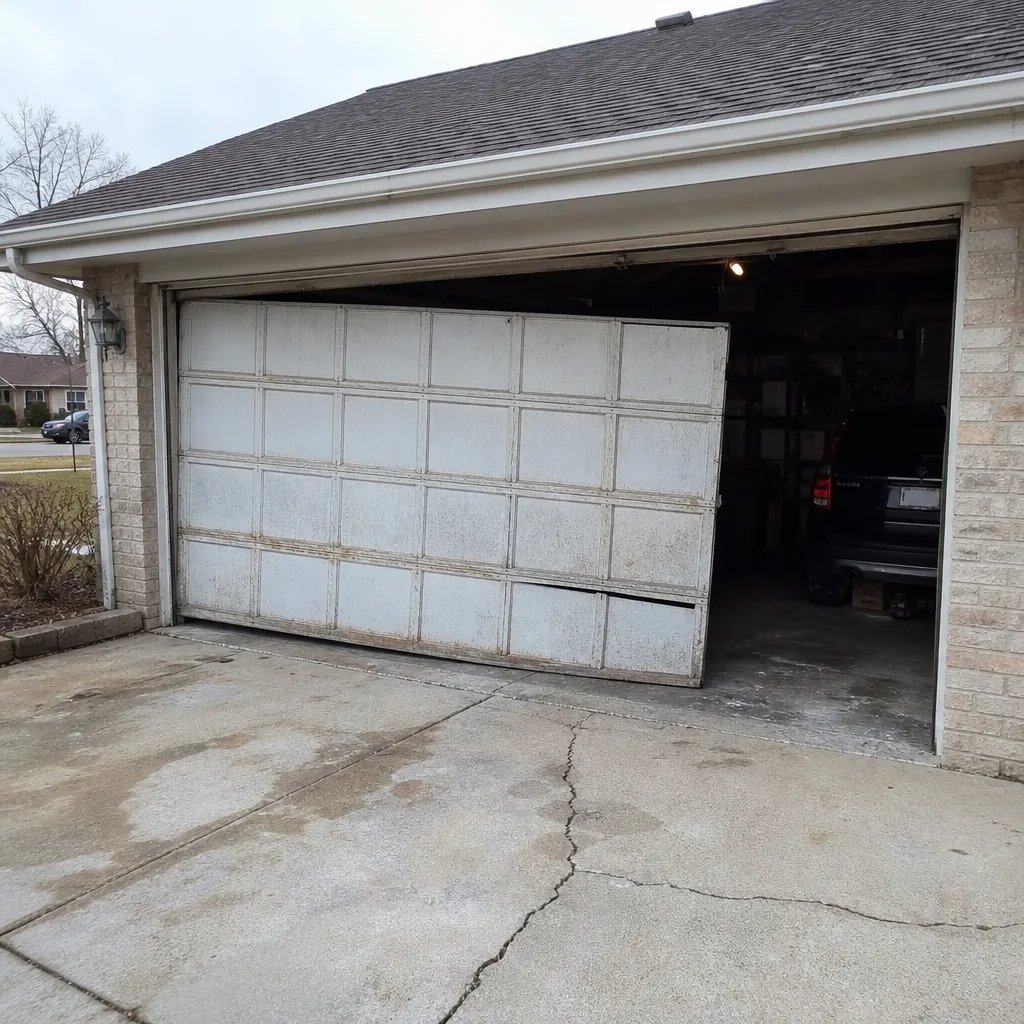 Before
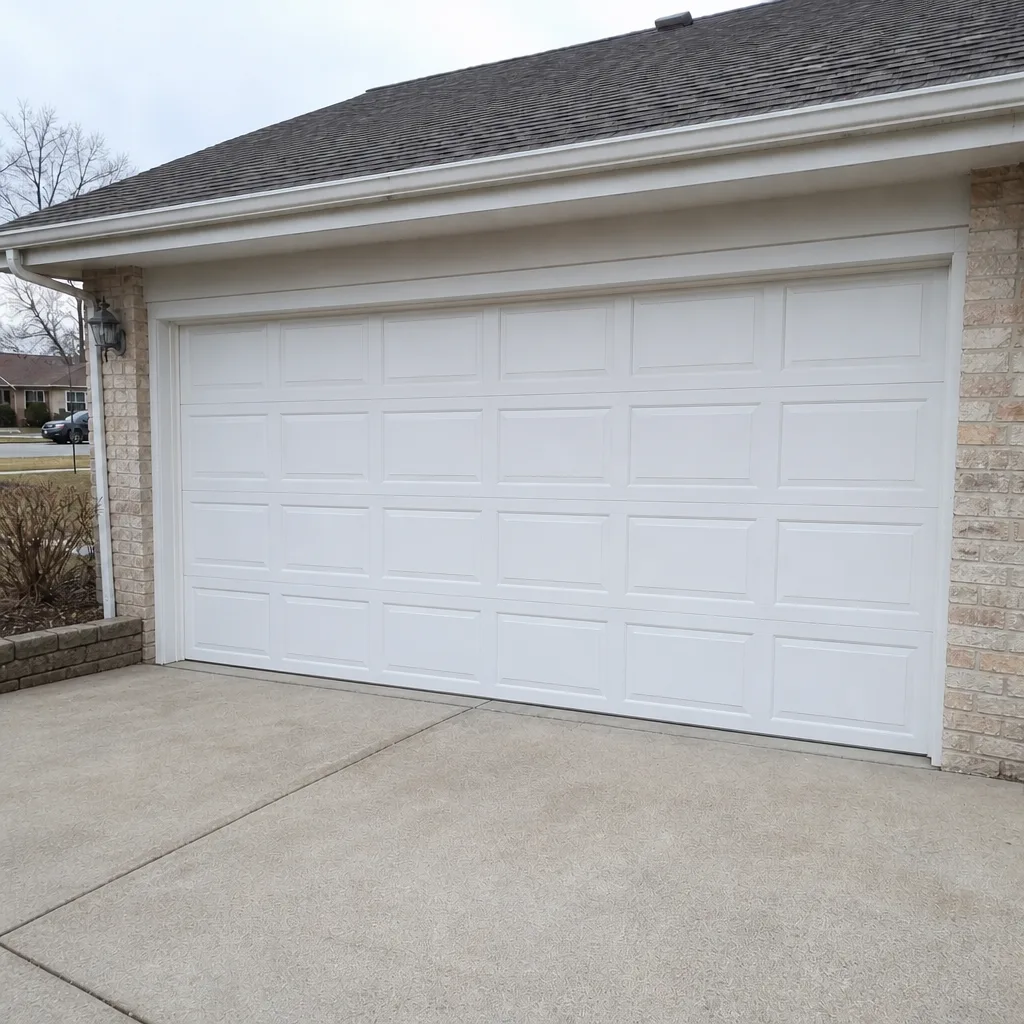 After
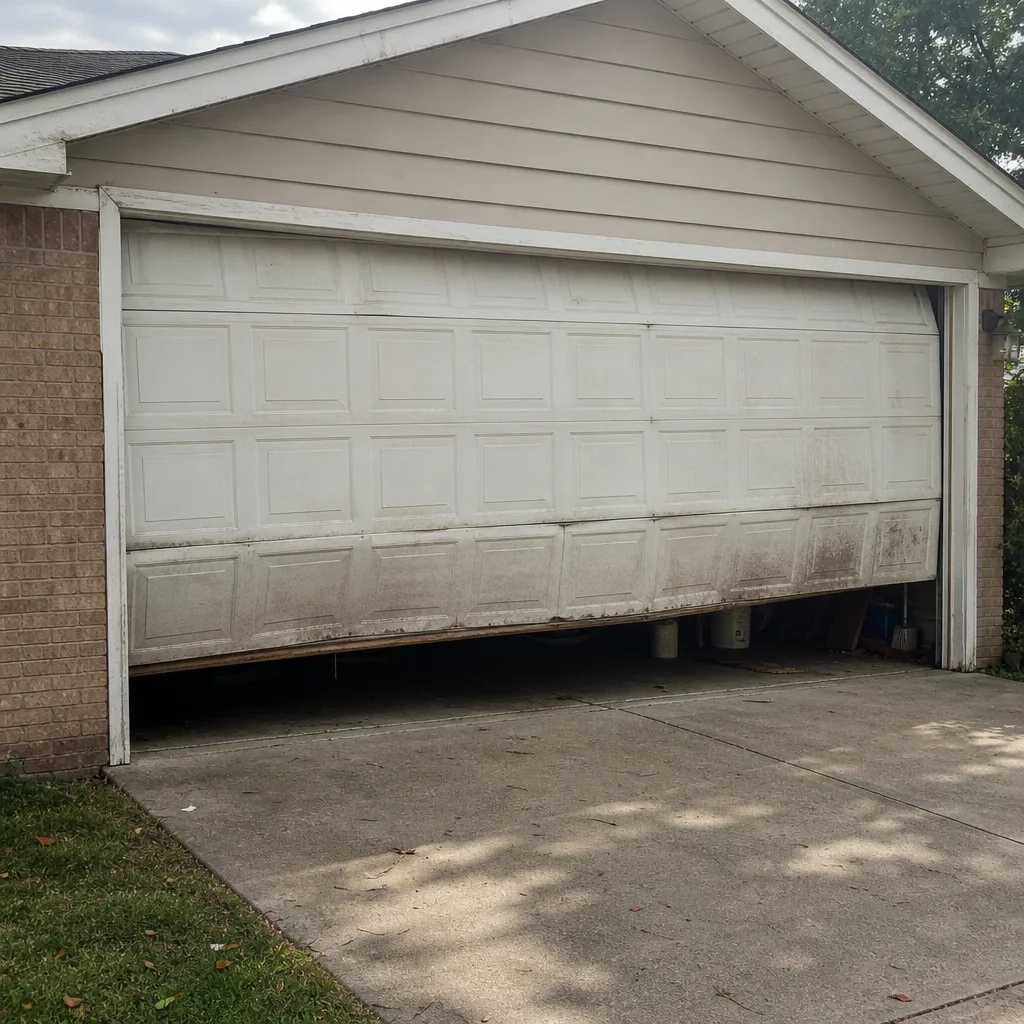 Before
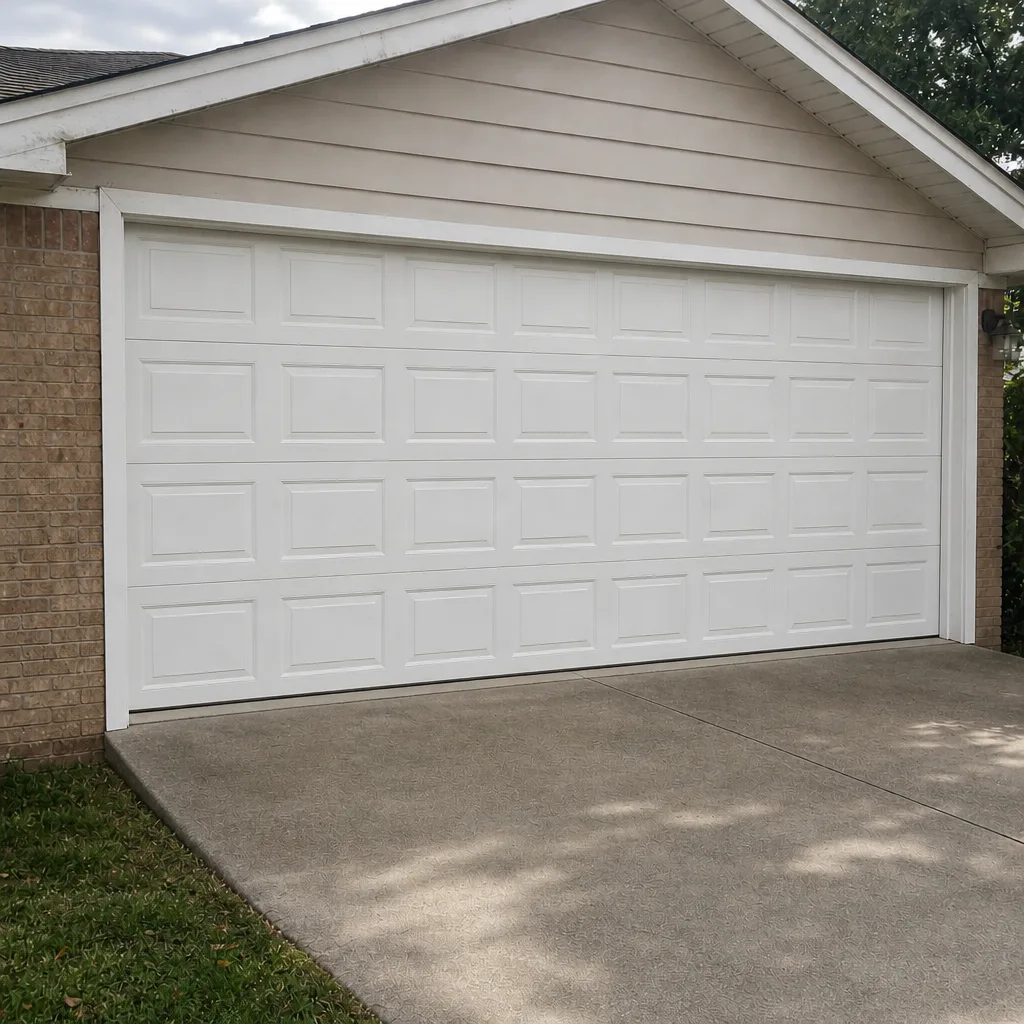 After
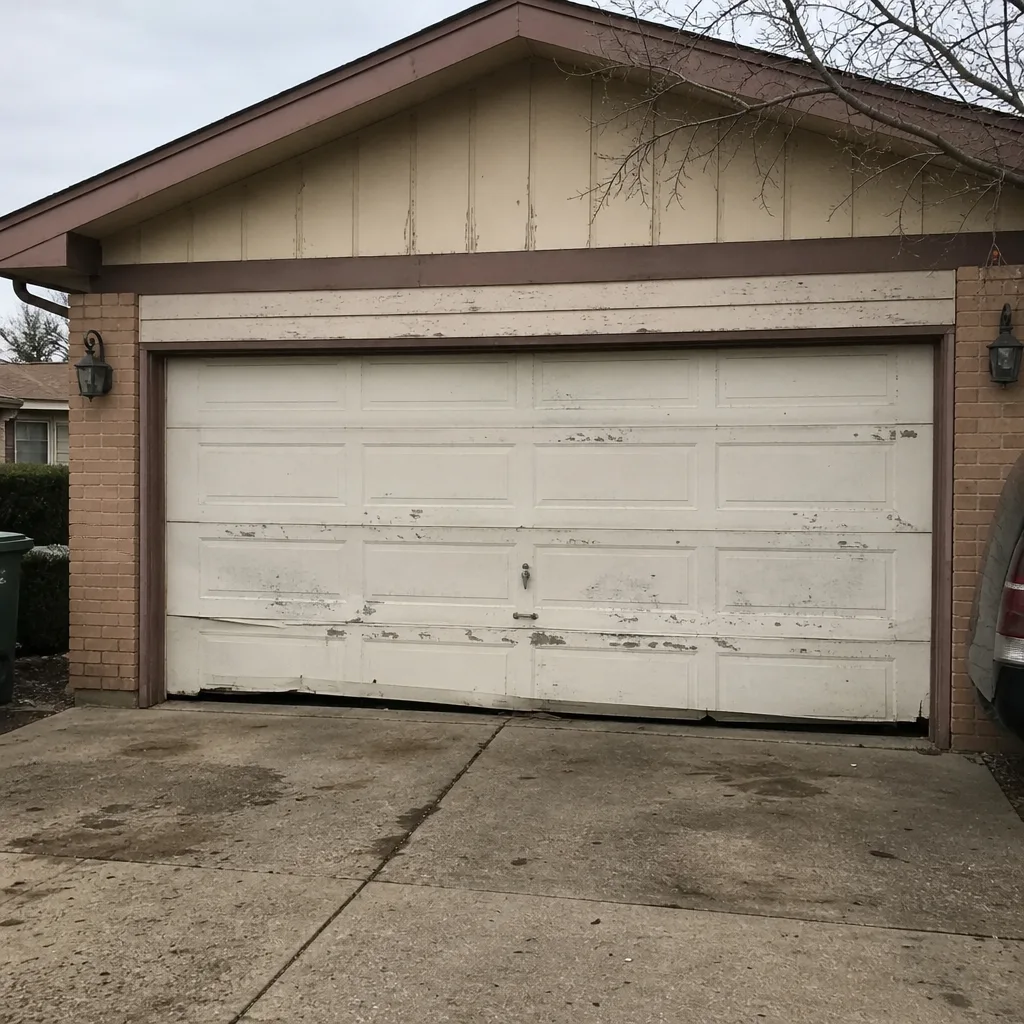 Before
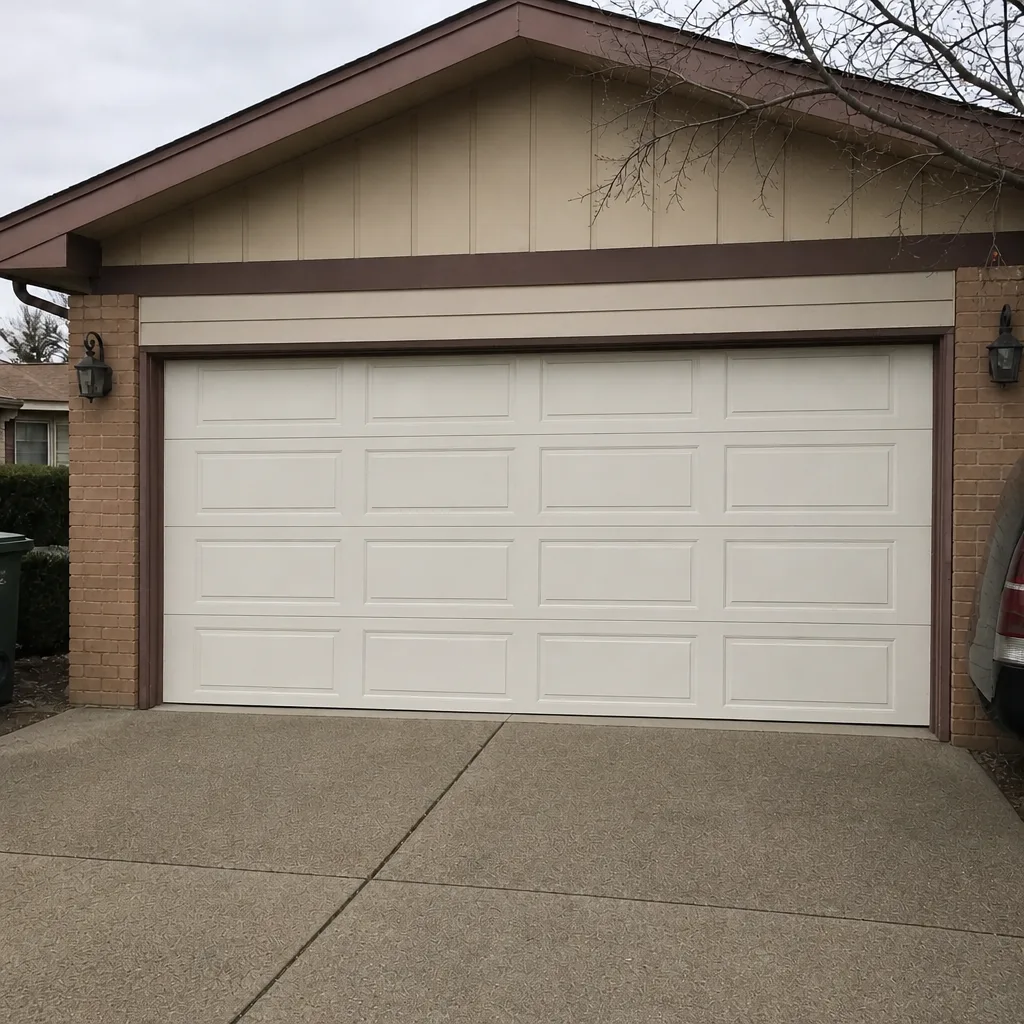 After