Last updated November 22, 2026
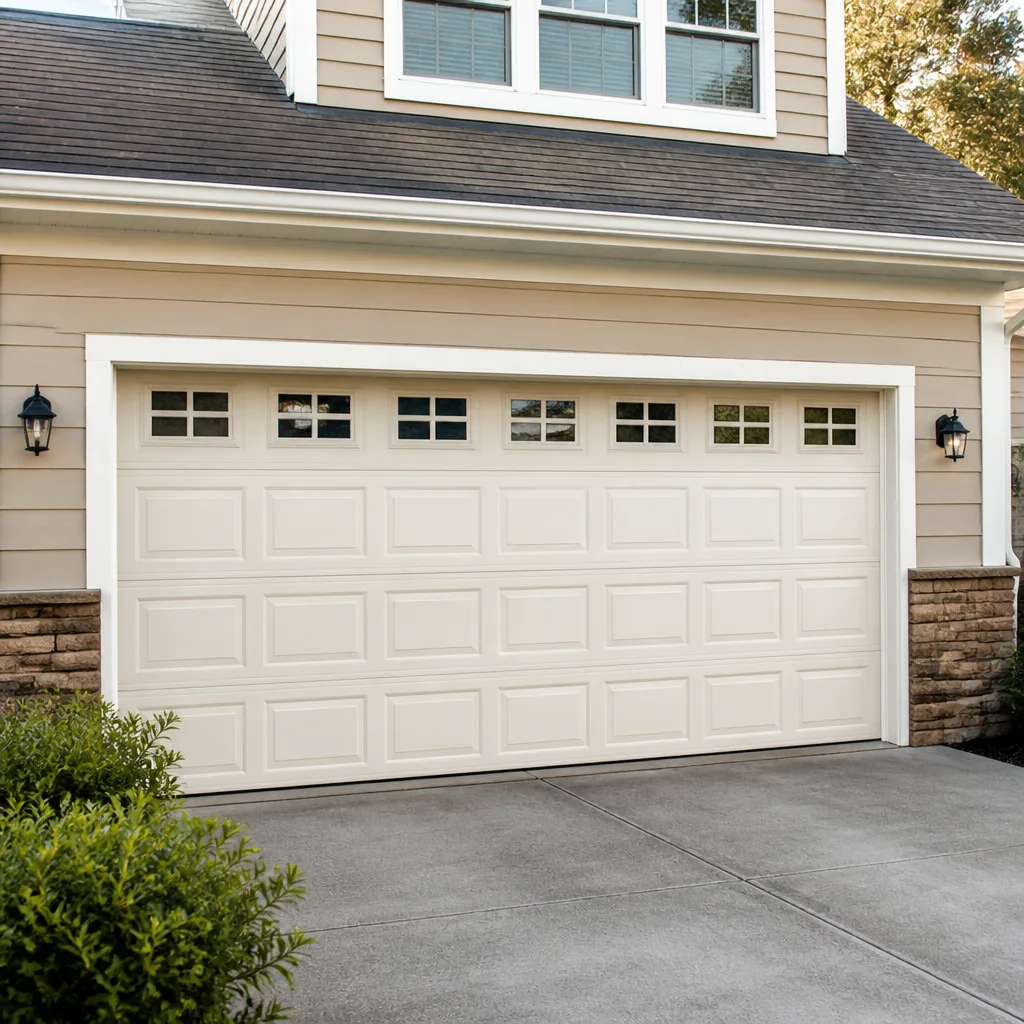 Raised-panel steel
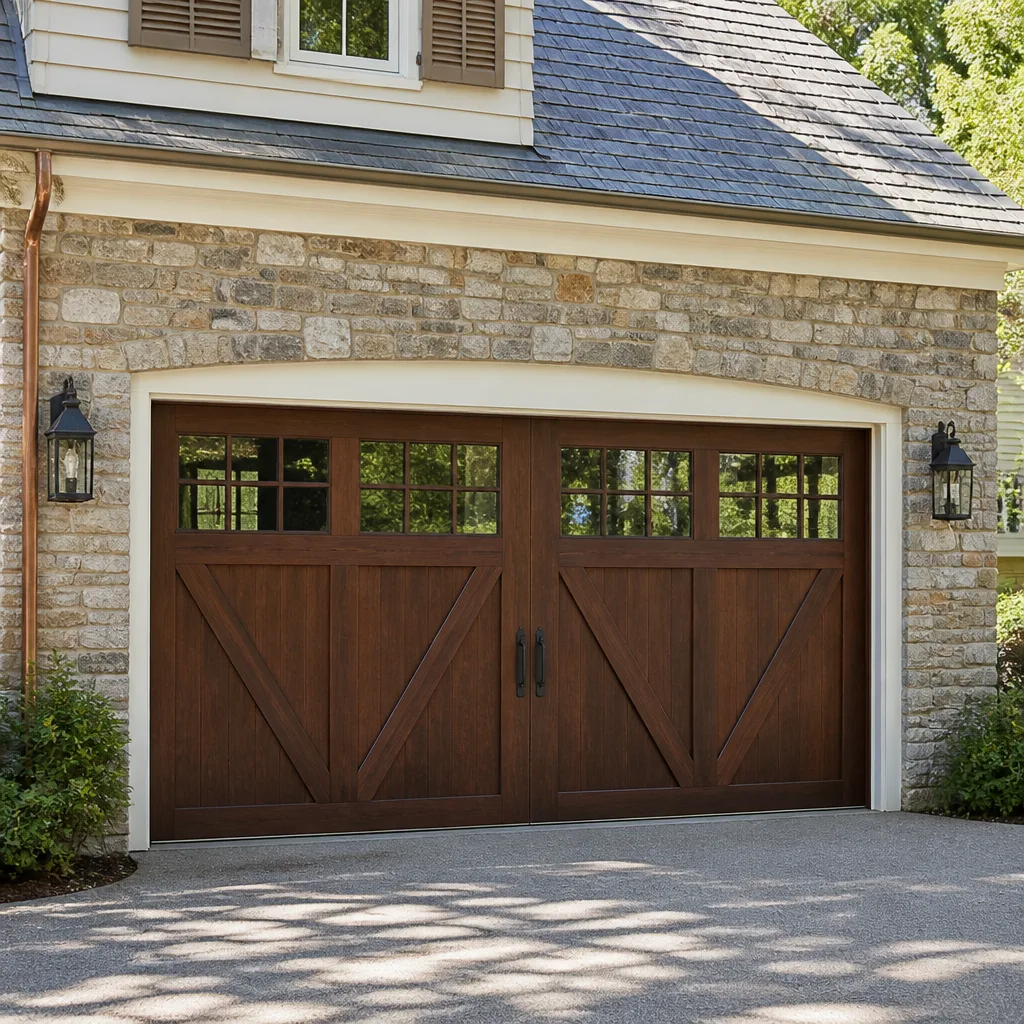 Carriage house
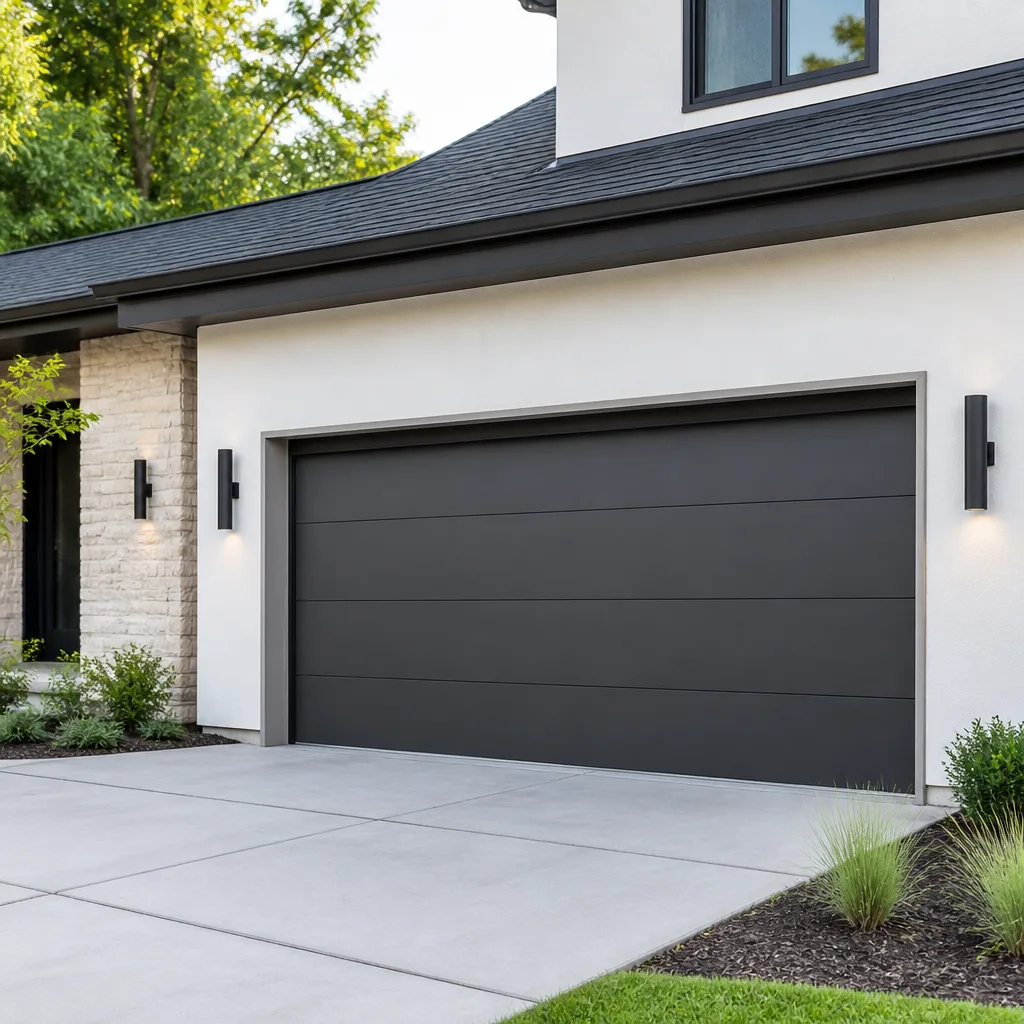 Modern flush
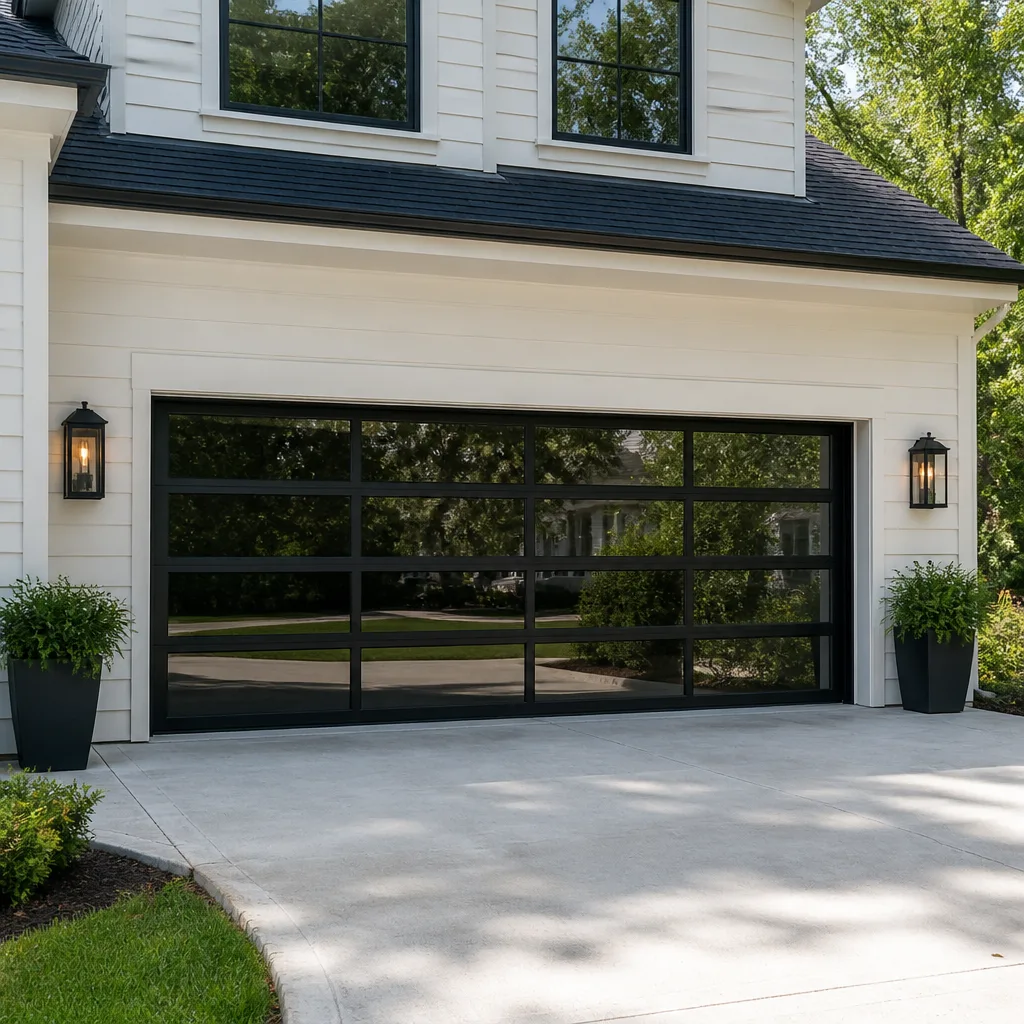 Full-view glass
 LiftMaster openers
 Chamberlain openers
Full 25-point door and opener safety check with every visit - springs, cables, rollers, tracks, and your LiftMaster or Chamberlain opener included
You get a price before we start. It does not change when the pro arrives.
Get your free estimateGarage Door Permits, Codes & Inspections in Orland Park, IL: What You Need to Know
Here’s the part that surprises most homeowners: whether a garage door replacement needs a permit in Orland Park usually has less to do with the door and more to do with the opening behind it. Two jobs on the same street can fall on opposite sides of the line. One is paperwork-free, the other needs an inspection before the door ever gets used. In this guide we’ll walk through how Orland Park treats garage door work, what the Illinois-adopted residential code expects of new springs, openers and entrapment protection, what an inspector actually looks at, how HOA rules can tighten things further, and what to do if a past job turns up in the records gap during a sale.
Quick Answer
In Orland Park, swapping a door or opener onto the same sized opening and keeping the existing hardware setup is usually exempt from a building permit, while work that changes the opening, the structural framing, the header, or a load-bearing element typically requires one. Any new or replaced opener must meet Illinois-adopted residential code for entrapment protection, and the safest path is to confirm your specific project with the Orland Park building department before work begins. Get that check in writing, keep it with your closing documents, and you’ll never be the seller explaining a gap in the records.
Styles & brands we work with
- Raised-panel steel
- Carriage house
- Modern flush
- Full-view glass
- LiftMaster openers
- Chamberlain openers
Table of Contents
- When does an Orland Park garage door project need a permit?
- What does Illinois residential code require for springs, openers and entrapment protection?
- How does the inspection process work, and what does the inspector check?
- How do Orland Park HOA rules fit on top of village code?
- What happens when unpermitted work turns up during a sale?
- What does permit-and-code compliance actually cost in Orland Park?
- How does the Orland Park climate affect doors, springs and openers over time?
- How do you choose a contractor who handles the paperwork correctly?
When does an Orland Park garage door project need a permit?
Plain answer: the permit question turns on what is happening to the opening, not on the door panel. Replacing a sectional door with a same-size unit, or swapping an opener for a comparable model, is generally treated as routine maintenance that doesn’t require a permit. Changing the opening itself – widening, raising the header, converting a wall, adding or removing structural framing – is a different category of work and almost always requires one.
Here’s how Orland Park projects usually split:
- Typically exempt: same-size door replacement, opener swap on an existing rail and header mount, spring or cable replacement, roller and hinge repair, weather seal replacement.
- Usually permitted: any change to the rough opening dimensions, header modification, replacement of load-bearing framing, converting a garage door opening into a window or wall, and converting a solid wall into a new garage opening.
- Case by case: replacing the entire door system with a different track configuration or a much heavier door that changes the load on the header. This is where a quick call to the village settles it.
We’ve seen homeowners on both sides of this line – one who saved the cost and delay of a permit on a same-size replacement, and another who assumed the same logic applied to a widened opening. If you’re unsure which side you’re on, call Orland Park’s building department directly and describe the project in terms of the opening, not the door. Say “same size, same track, no framing change” or “we’re changing the width” and you’ll get a clear answer fast.
One habit worth building: ask whoever answers to note the exemption in an email. It costs nothing, takes five minutes, and it becomes the paper you produce when a buyer’s inspector starts asking questions.
What does Illinois residential code require for springs, openers and entrapment protection?
Illinois adopts the International Residential Code for one- and two-family dwellings, and the garage door provisions are the ones homeowners feel most in daily use. The short version: a residential garage door opener must have entrapment protection, meaning the door reverses when it meets an obstruction and there is a secondary safety feature in place – the photo-eye system being the standard. A door that closes on a person or pet without reversing is not compliant, no matter how well it opens and closes otherwise.
What that means in practice for an Orland Park install or replacement:
- Entrapment protection must be present and functioning. Photo eyes must be mounted per the opener manufacturer’s instructions, at the correct height, aimed at each other, and wired so the opener actually uses them.
- Force settings must be calibrated to the door. A new door weighs a specific amount, and the opener’s up and down force limits must be set to that weight. Too tight and the door stalls; too loose and the reversal feature stops working as designed.
- Spring systems must be sized to the door weight. Torsion or extension springs carry the door’s weight through the full travel. A spring rated for a heavier door will feel right in the shop and wrong in the driveway, usually within months.
- Balance is part of the code in spirit. A door that needs the opener to push it up by more than a fraction of its travel isn’t balanced, and an unbalanced door is where spring failures and opener burnouts start.
- Wall-mounted controls must be out of reach of small children. The IRC calls this out and it’s one of the easier items to get right on the first pass.
Springs are the highest-tension component of the whole assembly, and swapping them is not a homeowner job. If a spring is broken or the door is fighting you, that’s a case for trained handling. Our garage door spring repair work is built around that principle – the tension has to be bled off in a controlled way and the replacement spring matched to the door weight, or the door will lose balance again within a season.
If you’re upgrading openers, this is also where brand fluency matters. A LiftMaster or Chamberlain opener has specific force-calibration steps and photo-eye diagnostics that a generalist will learn on your job. Our garage door opener repair technicians are trained on those brands, plus Genie, Craftsman and others, so calibration happens once and gets signed off.
How does the inspection process work, and what does the inspector check?
The Orland Park inspection, when one applies, is a practical visit focused on what a person standing in the driveway could get hurt by. It is not a deep structural review in most cases. Here’s the flow of a typical permitted job.
- Permit application. The contractor files the permit with a scope that describes the opening change or structural work. Same-size replacement jobs usually don’t reach this step.
- Work completed, inspection requested. Once the door and opener are installed, the contractor requests the rough or final inspection, depending on the scope.
- Inspector visit. The inspector walks the door, checks the opener’s entrapment protection, verifies the door is balanced, looks at the header and fasteners, and confirms the work matches the permitted scope.
- Documentation. The contractor must produce the scope of work, the door and opener specifications (manuals for the specific model), and any manufacturer instructions the installation followed. If a structural element was modified, the framing plan or engineering documentation goes with it.
- Sign-off or correction. Most permitted jobs pass first time. When they don’t, it’s usually a photo-eye height, a force setting, or a door that isn’t fully balanced – all items a competent installer adjusts and has re-inspected.
What an inspector is mostly looking for in Orland Park:
- Door balance through the full travel, with the opener disengaged.
- Photo eyes present, aligned, and actually stopping and reversing the door.
- Force settings within the opener manufacturer’s specified range.
- Correct attachment of the opener rail, header bracket and track.
- Spring condition and that the door closes evenly, without binding or scraping.
- That the scope on the permit matches what’s actually installed – no surprise changes to the opening.
If you want to understand what a pre-sale review of an existing door would flag before anyone else does, that’s exactly what our garage door repair technicians look at during a callback – balance, spring condition, opener safety reversal, and any sign the opening itself was ever modified.
How do Orland Park HOA rules fit on top of village code?
Village code is the floor, not the ceiling. A number of Orland Park’s planned communities – particularly the ones built out over the last few decades with matching elevations and street-front uniformity – have HOA architectural guidelines that go further than the village on door panel style, window placement, and color.
Where HOA rules commonly tighten things up:
- Panel style. Raised-panel versus carriage-house versus flush designs are often prescribed. A door that’s code-compliant can still be an HOA violation.
- Color. Specific white, almond, and sand tones are the usual requirements. A custom color that matches the brick beautifully can still fail architectural review.
- Window arrangement. Number of rows, window size, and whether the glass is clear or obscured.
- Material. Steel, aluminum, and wood-look composite may be treated differently by different associations.
The order of operations matters. Get the HOA approval before you order the door, because door orders are hard to unwind once the unit is built. Get the village permit sorted in parallel if one applies. In our experience, Orland Park homeowners who route the HOA paperwork first and the permit second have a smoother install day – there’s no last-minute “the association needs a different color” call after the truck arrives.
If you’re replacing a door, keep the old one’s spec sheet and any prior HOA approval. It’s the fastest way to show the association you’re replacing like-for-like.
What happens when unpermitted work turns up during a sale?
This is the scenario the records gap creates, and it’s why we tell homeowners to think about it before they sell. When a buyer’s inspector or the title company flags unpermitted garage door or opening work, the deal doesn’t usually collapse – it stalls, and the seller pays to resolve it under time pressure.
Typical paths back to compliant:
- Determine whether the work ever needed a permit. Same-size door swaps that were exempt are straightforward to document. Opening or structural changes that required a permit are the ones that need remediation.
- Contact the Orland Park building department. Explain what exists, what documentation you have, and ask what they require. Some situations can be handled with an as-built review and inspection. Others require opening up walls or redoing structural elements to verify what’s behind them.
- Bring in the right trades. If the opening itself was modified, that’s a framing and structural question first, then a door question. A garage door specialist can confirm the door and opener meet code on entrapment and balance, but structural corrections belong to the general trade that handles framing.
- Inspect, correct, sign off. Once the building department signs off on the corrected work, the record is clean and the sale can proceed.
The preventive version is simpler. Before you sell, order a quick review of the door and opener with a focus on balance, photo-eye function, and spring condition, and compare what’s installed against what your closing file says. Our Garage Door Repair Orland Park team runs that review regularly for homeowners listing in town – it’s the cheapest way to catch a records gap while there’s still time to correct it on your schedule.
What does permit-and-code compliance actually cost in Orland Park?
Pricing is per job by estimate, and the final number always comes from the written estimate after we’ve looked at the door and opening. That said, homeowners want a frame of reference, so here are the typical ranges we see for the work that shows up around a permit-and-code review in this market. Treat them as estimates, not quotes.
| Work item | Typical estimated range |
|---|---|
| Single torsion spring replacement | $180 – $340 |
| Matched pair of torsion springs | Roughly twice the single-spring range |
| Opener replacement with new entrapment protection | $350 – $900 depending on model tier |
| Same-size door replacement (exempt) | $1,000 – $3,500 depending on material and insulation |
| Full door replacement with opening changes (permit territory) | Quoted per job after measure |
| Pre-sale balance, spring and safety-reversal review | $95 – $175 |
| Village permit fee (paid to the village, not to us) | Confirmed with the Orland Park building department for your specific scope |
Two things to notice. First, a matched pair of springs is usually replaced together because the two carry the door in tandem and replacing one of a worn pair just puts the full load on the other. A pair costs about twice the single-spring range, and that’s the honest way to quote it. Second, the permit fee is separate from the door work and is set by the village based on scope, so ask the building department directly what your specific job will cost.
Before any work starts, the price is quoted and agreed. The written estimate is the price – we don’t hand you a range and then revise it upward when the truck arrives. That applies whether the job is a spring replacement, an opener swap, or a full installation where a permit applies. If you want an exact figure for your door, call (855) 658-4224 for a free estimate.
How does the Orland Park climate affect doors, springs and openers over time?
Orland Park sits in a climate that cycles hard: hot, humid summers, cold winters with real snow and freeze-thaw swings, and a spring and fall that spend weeks crossing back and forth around freezing. That cycling is what wears out garage door components – not any single dramatic event.
What we see most often in town:
- Spring fatigue. Torsion springs lose tension through cycling. A door that opens with the opener but won’t hold itself open at the halfway point is telling you the spring has tired out, long before it breaks.
- Wood and composite swelling. Humidity swells wood door sections and can lift the bottom seal off the ground, letting in water and pests. Composite and steel doors handle it better, but the bottom seal still wears.
- Weather seal degradation. The rubber seal at the bottom of the door and the perimeter stops take the most seasonal abuse. When the seal fails, the garage stops being weather-tight and the opener has to work harder.
- Opener cold-weather behavior. Older openers, especially legacy Craftsman and Genie models, can stiffen in cold snaps. If your opener strains on a cold morning but runs fine at midday, that’s worth a look before it becomes a stuck door.
- Photo-eye alignment drift. Vibration and thermal movement throw off photo-eye aim over time. A door that “sometimes” reverses on its own is almost always a photo-eye or force-setting issue rather than a bad opener.
The practical takeaway: in this climate, spring life is the number you plan around. If your door is more than a few years old and gets used multiple times a day, get a balance check once in a while before a spring failure forces the issue. That’s true for brand-new Raynor installs and for older doors on original hardware alike. For anything involving springs, call a trained professional – the tension in a wound torsion spring can cause serious injury.
How do you choose a contractor who handles the paperwork correctly?
The contractor you hire decides whether the project runs clean or turns into a records gap. The good ones ask about the opening before they quote the door, and they’ll tell you when a permit applies even when it complicates the sale.
What to look for:
- They ask the opening question first. “Are we changing the size or the framing?” should come before “which panel do you want?”
- They know the village process. A contractor who does garage doors in Orland Park knows how the building department handles a same-size replacement versus a structural change, and can walk you through it.
- They hand you the documentation. Door and opener spec sheets, manufacturer install instructions, and a written scope go in your closing file.
- They’re trained on your brand. LiftMaster, Chamberlain, Genie, Clopay, Amarr, Wayne Dalton, Craftsman and Raynor each have quirks – force calibration on one opener brand is not the same process as on another. Trained-on-your-brand technicians spot the quirks without learning on your job.
- They know what code compliance looks like on entrapment protection. A contractor who waves off photo-eye alignment or force settings as “just how it works” is a red flag.
- They’ll tell you when the job is out of scope. Structural correction belongs to a general trade. A specialist who says so is being straight with you, not losing you a job.
Our technicians have up to 8 years of experience across the brands above, and our work is 100% garage door – not a general handyman service that does doors on the side. We can work with your insurer on covered claims, and we can point you to a licensed contractor for structural work that falls outside the door itself. If a job needs a permit, we’ll tell you that before we schedule anything, so the paperwork runs alongside the install rather than after it.
Common Mistakes to Avoid
- Assuming “it’s just a door” means no permit. The exemption depends on the opening, not the door. Widening or changing the framing is a permitted project even if the new door looks identical.
- Ordering the door before checking HOA approval. Orland Park’s planned-community architectural rules often prescribe panel style and color, and a door that’s already been built is hard to return.
- Skipping the balance check after a spring replacement. A fresh spring on an unbalanced door just wears out the new spring. Have the door balanced and force settings calibrated as part of the job.
- Reusing old photo eyes with a new opener. The entrapment protection has to match the opener’s requirements. Reusing legacy parts is where door safety reversal quietly stops working.
- Replacing only one spring when the pair has failed. Matched springs share the load. Replacing one puts the full load on the other and it fails sooner.
- Never documenting the exemption. If you were told a job didn’t need a permit, get that in writing. It’s the paper that keeps a future sale on track.
- Hiring a general contractor who “does doors on the side.” Springs, entrapment protection and opener calibration are all things a specialist handles as routine; they’re often the learning curve for a generalist.
See the difference
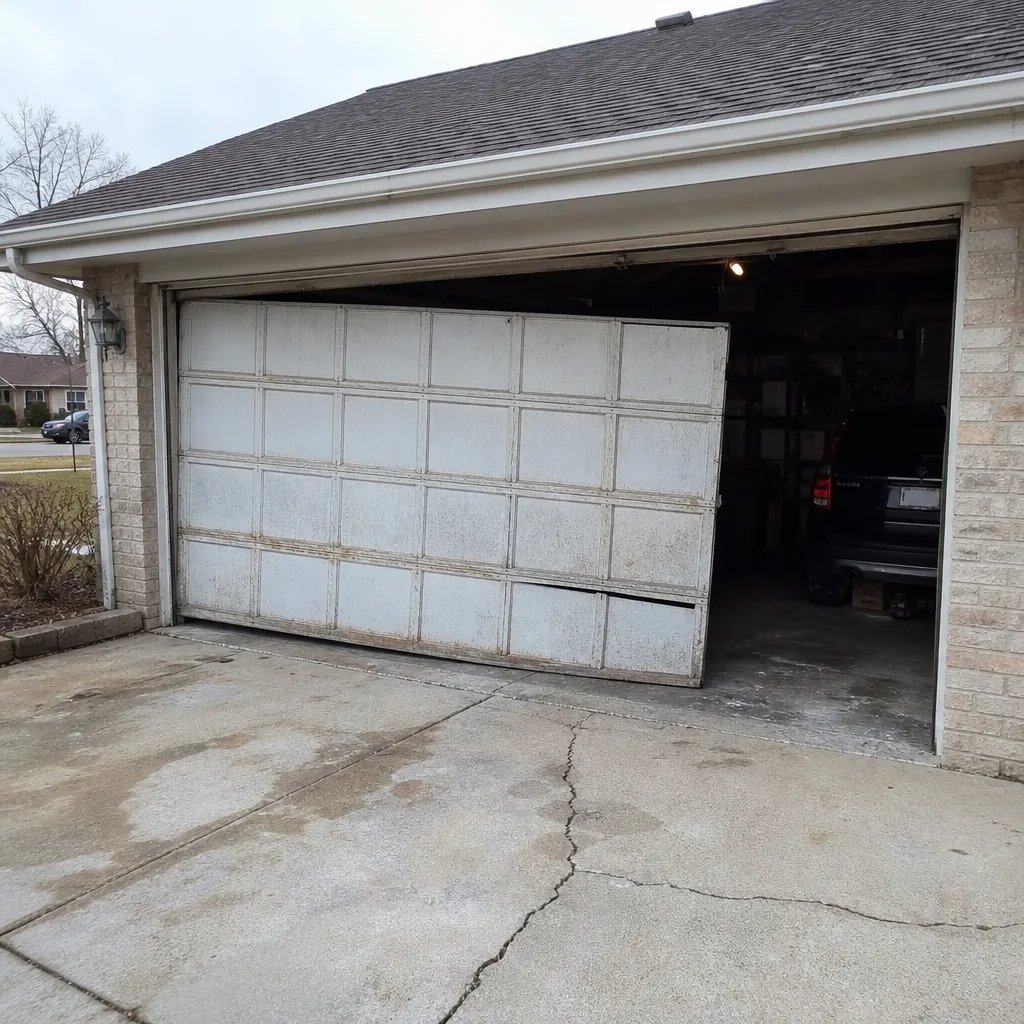 Before
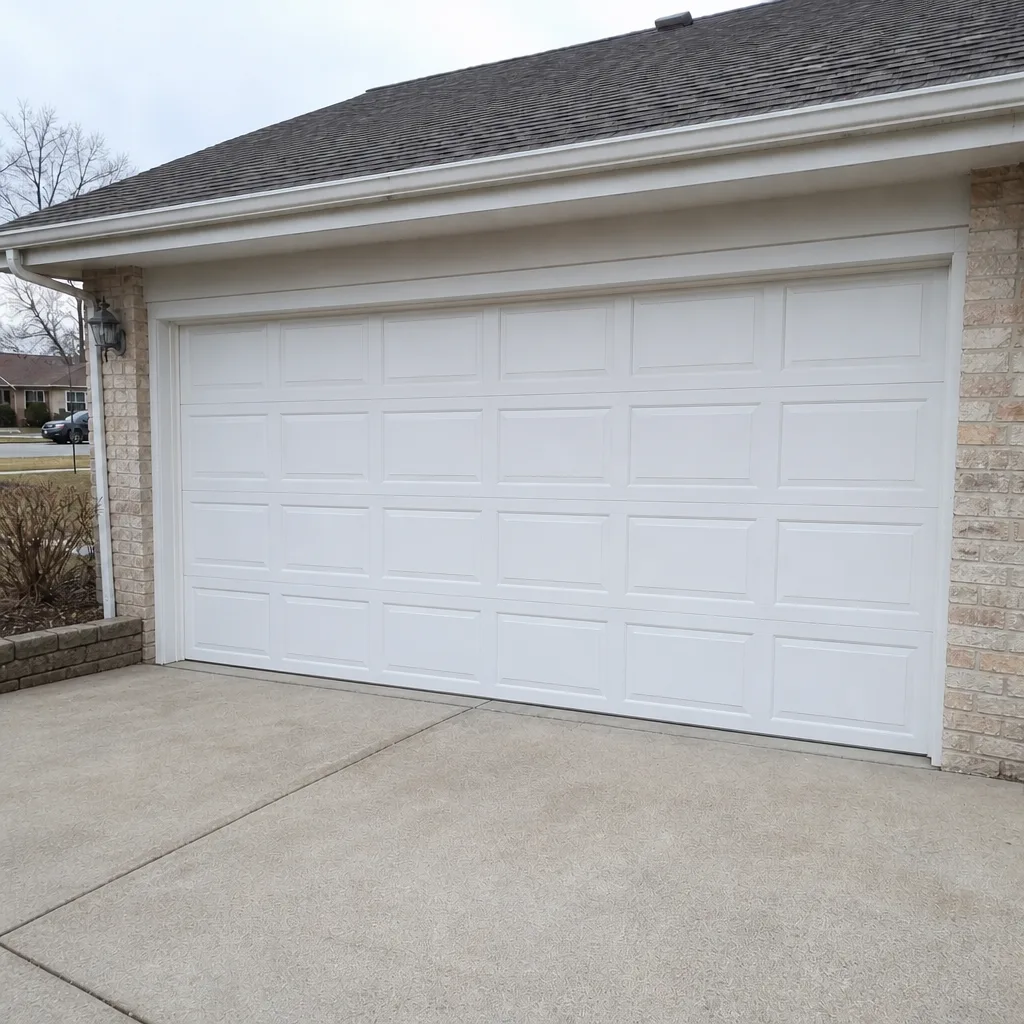 After
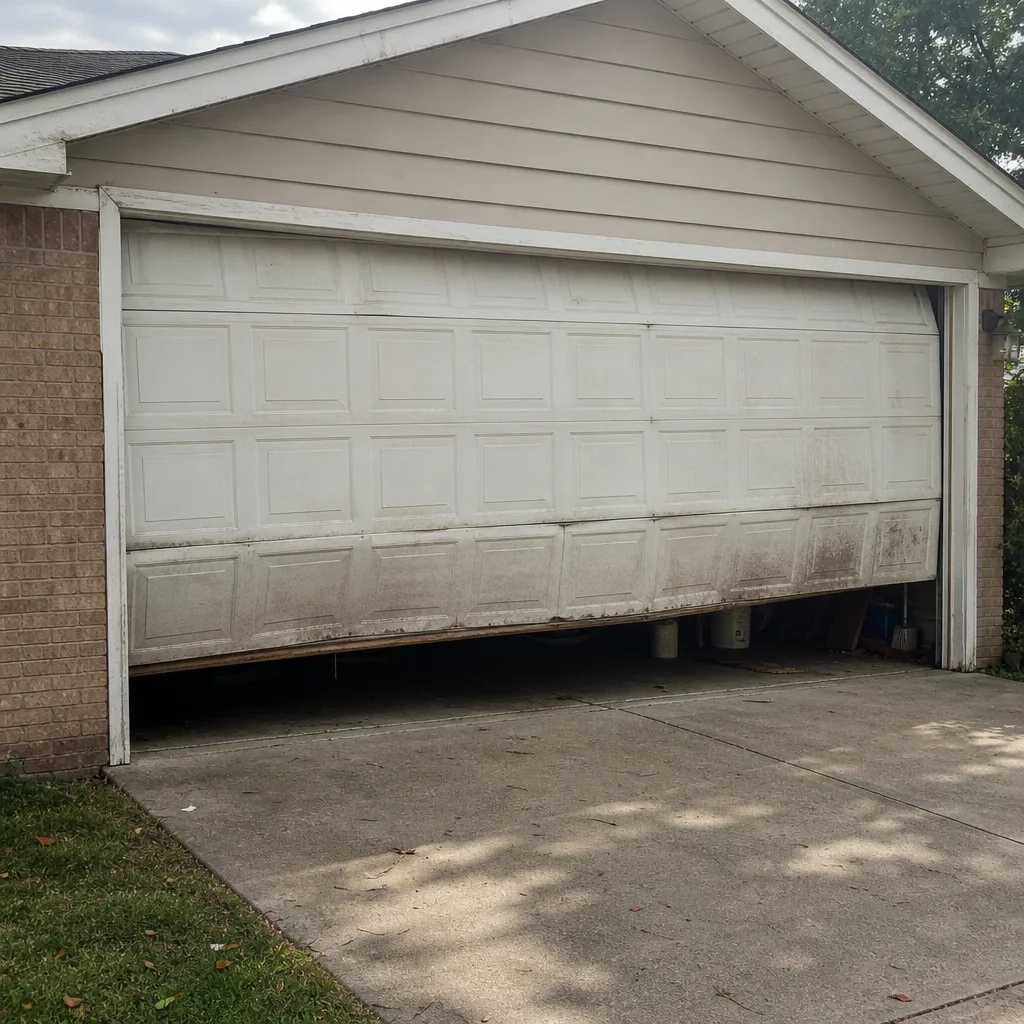 Before
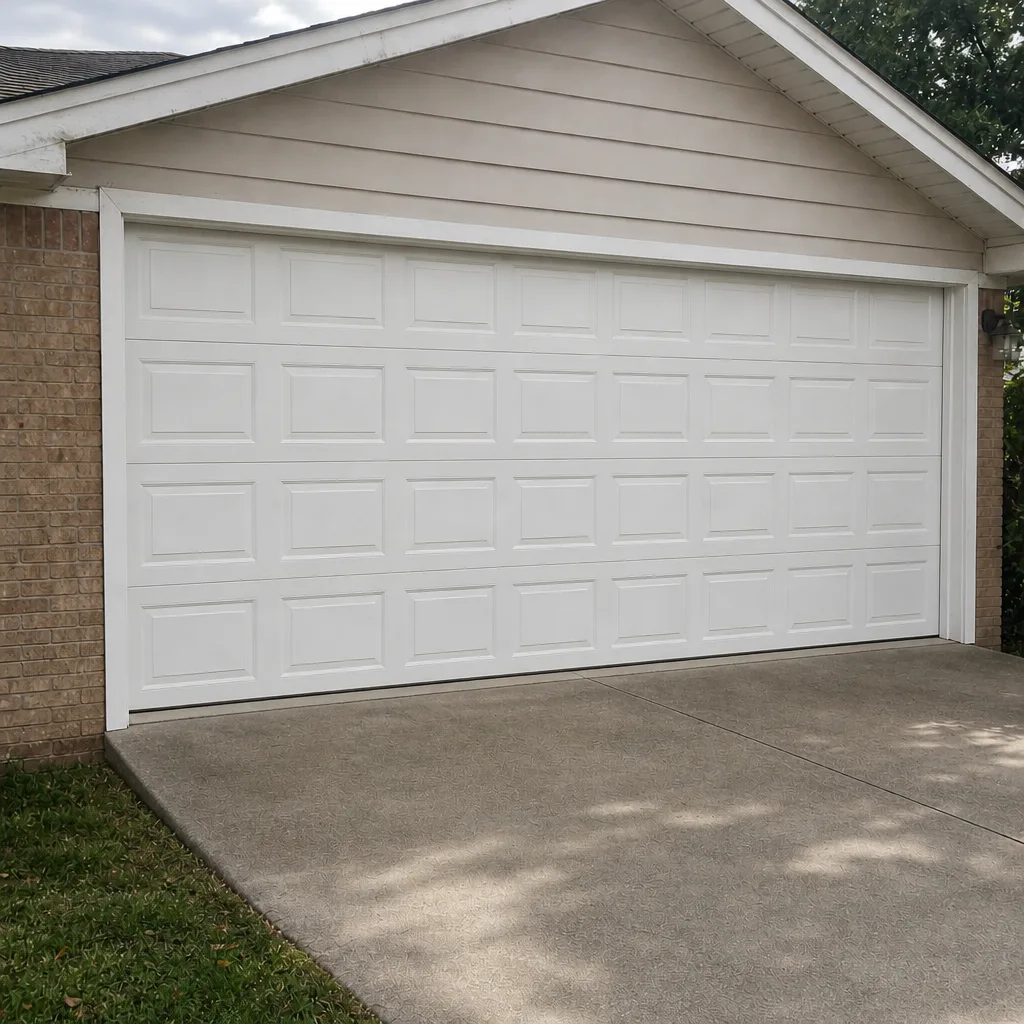 After
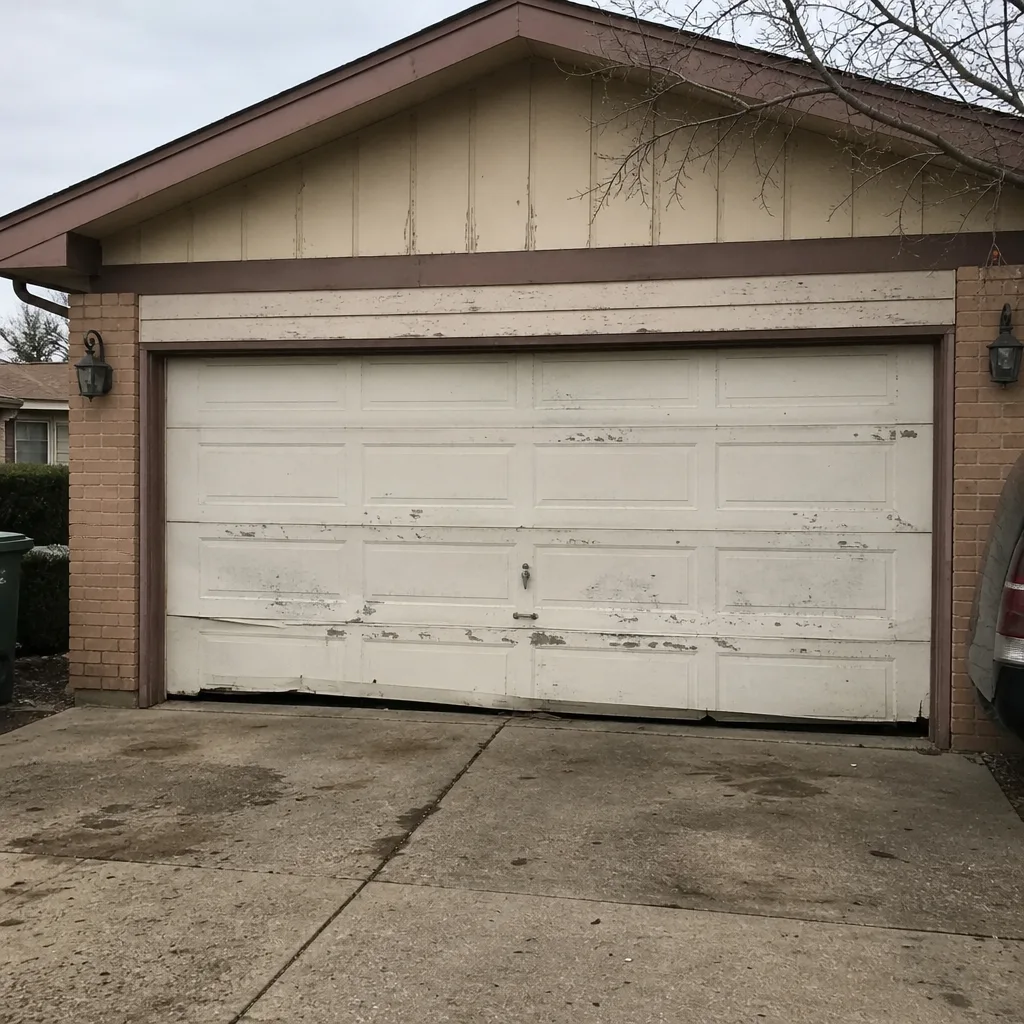 Before
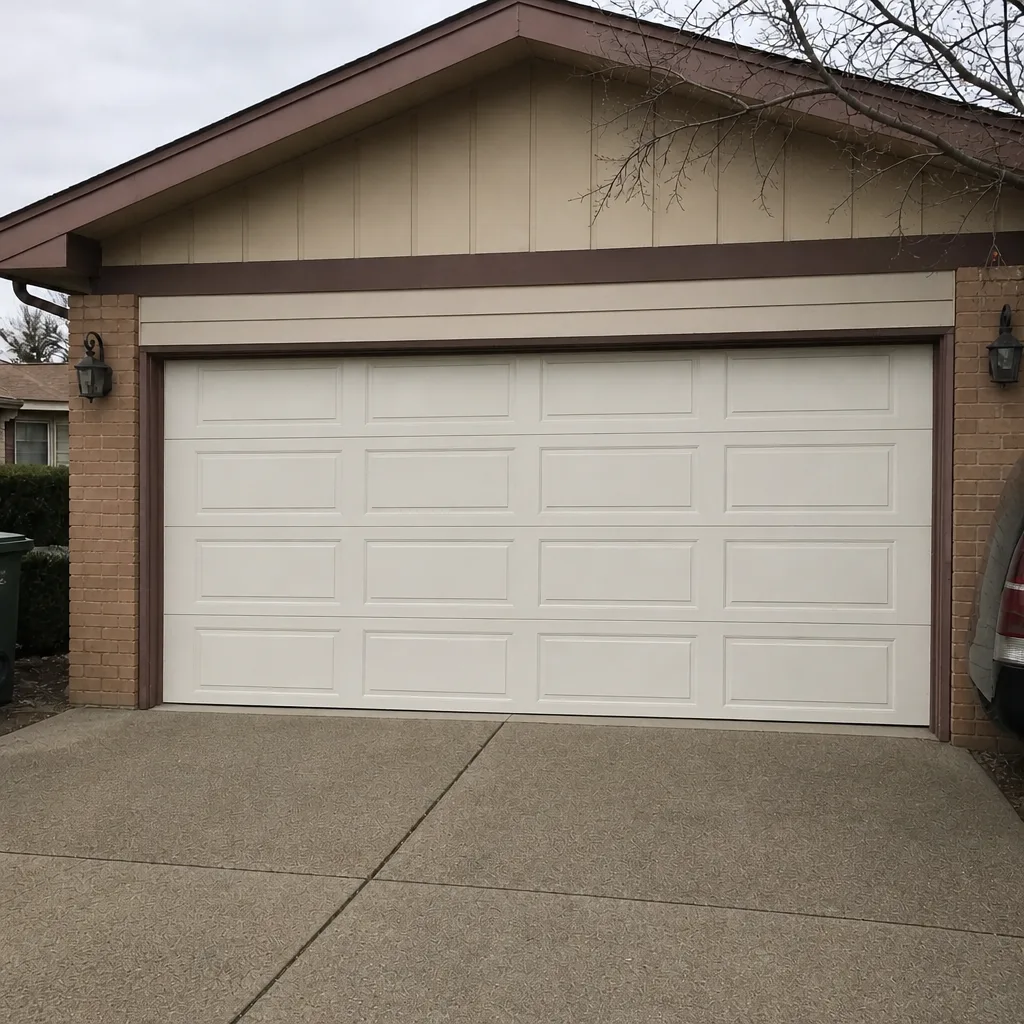 After
When to Call a Professional
Call a trained technician when a spring breaks or the door becomes hard to lift, when the opener reverses unpredictably or won’t reverse at all, when the door comes off track, or when you’re planning a door and opener change that touches the opening. Do not attempt to adjust torsion springs or force settings yourself – both involve real injury risk and getting them wrong quietly disables the safety features your family relies on. A permit question by itself usually doesn’t need a repair visit; a call to the Orland Park building department settles it. But if a pre-sale review finds something flagged on the door or opener side, that’s exactly the kind of job we handle. Garage Door Repair Orland Park offers free estimates in Orland Park – call (855) 658-4224.
Frequently Asked Questions
Usually not if it’s a same-size replacement on the existing opening, but any change to the opening width, header, or structural framing typically does require a permit. The determining factor isn’t the door itself – it’s what’s happening to the opening. Ask the Orland Park building department to confirm your specific project in writing. For an exact estimate on the door side of the work, call (855) 658-4224 – estimates are free.
A typical opener replacement with new entrapment protection runs about $350 to $900 depending on the model tier and whether the rail or wiring needs updating. A LiftMaster, Chamberlain, Genie or Craftsman swap is usually the same ballpark, and the written estimate you get before work is the number you pay. Call (855) 658-4224 for an exact quote – estimates are free.
Not directly – permit records live with the village, so the Orland Park building department is the place to check. What we can do is look at the door, opener and opening and tell you whether the work as installed meets entrapment protection, balance and safety-reversal expectations, which is usually what an inspector will look at. Call (855) 658-4224 to book that review.
No. The written estimate is the price. We quote and agree on the number before any work starts, and if something unexpected turns up on the job we stop and talk to you before doing anything that changes the quote. Call (855) 658-4224 for a free on-site estimate.
The local professional we connect you with is licensed and insured as their state requires, and our connection process is built around that baseline. Our technicians have up to 8 years of experience and are trained on LiftMaster, Chamberlain, Genie, Clopay, Amarr, Wayne Dalton, Craftsman and Raynor. Call (855) 658-4224 with any questions before you book.
They can, and when they do they’re often stricter than village code – especially on panel style, color, and window arrangement in the planned communities around town. Check with your association before you order the door, because once a door is built to a specific color it’s hard to exchange. For door-side advice on what fits, call (855) 658-4224 – estimates are free.
The Bottom Line
The permit question in Orland Park comes down to the opening, not the door. Same-size replacement usually doesn’t need one; a change to the width, header or framing almost always does, and that’s where the closing-time records gap gets created. A new or replaced opener must meet entrapment protection and balance expectations under Illinois-adopted code, and a trained specialist should handle spring work every time. Get the permit answer in writing, route HOA approval before you order the door, keep your documentation in the closing file, and plan a pre-sale review of the door and opener side. If you want that review or a door estimate, call (855) 658-4224 – estimates are free.
Written by the team at Garage Door Repair Orland Park.